
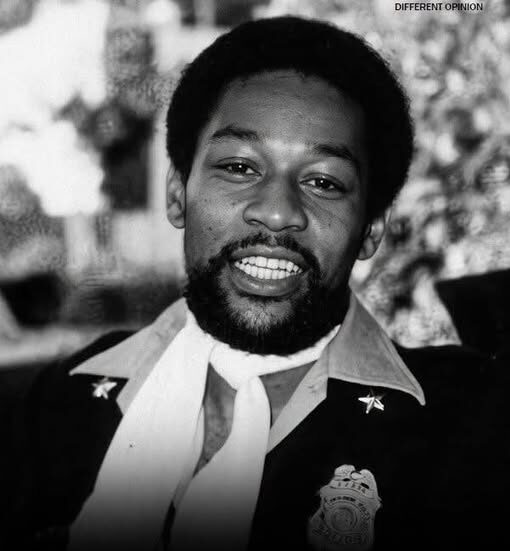
Victor Willis, Original Voice of the Village People and “Y.M.C.A.,” Dies at 74
The Singer and Songwriter Helped Turn Disco Anthems Into Global Celebrations
Victor Willis, the original lead singer and co-founder of the Village People, died on June 30, 2026, after what representatives described as a brief but aggressive illness. He was 74 and would have turned 75 the following day.
His death marks the loss of one of the most recognizable voices of the disco era.
Willis sang lead on enduring hits including “Y.M.C.A.,” “Macho Man,” and “In the Navy,” songs that moved far beyond the nightclubs of the late 1970s to become fixtures at weddings, sporting events, celebrations, parades, and public gatherings around the world.
Although the music was created decades ago, its ability to bring crowds together never disappeared.
The Man Behind the Village People’s Commanding Voice
Willis was not simply the face at the front of the group.
He served as its original lead singer, co-founder, and one of the principal creative forces behind its most famous recordings.
With his powerful voice, theatrical presence, and instantly recognizable costumes, he gave the Village People much of their musical identity.
He frequently appeared dressed as a police officer or naval officer, becoming one of the group’s most recognizable figures.
The costumes attracted attention, but Willis’s vocals and songwriting helped transform the novelty into something with lasting cultural power.
A Group Created During the Height of Disco
The Village People were formed in 1977 by Willis and producers Jacques Morali and Henri Belolo.
The group emerged during a period when disco music dominated clubs and increasingly influenced mainstream popular culture.
Its concept paired dance music with exaggerated masculine characters, including a police officer, construction worker, cowboy, Native American figure, biker, and military-themed performer.
The visual identities made the performers immediately memorable.
Willis’s commanding lead vocals ensured that the songs were equally difficult to forget.
“Macho Man” Introduced Their Larger-Than-Life Style
“Macho Man” became one of the group’s earliest major successes.
The song’s driving beat, repeated chorus, and theatrical celebration of strength captured the playful confidence that defined the Village People.
Willis delivered the lyrics with the intensity of a performer leading an entire room rather than simply singing into a microphone.
The track helped establish the group as more than a visually unusual disco act.
It demonstrated that their music could inspire large crowds to sing and move together.
“Y.M.C.A.” Became a Worldwide Phenomenon
No song became more closely associated with Willis and the Village People than “Y.M.C.A.”
Released during the height of the disco era, it became a global hit and eventually one of the most recognizable party songs ever recorded.
The accompanying arm movements, in which crowds form the letters of the title, helped the track develop a life far beyond its original release.
People who may know little about the Village People often recognize the chorus within seconds.
“Y.M.C.A.” has been played at weddings, school events, sports arenas, festivals, political gatherings, and countless celebrations.
The song was later selected for the Library of Congress National Recording Registry and entered the Grammy Hall of Fame, reflecting its lasting place in American popular culture.
A Song That Turned Strangers Into a Crowd
Part of the appeal of “Y.M.C.A.” lies in its simplicity.
The chorus requires no expert singing ability, and the familiar movements allow almost anyone to participate.
At a wedding reception or stadium, people who have never met can suddenly perform the same gestures together.
For a few minutes, differences in age, background, and musical taste seem less important.
Willis’s voice remains at the center of that shared experience.
Every time a crowd shouts the chorus, his performance leads the celebration again.
“In the Navy” Continued the Group’s Success
“In the Navy” became another major Village People anthem.
The song combined a memorable chorus with nautical imagery and the same energetic delivery that made the group’s earlier work successful.
Willis performed the number wearing a naval-style uniform, adding another character to his public image.
Like “Y.M.C.A.” and “Macho Man,” the song became larger than the era in which it was released.
Its chorus remained familiar even to listeners who had not experienced the original disco period.
Willis Helped Write the Group’s Defining Songs
Willis was more than an interpreter of material written by others.
He co-wrote the Village People’s most significant songs, including “Y.M.C.A.,” “Macho Man,” and “In the Navy.”
His contribution to the lyrics and musical identity of the group became an important part of his later efforts to secure greater ownership of the work.
The songs reflected humor, confidence, celebration, and an understanding of how to create simple phrases that large audiences could remember instantly.
His Early Life Included Gospel and Theater
Willis was born in Texas and raised in San Francisco.
Before disco made him internationally famous, he sang gospel music in church and developed experience in musical theater.
He appeared in stage productions including Hair and performed as the Tin Man in the Broadway production of The Wiz.
That theatrical background helped prepare him for the Village People’s combination of music, character, costume, and performance.
He understood how to project personality to a large audience and how to make a song feel like part of a larger show.
The Costumes Never Overshadowed the Voice
The Village People’s appearance was central to their popularity.
However, costumes alone could not have sustained their success.
Willis possessed the commanding voice necessary to make the group’s songs work as records rather than only visual performances.
His vocals carried authority, humor, and excitement.
He sounded as though he were issuing an invitation that listeners were expected to accept.
That quality helped the songs become participatory experiences.
The Music Found a Lasting Home in LGBTQ+ Culture
The Village People became strongly associated with gay culture and the LGBTQ+ community, particularly because of their imagery, disco roots, and the spaces in which their music first flourished.
Willis later offered his own interpretations of some lyrics and disputed certain assumptions about their meaning.
Whatever the intention behind individual lines, the songs became embraced as celebrations of freedom, community, identity, and collective joy.
The music’s cultural meaning expanded beyond the control of any one performer or songwriter.
The Group’s Success Was Brief but Enormous
The Village People reached their commercial peak during the late 1970s.
Disco was moving rapidly through clubs, radio stations, film, fashion, and popular television.
The group’s combination of catchy music and visual spectacle made it perfectly suited to that moment.
Its songs traveled internationally, turning the members into instantly recognizable figures.
Although disco’s mainstream dominance eventually declined, the group’s biggest recordings avoided disappearing with the trend.
Willis Left During a Difficult Period
Willis departed the Village People during the production of the 1980 musical film Can’t Stop the Music.
The film struggled commercially and arrived as public enthusiasm for disco was fading.
His separation from the group began a complicated period in his personal and professional life.
He later experienced depression, substance abuse problems, and legal difficulties before eventually rebuilding his life.
A Personal Life Marked by Struggle and Recovery
Willis’s career was not a simple story of uninterrupted fame.
After the height of the Village People’s success, he faced years of personal challenges.
His legal troubles became public, and his difficulties threatened to overshadow his earlier achievements.
Willis later said he had turned his life around by 2012.
His recovery allowed him to reclaim both his public identity and his connection to the music that had made him famous.
He Fought for Ownership of His Songs
One of the most significant later chapters of Willis’s career involved a legal battle over songwriting rights.
He sought to reclaim ownership interests in the Village People songs he helped create.
In 2015, he secured a significant copyright victory that recognized his 50 percent interest in important works associated with the group.
The outcome reinforced his status not only as the performer of the songs but also as one of their essential authors.
His Wife Helped Support His Return
Willis credited his second wife, Karen, with supporting him as he rebuilt his life and pursued control of his musical legacy.
The later years of his career included renewed public appearances, legal recognition, and a return to performing with the Village People.
His comeback allowed audiences to see the original voice once again leading the songs that had become part of global popular culture.
Willis Returned to the Village People
In 2017, Willis rejoined the Village People and resumed performing under the group’s name.
His return gave longtime fans an opportunity to hear the original singer perform the classic material again.
It also introduced his voice and stage presence to audiences too young to remember the group’s first era.
The reunion restored Willis to the center of a legacy he had helped create.
He Remained Active Near the End of His Life
Willis continued appearing publicly and performing into 2026.
In May, only weeks before his death, he performed in India with the Village People.
His continued activity made news of his death feel especially sudden to many fans.
The man whose music symbolized nonstop movement and celebration had still been standing onstage shortly before his final illness.
His Death Was Confirmed by the Group
The Village People confirmed Willis’s death through an official social-media announcement.
Reports stated that he died following a short but aggressive illness, although detailed medical information was not immediately released.
The announcement prompted tributes from fans, musicians, public figures, and people who associated the group’s songs with important moments in their own lives.
He Died One Day Before His 75th Birthday
Willis died on June 30, 2026, one day before he would have celebrated his 75th birthday.
The timing added another note of sadness to the announcement.
Instead of marking a milestone birthday, fans and loved ones found themselves reflecting on a life that shaped some of the most joyful music of the disco era.
Tributes Focused on Joy Rather Than Silence
Although death naturally brings mourning, tributes to Willis were filled with images of dancing crowds and celebrations.
His music does not easily lend itself to quiet remembrance.
It encourages people to clap, move, raise their arms, and join the chorus.
That energy became part of the way audiences honored him.
Playing “Y.M.C.A.” after his death was not simply revisiting an old recording.
It was allowing Willis’s voice to gather people together once more.
His Songs Became Part of Personal Memories
For many listeners, Village People songs are connected to specific moments.
They may remember hearing “Y.M.C.A.” at a childhood party, a wedding reception, a graduation celebration, or a packed sports arena.
Others associate the music with nightlife, Pride events, community gatherings, or family celebrations.
The recordings became attached to memories of people dancing together without worrying about appearing graceful or serious.
A Rare Form of Musical Universality
Few songs remain familiar across so many generations.
A child can learn the arm movements to “Y.M.C.A.” without knowing anything about disco history.
An older listener can hear the same chorus and remember the song’s original rise.
The track functions almost like a shared cultural language.
Willis’s voice connects those different experiences.
His Music Crossed Social Boundaries
The Village People’s biggest hits have been performed and enjoyed in settings that differ dramatically from one another.
The same song can appear at a Pride celebration, a family wedding, a professional sports game, a school dance, or a political rally.
People may disagree about almost everything else while still knowing exactly what to do when the chorus begins.
That ability to produce instant collective participation is an unusual musical achievement.
“Y.M.C.A.” Outlived the Disco Backlash
When disco’s popularity declined in the early 1980s, many recordings associated with the genre disappeared from mainstream attention.
“Y.M.C.A.” survived.
Its continued use transformed it from a hit of a particular period into an enduring celebration anthem.
New generations learned it through public events rather than through its original release.
The song’s longevity ensured that Willis remained present even during periods when he was not performing publicly.
The Voice Behind the Costumes
The Village People’s image sometimes made it easy to overlook the musicianship behind the spectacle.
Willis’s death encouraged renewed attention to his actual role.
He was not merely the man wearing the police uniform.
He was the lead vocalist whose delivery defined the recordings and a songwriter who helped construct their most memorable lines.
Without his contribution, the costumes might have remained a temporary novelty.
His Vocal Style Made the Songs Feel Like Commands
Willis did not sing his most famous choruses timidly.
He delivered them with the confidence of someone directing an entire crowd.
When he announced the title of a song, it felt like an instruction to participate.
This vocal authority suited the Village People’s exaggerated characters and large arrangements.
It also helped the songs succeed in stadiums and public spaces where a softer performance might have been lost.
He Helped Transform Camp Into Community
The costumes and masculine stereotypes were intentionally theatrical.
What could have remained simple camp became something more meaningful through the music’s communal energy.
People did not have to understand every reference or interpretation to participate.
They only needed to recognize the beat and join the movement.
Willis’s performance connected humor, confidence, and inclusion.
A Complicated Figure With an Undeniable Legacy
Willis’s life included extraordinary success, difficult personal periods, legal struggles, and public disagreements.
Like many influential artists, his biography cannot be reduced to a single triumphant narrative.
His flaws and challenges formed part of the story.
So did his recovery, return to performing, and determination to reclaim recognition for his songwriting.
The complexity of his life does not diminish the cultural reach of the music.
His Copyright Victory Changed How His Work Was Remembered
By fighting for ownership, Willis ensured that later accounts of the Village People could not easily reduce him to a replaceable frontman.
The legal victory drew attention to the authorship behind the familiar recordings.
It established that the singer leading the crowd had also played an important role in creating the songs themselves.
The Group’s Music Became Bigger Than Its Original Context
The late 1970s provided the conditions in which the Village People could first succeed.
Disco culture, theatrical performance, nightlife, and new forms of public expression all shaped the group.
Over time, however, the music escaped that original setting.
People who had never entered a disco club embraced the songs.
Their meaning continued changing as different audiences adopted them.
Every Generation Creates a New Memory With the Songs
The original listeners remember records, dance floors, and television appearances.
Later generations may remember school events, sports games, or viral videos.
Future listeners may encounter the music in settings that do not yet exist.
As long as people continue responding to the chorus, Willis’s performance remains active rather than trapped in the past.
A Stadium Can Become a Memorial
The next time “Y.M.C.A.” plays in a packed arena, many people may not consciously think about Victor Willis.
They will still respond to his voice.
Thousands of arms will rise together to form the familiar letters.
That moment of coordinated joy will function as an unplanned tribute to the man who helped create it.
Weddings Will Keep His Voice Alive
Wedding receptions are among the places where the Village People’s music found its most enduring home.
The songs invite guests of different ages onto the dance floor.
People who might avoid dancing to almost anything else often participate because the movements are familiar and the mood is playful.
Willis’s voice becomes part of celebrations for couples and families he never met.
His Music Was Designed to Be Shared
Some songs invite private listening.
The Village People’s biggest recordings seem incomplete until a crowd joins them.
The repeated phrases, bold rhythms, and physical gestures all encourage participation.
This makes Willis’s legacy inherently communal.
His music continues most fully whenever people experience it together.
The Silence After His Death Will Not Last
News of Willis’s death created a sudden silence for fans who associated him with constant energy.
However, that silence will be temporary.
The opening beat of “Y.M.C.A.” will play again.
Someone will recognize it, smile, and raise their arms.
Others will follow.
Within seconds, Willis’s voice will once again fill the room.
Remembering Victor Willis
Victor Willis was the original lead singer, co-founder, and principal creative voice behind some of the most enduring recordings in disco history.
He brought theatrical confidence to the Village People while helping write songs that became global cultural landmarks.
His career included success, struggle, recovery, legal vindication, and a return to the stage.
He died on June 30, 2026, at the age of 74, after a brief and aggressive illness.
His passing closes an important chapter in the history of popular music.
It does not end the story he created.
The Music Will Continue Leading the Dance
Victor Willis’s songs were built to survive through repetition.
Each new performance renews them.
Every wedding guest who moves toward the dance floor, every stadium crowd that rises together, and every child learning to form four letters with their arms becomes part of the legacy.
Willis may no longer stand beneath the lights in his police or naval uniform.
But his voice remains inside the recordings, as commanding and celebratory as it was when the songs first conquered the disco era.
In every chorus shouted imperfectly and every crowd moving as one, Victor Willis will still be leading the way.