
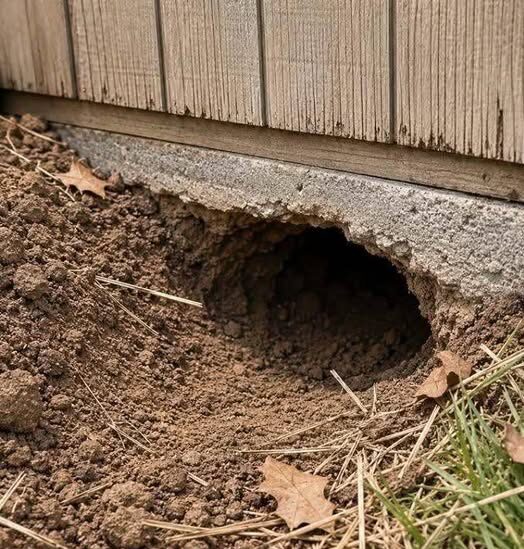
Mysterious Tunnel Beneath Garden Shed Raises Concerns About Foundation Damage
Unexpected Burrowing Beneath a Shed Can Become More Than a Curiosity
Discovering a mysterious tunnel underneath a garden shed can immediately raise questions about what may be living beneath the structure. While identifying the animal responsible is naturally interesting, the more important concern is what continued burrowing could do to the ground supporting the shed.
A tunnel beneath a structure with a concrete foundation should not simply be ignored. If the digging continues, soil beneath the slab may become disturbed, creating the possibility of weakening the support that keeps the foundation stable.
What initially looks like a small animal problem can therefore become a structural concern. Addressing the situation begins with determining what animal created the opening rather than immediately assuming that every burrow has the same cause.
Why a Tunnel Under a Concrete Foundation Matters
A garden shed depends on stable ground beneath its foundation. When an animal digs underneath the structure, it removes or shifts soil that would otherwise help support the concrete slab.
If the tunnel becomes larger or additional passages are created, more of the supporting ground can be disturbed. Over time, this may leave areas beneath the concrete with less support than they originally had.
The concern is not simply that an animal has chosen the shed as a shelter. The larger issue is the possibility that repeated digging could eventually contribute to costly structural problems.
For that reason, a burrow discovered beneath a shed deserves attention even if the structure appears normal from the outside.
Identifying the Animal Should Come First
Before deciding how to respond, it is important to determine what type of animal is responsible for the tunnel.
Several animals can create openings around sheds, and the appearance of the entrance can provide useful clues. Looking carefully at the size of the hole, the loose soil around it and any nearby signs of activity can help narrow down the possibilities.
Correct identification matters because a tunnel alone does not reveal everything about the animal using it. Different animals can create similar-looking openings when seeking shelter beneath a structure.
Rather than treating every burrow as though it came from the same species, examining the evidence around the entrance provides a more useful starting point.
Groundhogs Are a Common Possibility
Groundhogs are among the most common animals that may be responsible for a substantial tunnel underneath a garden shed.
The entrance to a groundhog burrow is typically around 6 to 12 inches wide. Loose dirt may also be visible near the opening, providing another indication that active digging has taken place.
A hole within this size range beneath or beside a shed can therefore make a groundhog one possible explanation.
The size of the opening should not be considered in isolation, however. Other signs around the area should also be examined before reaching a conclusion.
Loose Dirt Can Reveal Recent Digging
Fresh or loose soil around the entrance can offer an important clue about what has been happening beneath the shed.
When an animal excavates a tunnel, displaced soil may accumulate outside the opening. The presence of this material can make the burrow more noticeable and may suggest that digging has occurred around the structure.
Examining the dirt around the hole can also help distinguish an active-looking tunnel from an opening that may have existed for some time.
The important point is to observe the area carefully before taking further action. The entrance itself, surrounding soil and other signs of movement can all contribute to identifying the animal.
Groundhogs Are Not the Only Possible Culprits
Although groundhogs are a common possibility, they are not the only animals that may create a tunnel or den underneath a garden shed.
Skunks can also use spaces beneath structures, and raccoons may be associated with similar situations. Other burrowing animals can create openings that initially appear difficult to distinguish from one another.
This overlap is one reason identification should take place before assumptions are made.
A homeowner who sees a hole and immediately decides that a groundhog is responsible may overlook evidence pointing toward another animal.
Tracks and Activity Can Provide Additional Clues
Looking for tracks around the shed can help provide more information about the animal entering and leaving the tunnel.
Signs of activity near the opening may also be useful. The goal is to gather enough information from the immediate area to better understand what has been using the space.
The entrance should be considered as one part of a larger pattern. Hole size, loose soil, tracks and signs of repeated activity can all help build a clearer picture.
This careful observation can be especially useful when several animals are capable of creating similar tunnels.
The Location Beneath the Shed Is the Main Concern
A burrow elsewhere in a garden may attract attention, but a tunnel extending underneath a concrete shed foundation raises an additional problem.
The soil beneath the slab plays an important role in supporting the structure. When an animal begins removing or disturbing that soil, the effects are occurring directly beneath the foundation rather than in an open section of the yard.
This makes the location of the burrow particularly important.
Even when the visible entrance appears relatively small, the tunnel itself may extend beneath an area that cannot be seen from above.
Burrowing Can Gradually Weaken Supporting Ground
The main risk comes from continued disturbance beneath the concrete.
As soil is moved during burrowing, the ground supporting the slab may become less stable. If the problem is allowed to continue without being addressed, the possibility of foundation-related damage can increase.
The concern is therefore not limited to the animal’s presence. It also involves what repeated excavation could mean for the shed over time.
A structure that depends on a stable base can become vulnerable if sections of that base are repeatedly disturbed.
Ignoring the Tunnel Could Lead to More Expensive Problems
A mysterious hole may seem like a minor inconvenience when it is first discovered. However, allowing an animal to continue digging beneath a concrete slab can potentially turn the situation into a more complicated repair issue.
Structural repairs can become expensive, which makes early attention to burrowing important.
The objective is to recognize the problem before continued tunneling has an opportunity to further weaken the supporting soil.
Waiting until visible foundation problems appear could mean that the animal has already spent considerable time using or expanding the area underneath the shed.
Observation Can Help Clarify What Is Happening
A careful inspection around the shed can reveal details that may not be obvious during the first look at the tunnel.
The width of the entrance is one useful detail, particularly because a groundhog opening may measure roughly 6 to 12 inches across.
Loose soil around the hole is another clue. Tracks and other signs of activity may further indicate which animal has been moving through the area.
Taking these signs together provides a better basis for identifying the animal than relying on the tunnel’s presence alone.
Similar Tunnels Can Have Different Causes
One challenge with a burrow beneath a shed is that several animals can produce situations that look similar at first glance.
A groundhog may be responsible, but a skunk, raccoon or another burrowing animal may also be using the space.
The mystery cannot always be solved simply by looking at the fact that a hole exists.
Instead, attention to the surrounding evidence becomes important when determining what has taken shelter underneath the structure.
The Concrete Slab Makes the Situation More Serious
The presence of a concrete foundation changes the significance of the discovery.
A tunnel underneath the slab means that the animal is disturbing the area that helps support the weight of the shed.
As the animal continues digging, additional soil could be displaced. That can create concern about the long-term stability of the ground beneath the structure.
For this reason, curiosity about the animal should not overshadow the condition of the foundation.
A Small Opening May Point to a Larger Underground Space
Only the entrance of the tunnel is normally visible from the surface.
The extent of the digging beneath the shed cannot necessarily be understood just by looking at the opening.
This makes it important to take the discovery seriously even when the entrance does not initially appear dramatic.
The visible hole is evidence that an animal has been able to reach the area beneath the structure, and continued activity could lead to further disturbance of the soil.
Early Identification Helps Define the Problem
The first practical objective is not simply to close a mysterious opening without understanding what created it.
Determining whether the animal is likely to be a groundhog, skunk, raccoon or another burrowing species provides a clearer understanding of the situation.
The size of the entrance can help, especially when it falls within the 6-to-12-inch range commonly associated with groundhog burrows.
Loose dirt, tracks and nearby activity can add more information and help confirm whether that initial possibility fits the evidence.
The Problem Involves Both Wildlife and the Structure
A tunnel under a garden shed presents two connected issues.
The first is determining which animal has chosen the area beneath the shed. The second is protecting the supporting ground from additional disturbance.
Focusing on only one of those concerns can leave the other unresolved.
Identifying the animal helps explain the burrowing, while recognizing the potential effect on the foundation keeps attention on the condition of the shed itself.
Regular Checks Can Reveal Continued Activity
Once a tunnel has been discovered, the surrounding area can provide signs of whether digging is continuing.
Loose soil near the entrance and other visible activity around the opening may indicate that the space is still being used.
Tracks can also help show that an animal continues to move between the tunnel and the surrounding property.
These observations can contribute to understanding both the animal involved and the extent to which the burrow remains active.
What Begins as a Mystery Can Become a Foundation Concern
Finding an unexplained tunnel beneath a garden shed may initially feel like an intriguing wildlife mystery.
However, the more important issue is the effect continued burrowing could have on the concrete foundation above it.
Groundhogs are a common possibility and often create openings around 6 to 12 inches wide with loose dirt nearby. Skunks, raccoons and other burrowing animals may also create similar spaces beneath structures.
Because several animals can be responsible, careful identification should be the first step in understanding what is happening.
Protecting the Shed Starts With Understanding the Burrow
A garden shed is most secure when the ground beneath its concrete slab remains stable and properly supported.
When an animal begins tunneling underneath that foundation, the disturbed soil can create a risk that grows if the activity continues.
Examining the hole’s size, looking for displaced dirt and checking for tracks or other evidence can help determine what animal is responsible.
Recognizing the problem early also keeps attention focused on the potential structural consequences before they become more serious.
The tunnel may have started as an unexpected discovery, but it should not be dismissed as harmless curiosity. Understanding which animal created it and recognizing the possible impact on the supporting ground are essential parts of dealing with a burrow beneath a concrete garden shed.