
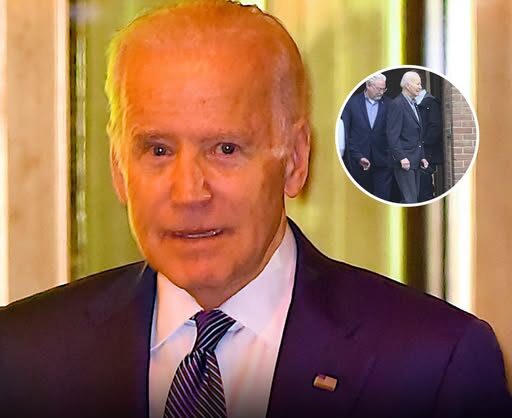
Hunter Biden Gives Emotional Update on Joe Biden’s Cancer Battle as Disease Spreads Further
The Former President’s Son Says His Father Is Enduring Significant Pain While Continuing to Remain Publicly Engaged
Hunter Biden has offered one of the most personal updates yet about former President Joe Biden’s battle with prostate cancer, describing an illness that has become both painful and debilitating even as his father continues making public appearances.
During a recent BBC interview, Hunter said the cancer had spread into his father’s bones and “further,” describing the progression as difficult for the family to witness. Joe Biden, now 83, first publicly disclosed his diagnosis in May 2025.
The former president’s composed appearances have offered only a limited view of what his family says is happening privately.
For Hunter, the most difficult part appears to be watching a father known for pushing through personal and political hardship face an illness he does not readily complain about.
Hunter Biden Described the Illness as Painful and Debilitating
Hunter became emotional while discussing his father’s condition.
“The cancer has spread, metastasized into his bones and further,” he said. “It’s very painful and it’s very debilitating in many respects.”
Those comments provided a more sobering picture than the public generally sees when the former president attends events or speaks about national issues.
Hunter also emphasized that his father remains active despite what he is experiencing physically.
“But he’s still out there. He’s still doing his thing.”
That contrast between private illness and public determination has become one of the defining elements of Biden’s life after leaving the White House.
Biden’s Cancer Diagnosis Was Announced in May 2025
Joe Biden’s office announced on May 18, 2025, that he had been diagnosed with an aggressive form of prostate cancer.
The diagnosis followed increasing urinary symptoms and the discovery of a prostate nodule. Testing found prostate cancer with a Gleason score of 9, Grade Group 5, with cancer already having spread to the bone.
A Gleason score of 9 indicates a highly aggressive cancer.
The discovery that the disease had already metastasized made the diagnosis substantially more serious than prostate cancer confined to the prostate.
At the time, the family began reviewing treatment options with physicians.
The Diagnosis Came After Biden Had Left the White House
Biden completed his presidential term in January 2025.
His cancer diagnosis was publicly announced several months later, raising questions about how such an advanced disease had gone undetected during his presidency.
There is no verified basis for claiming that Biden or his doctors knowingly concealed a prostate cancer diagnosis while he was president.
His diagnosis followed urinary symptoms and subsequent testing in 2025. Medical experts noted after the announcement that routine prostate cancer screening is not universally recommended for men in Biden’s age group, while aggressive cancers can sometimes remain undetected until they have already advanced.
Jill Biden Had Noticed Troubling Nighttime Symptoms
Former first lady Jill Biden has since revealed that her husband experienced frequent nighttime urination before the eventual diagnosis.
In an August 2026 interview, she recalled him getting up as many as seven times during the night while they were still living in the White House.
She said the problem concerned her and later persisted after they left Washington, contributing to the decision to seek further medical evaluation.
Looking back after learning that the cancer had already spread, those symptoms understandably took on new significance for the family.
Jill has also said she believes the Bidens received excellent medical care in the White House while acknowledging that the cancer nevertheless went undetected.
His Treatment Has Continued Since the Diagnosis
Biden’s cancer has required ongoing treatment rather than a single procedure.
He underwent hormone therapy and later completed a course of radiation treatment in October 2025.
Jill Biden has described the disease as something her husband will have to live with and manage over time because it has reached Stage 4 and spread to his bones.
She has said his health is monitored regularly and that treatment remains part of their daily lives.
Metastatic prostate cancer can often be treated for extended periods, but the response to therapy and course of disease vary substantially among individual patients.
Hunter’s Account Shows the Emotional Side of the Illness
Medical information describes the cancer in clinical terms: metastasis, treatment, monitoring and progression.
Hunter Biden’s comments described something different.
He spoke as a son watching his father experience significant pain.
The illness is not simply a diagnosis appearing in medical documents or political news coverage for the Biden family.
It is something they are seeing up close.
Hunter’s description suggested particular frustration with his father’s tendency to endure discomfort without dwelling publicly on what he is going through.
That stoicism has been part of Biden’s public identity throughout a life marked by repeated personal tragedies and political setbacks.
Joe Biden Continues Appearing in Public
Despite his illness, Biden has not completely withdrawn from public life.
He has continued speaking publicly and participating in events, even as his family acknowledges the seriousness of his condition.
That continued visibility can make it difficult for people outside the family to appreciate the physical reality Hunter described.
A person can appear composed for an event while still experiencing significant pain and fatigue away from cameras.
Hunter’s interview therefore offered a rare glimpse behind those public appearances.
The Former President Remains Focused on Public Issues
Hunter described his father as continuing to care deeply about the country and the political issues that shaped most of his adult life.
Joe Biden spent decades in public office, serving in the Senate, as vice president and ultimately as the 46th president of the United States.
Leaving office did not immediately end that interest in public affairs.
Even during cancer treatment, he has continued speaking at events and engaging publicly.
For his family, however, the determination to continue can carry an emotional cost when they also see the physical toll of his illness.
The Family Has Been Living With Cancer for More Than a Year
Cancer is not unfamiliar territory for the Biden family.
Joe Biden’s eldest son, Beau Biden, died from brain cancer in 2015.
That loss became one of the defining personal tragedies of Biden’s life and influenced his continued involvement in cancer-related initiatives.
Now the family is confronting serious cancer from a different position, with Joe Biden himself as the patient.
For Hunter and Jill, that means navigating treatment decisions, uncertainty and the emotional difficulty of watching someone they love experience pain.
Jill Biden Has Spoken About the Daily Reality of His Condition
Jill has described caring for her husband as an ongoing process rather than something that can be separated neatly from the rest of their lives.
She has spoken publicly about regular testing, medication and the adjustment required when an advanced cancer diagnosis becomes part of the family’s routine.
Her comments have also shown how hindsight can complicate a diagnosis.
Symptoms that once seemed manageable or potentially explained by age can appear much more alarming after doctors discover metastatic disease.
That does not necessarily mean the cancer could have been easily identified earlier, but it can leave family members wondering whether clues were missed.
Hunter’s Update Suggests the Disease Has Progressed
The most significant new element in Hunter’s interview was his statement that the cancer has spread into Biden’s bones “and further.”
He did not publicly provide detailed medical information identifying every additional location of the disease.
For that reason, claims about exactly where else the cancer has spread would go beyond what has been confirmed.
What Hunter did make unmistakably clear was that his father is dealing with a serious and physically difficult illness.
The Public Image and Private Reality Can Look Very Different
Former presidents remain public figures long after leaving office.
Photographs, speeches and appearances can create an impression of continuity even when life behind the scenes has changed dramatically.
Hunter’s remarks challenged that impression.
His father may still appear before audiences and speak about the issues he cares about, but those moments now take place against the background of advanced cancer treatment and pain.
That is the reality the family sees when the cameras are gone.
A Son Is Watching His Father Confront Another Difficult Chapter
Hunter Biden’s comments were striking because they moved the story away from speculation about presidential politics and toward something much more personal.
He was describing the experience of seeing a parent become seriously ill.
Political families may live much of their lives in public, but illness eventually strips away much of that distinction.
The questions become familiar ones faced by families everywhere: How much pain is he experiencing? Is the treatment working? How much energy does he have today? What comes next?
There are no political answers to those questions.
Biden’s Determination Remains Visible
Even Hunter’s difficult description included admiration for his father’s refusal to retreat completely from the life he has always known.
Biden continues to engage publicly rather than allowing cancer to become his only identity.
That determination does not change the seriousness of the diagnosis.
Nor does it mean every day is easy.
Hunter’s account makes clear that some days are anything but easy.
The Latest Update Is Both Medical and Deeply Personal
Joe Biden’s prostate cancer was already known to be aggressive and metastatic when his diagnosis was announced in May 2025.
What has changed is the increasingly candid way his family is describing its impact.
Jill has spoken about the symptoms that preceded the diagnosis and the realities of managing Stage 4 disease.
Now Hunter has described a father experiencing substantial pain as the cancer has spread further.
For Americans accustomed to seeing Biden through decades of campaign appearances, speeches, debates and presidential ceremonies, the picture is very different now.
Behind those public moments is an 83-year-old man living with advanced cancer and a family confronting the uncertainty that comes with it.
Hunter’s account does not offer an easy conclusion.
It offers something more intimate: a son watching his father hurt, wishing he would acknowledge the burden more openly, while recognizing that the same determination that carried Joe Biden through decades of public life remains visible even now.