
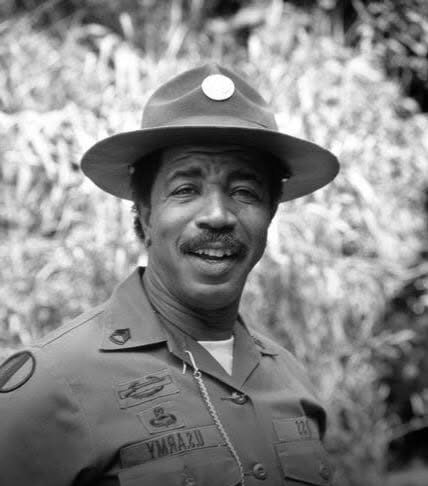
Veteran Actor Hal Williams Dies After More Than Five Decades in Television and Film
A Familiar Face From Classic American Television
Veteran actor Hal Williams, remembered by generations of television viewers for his memorable performances in 227, Private Benjamin, Sanford and Son, and other popular productions, has passed away.
Williams leaves behind an extensive body of work that stretched across more than five decades in American television and film. During that time, he became known as a dependable and versatile performer capable of moving naturally between comedy and more dramatic roles.
His warm screen presence, distinctive personality, and sharp comedic timing helped make him a recognizable figure during several important eras of television.
For many viewers, Williams will be remembered most clearly as Lester Jenkins, the hardworking husband and family man he portrayed on the popular NBC sitcom 227.
A Career That Began Taking Shape in the 1970s
Williams began establishing himself in Hollywood during the 1970s, a period that introduced him to television audiences through appearances on a number of successful series.
Among the shows that helped build his early career were Sanford and Son and The Waltons. These appearances allowed Williams to demonstrate the range that would later become one of the defining features of his professional life.
Rather than being identified with only one type of character, Williams developed a reputation for adapting to different stories, casts, and television formats.
His early years in the industry provided the foundation for a career that would continue for decades and eventually include some of his most recognizable performances.
Building Recognition Through Television Roles
Television became an important part of Williams’ career as he continued appearing in productions throughout the 1970s and beyond.
His work on established programs gave viewers repeated opportunities to become familiar with his face and acting style.
Williams brought a grounded quality to his characters that helped them feel believable, whether he was working within a comedy or a more serious storyline.
That ability to fit naturally into different television worlds helped him maintain a lasting presence in an industry where careers can often be brief.
As new opportunities arrived, Williams continued expanding his list of credits and strengthening his standing as an experienced character actor.
His Memorable Work on Sanford and Son
Sanford and Son was among the hit television programs on which Williams appeared during the earlier phase of his Hollywood career.
The series was already known for its strong personalities and distinctive comedy, making appearances on the program valuable opportunities for performers working to establish themselves with television audiences.
Williams’ involvement became part of the long list of roles that helped introduce his talent to viewers before he eventually secured larger and more enduring parts.
His work during this period demonstrated that he could comfortably perform within established casts while still bringing an individual presence to the screen.
Appearances on The Waltons Showed His Range
Williams also appeared on The Waltons, adding another well-known television production to his growing career.
The appearance reflected the versatility that would become increasingly clear as his professional life continued.
Moving between different programs required an actor to adjust to varying tones and styles, and Williams built a career by repeatedly demonstrating that flexibility.
His ability to work across different types of television helped distinguish him from performers whose careers remained tied to a single genre.
Private Benjamin Became Another Important Credit
Williams later became closely associated with Private Benjamin, another role that contributed to his lasting visibility in American entertainment.
His work in the production added to a career that was increasingly defined by recognizable television characters and consistent performances.
By this stage, Williams had already spent years developing his craft and building professional experience.
Private Benjamin became one of the titles frequently connected with his name and another example of the wide range of projects that shaped his career.
Lester Jenkins Became One of His Defining Characters
Williams reached one of the most recognizable stages of his career during the 1980s when he joined the NBC sitcom 227.
He played Lester Jenkins, the hardworking and charismatic husband opposite Marla Gibbs.
The character became one of Williams’ most enduring roles and introduced him to a broad television audience that followed the lives and relationships at the center of the sitcom.
Williams gave Lester a combination of humor, warmth, and everyday relatability that helped make the character memorable.
Rather than relying only on broad comedy, his performance brought a sense of authenticity to the family dynamic that was central to the program.
Working Opposite Marla Gibbs on 227
The on-screen partnership between Williams and Marla Gibbs became an important element of 227.
Williams’ portrayal of Lester Jenkins provided a strong counterpart to Gibbs, helping establish the household relationships that formed a major part of the sitcom’s appeal.
His ability to balance comedy with the responsibilities of portraying a believable husband and family man gave the character additional depth.
For viewers who watched the series during its original run, Lester Jenkins became a familiar television presence and one of the roles most closely connected with Williams throughout the remainder of his career.
The character also highlighted Williams’ strength as an ensemble performer who could support the larger cast while still creating memorable moments of his own.
A Natural Talent for Comedy
One of the qualities repeatedly associated with Williams was his comedic timing.
Comedy depends heavily on pacing, reactions, and the ability to make even an ordinary exchange feel entertaining. Williams developed a style that allowed humor to emerge naturally from his characters rather than feeling forced.
That skill proved especially valuable in sitcoms, where performers must maintain consistency while working within fast-moving scenes and recurring character relationships.
Williams could deliver humorous moments while still maintaining the grounded personality of the person he was portraying.
This combination helped audiences connect with his characters as people rather than simply as sources of jokes.
Warmth Became a Hallmark of His Screen Presence
Williams was also celebrated for the warmth he brought to his performances.
Even when playing characters surrounded by comedic situations, he frequently conveyed sincerity and humanity.
That quality became particularly important in family-centered television, where viewers often develop long-term connections with characters they watch regularly.
Williams had the ability to make supporting and ensemble roles feel substantial through subtle expressions, reactions, and interactions with other performers.
His approachable screen presence became one of the reasons his work remained memorable long after many of the programs first aired.
Versatility Helped Sustain a Long Career
Williams’ career ultimately lasted for more than five decades, an accomplishment that reflected both persistence and professional versatility.
Entertainment changed considerably during the years he worked, but Williams continued finding roles across television and film.
His ability to adjust to different productions allowed him to remain active while styles, audiences, and television formats evolved around him.
A career of that length requires more than a single successful character. Williams built his legacy through repeated performances across numerous stages of American entertainment.
His most famous roles may have introduced him to large audiences, but the longevity of his career came from his ability to contribute effectively to many different projects.
More Than One Generation Knew His Work
Because Williams remained part of the entertainment world for so many years, his work reached multiple generations of viewers.
Some audiences first encountered him through his television appearances in the 1970s.
Others knew him from Private Benjamin or remembered him primarily as Lester Jenkins on 227 during the 1980s.
Later viewers discovered his performances through the continuing popularity of classic television and the enduring recognition of programs from earlier decades.
This broad reach helped give Williams a legacy extending far beyond the original broadcasts of his best-known work.
A Performer Valued by Colleagues and Fans
Throughout his career, Williams was respected not only for the number of roles he accumulated but also for the qualities he brought to his work.
Colleagues and audiences celebrated his warmth, comedic skill, and ability to handle a wide variety of characters.
His professionalism allowed him to become part of productions that remained culturally familiar long after their original television runs.
For fans, his characters could feel like familiar faces returning to the screen. For fellow performers, his long career represented the value of consistency and adaptability.
Tributes Honor His Contribution to Television
Following news of Williams’ passing, tributes began honoring his long-standing contribution to American entertainment.
The response reflects the affection surrounding a performer whose work remained recognizable across decades.
Williams belonged to a generation of actors who helped shape television through recurring roles, ensemble performances, guest appearances, and characters that audiences welcomed into their homes week after week.
His career touched several successful television productions, but 227 remained especially important because of the lasting connection viewers formed with Lester Jenkins.
The Lasting Appeal of Lester Jenkins
Lester Jenkins represented the type of role that can become inseparable from the actor who plays it.
Williams brought humor and personality to the character while also portraying him as a hardworking husband whose family relationships mattered.
The combination gave viewers a character who could participate in the comedy surrounding him without losing his sense of authenticity.
Years after the sitcom’s original era, Lester remains one of the first characters mentioned when Williams’ career is remembered.
That lasting recognition demonstrates the impact a television role can have when the performer gives it a distinctive personality.
Five Decades of Work Across Entertainment
Williams’ professional journey stretched from his early Hollywood appearances in the 1970s through more than five decades of acting.
During that period, he worked in an entertainment industry that continually transformed around him.
His career included classic television programs, comedy, dramatic material, and film work, creating a body of performances that reflected considerable range.
While individual shows eventually ended, Williams continued building on the experience gained through each stage of his career.
The result was a professional legacy defined not simply by fame but by durability.
Hal Williams Leaves an Enduring Television Legacy
The passing of Hal Williams marks the loss of a veteran performer whose work became part of more than five decades of American television and film history.
From his appearances on Sanford and Son and The Waltons to his work in Private Benjamin, Williams continually demonstrated the versatility that allowed his career to endure.
His portrayal of Lester Jenkins on 227 ultimately became one of his most celebrated achievements, giving audiences a warm, humorous, and memorable character opposite Marla Gibbs.
Across his many years in entertainment, Williams earned appreciation for his comedic timing, approachable screen presence, and ability to bring credibility to a wide range of performances.
His roles connected with audiences during several different eras, ensuring that his work would be remembered by viewers who encountered him at different points in his long career.
As tributes continue from the entertainment community and longtime fans, Williams leaves behind a legacy built through dedication, versatility, humor, and a body of work that became part of classic American television.