
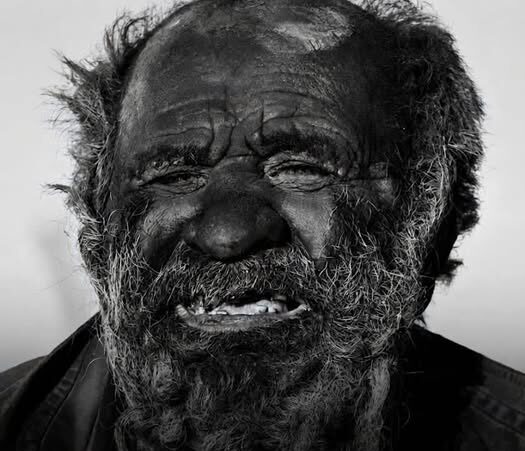
Amou Haji, Known as the “world’s dirtiest man,” Died at 94 After Decades Without Bathing
An Extraordinary Life Defined by an Unusual Fear of Bathing
Amou Haji became internationally known for an extraordinary lifestyle that included avoiding soap and water for more than six decades. The Iranian man gained widespread attention because he believed that bathing could make him sick.
His decision was not described simply as a dislike of washing. It was connected to his belief that becoming clean could negatively affect his health, a conviction that shaped much of his daily life for many years.
Despite living under highly unusual conditions and staying away from regular bathing for decades, Haji lived to the age of 94. His longevity became one of the most striking aspects of a story already defined by habits that were far removed from ordinary routines.
His life attracted attention because it challenged many assumptions about personal hygiene, comfort, and everyday living. For Haji, however, avoiding bathing had become a deeply established part of the way he lived.
More Than 60 Years Without Soap and Water
Haji reportedly went for more than 60 years without taking a conventional bath. During that extraordinary period, soap and water were largely absent from his personal hygiene routine.
The reason was rooted in his belief that bathing could cause illness. Rather than seeing washing as something beneficial, he viewed it as a possible threat to his well-being.
That belief remained powerful enough to influence his behavior for most of his adult life. As years turned into decades, his refusal to bathe became one of the defining features associated with him.
Such a long period without washing eventually made his lifestyle widely known. The unusual nature of his routine led to the nickname that followed him in stories about his life: the “world’s dirtiest man.”
The label focused primarily on his avoidance of bathing, but Haji’s broader way of living was also highly unconventional. His daily existence was characterized by isolation, simplicity, and habits that were very different from those practiced by most people.
A Highly Isolated and Simple Way of Life
Haji lived a highly isolated life. Instead of following a conventional lifestyle centered around modern comforts and regular social routines, he spent much of his time in conditions that reflected his unusual personal choices.
He slept in a simple shelter and reportedly consumed unusual foods. These habits became part of the wider public fascination surrounding him, particularly when combined with his decades-long avoidance of bathing.
His lifestyle was remarkable not because of one isolated behavior but because several unusual habits existed together for a very long period. His approach to hygiene, food, shelter, and isolation all contributed to the public image that eventually made him famous.
Even with those extraordinary living conditions, Haji continued his routines into old age. He ultimately reached 94, an age that drew additional interest because of how dramatically his daily life differed from widely accepted ideas about personal care.
For many years, the routine remained largely unchanged. His refusal to wash was not a short experiment or temporary decision but a pattern that continued across generations.
Villagers Eventually Persuaded Him to Bathe
A major change came in 2022 when villagers persuaded Haji to take a bath. It was an extraordinary moment because he had reportedly avoided washing with soap and water for more than six decades.
After such a long period of resistance, the bath represented a dramatic departure from one of the strongest habits of his life. The event attracted particular attention because his fear of bathing had been central to his lifestyle for so many years.
The change also stood out because it occurred very late in his life. By that point, Haji was already an elderly man who had maintained his unusual routines for decades.
For those familiar with his story, the fact that he finally agreed to wash was significant on its own. His refusal to bathe had become so closely associated with him that the decision marked a rare break from the life he had chosen.
There was no immediate basis in the information surrounding his story to establish that the bath harmed him. However, events that occurred afterward would lead some people to connect the two moments despite the absence of evidence proving such a relationship.
Haji Died on October 23, 2022
Several months after taking the bath, Haji died on October 23, 2022. He was 94 years old.
Because his death occurred after villagers had persuaded him to wash for the first time in decades, the timing quickly became one of the most discussed elements of his story.
The sequence of events appeared striking: a man avoids bathing for more than 60 years, finally takes a bath, and then dies months afterward. That sequence was enough to generate claims suggesting that the bath itself might have contributed to his death.
However, timing alone does not establish a direct connection. There is no evidence that bathing was responsible for Haji’s death.
His death occurred at an advanced age after a lifetime marked by highly unusual living conditions. The fact that it followed his first bath in decades created an unusual coincidence, but the available information does not demonstrate that washing caused his death.
The Bath Was Not Proven to Have Caused His Death
The distinction between events occurring one after another and one event causing another is especially important in Haji’s case. His final bath and his death happened within the same year, but that alone is not proof of a causal relationship.
Claims connecting the bath to his death became part of the attention surrounding the story largely because of his long-standing fear that washing could make him sick. The later timing appeared to fit the belief he had held for decades, making the story especially memorable.
Yet there is no evidence demonstrating that taking a bath caused his death. Any claim that washing directly led to his death goes beyond what is established by the known facts.
Haji was 94 when he died, meaning he had already reached an advanced age. His death came after a long life spent under extraordinary circumstances, including decades of avoiding ordinary hygiene practices and maintaining an isolated lifestyle.
His personal belief that bathing would make him ill therefore should not be treated as evidence that his belief was medically proven correct. It remained the belief that guided his behavior, not proof that bathing ultimately caused his death.
Why His Story Captured So Much Attention
Haji’s life became remarkable because of the duration and consistency of his unusual choices. Avoiding bathing for more than 60 years is difficult to separate from his public identity because the practice continued for the majority of his adult life.
The story also combined several elements that seemed difficult to reconcile. He avoided ordinary bathing because he feared becoming sick, lived in unusual conditions, reportedly ate unusual foods, remained highly isolated, and nevertheless survived until the age of 94.
His longevity added another layer to the public fascination. While his habits were extraordinary, the available details do not establish that those habits were responsible for his long life.
Similarly, his death after finally bathing does not prove that cleanliness caused harm. Both interpretations go beyond the limited facts surrounding his life and death.
What can be stated is that Haji maintained an unconventional lifestyle for decades and continued doing so into very old age. His eventual decision to bathe came only near the end of that exceptionally long period.
A Lifestyle That Remained Unusual Until the End
Haji’s story is ultimately one of an individual who followed an extraordinary set of personal habits for much of his life. His fear of bathing shaped a routine that remained largely unchanged for more than six decades.
His isolation and simple shelter further separated his everyday existence from conventional living. The unusual foods he reportedly consumed added to an image of a man whose choices consistently differed from ordinary expectations.
These circumstances helped turn a private lifestyle into a story known far beyond his immediate surroundings. His decades without bathing became the detail most closely associated with his name.
When villagers finally persuaded him to wash in 2022, the moment naturally attracted attention because it represented the reversal of a habit maintained for more than 60 years. His death several months later made the story even more striking.
Still, the dramatic timing should not be confused with evidence. Nothing in the known information establishes that bathing was responsible for his death.
Remembered for One of the World’s Most Unusual Personal Routines
Amou Haji died on October 23, 2022, at the age of 94, leaving behind one of the most unusual personal stories associated with hygiene and daily living.
For more than 60 years, he reportedly avoided soap and water because he believed bathing could make him sick. During that time, he lived an isolated life, slept in a simple shelter, and reportedly followed unusual eating habits.
His eventual bath in 2022 brought a dramatic change to a routine that had lasted for decades. His death months afterward created speculation because it appeared to echo the fear that had kept him from bathing for so long.
There is, however, no evidence establishing that his bath caused his death. He died at 94 after reaching an advanced age and spending much of his life under extraordinary conditions.
The coincidence between his final bath and his death remains one of the most attention-grabbing details of his story, but it should not overshadow the basic distinction between timing and proof.
Haji’s long life continues to stand out because of the remarkable consistency of his habits. From his avoidance of bathing to his isolated way of living, he maintained choices that most people would consider highly unconventional.
His story became famous because those choices lasted not for months or even a few years, but for more than six decades. By the time villagers convinced him to take a bath, the practice of avoiding soap and water had become inseparable from the public story of his life.
His death later that year closed an extraordinary chapter at the age of 94. While speculation about the timing continues to make the story memorable, the central facts remain straightforward: Haji avoided bathing for decades because he feared illness, finally took a bath in 2022, and died several months later without evidence showing that the two events were causally connected.