
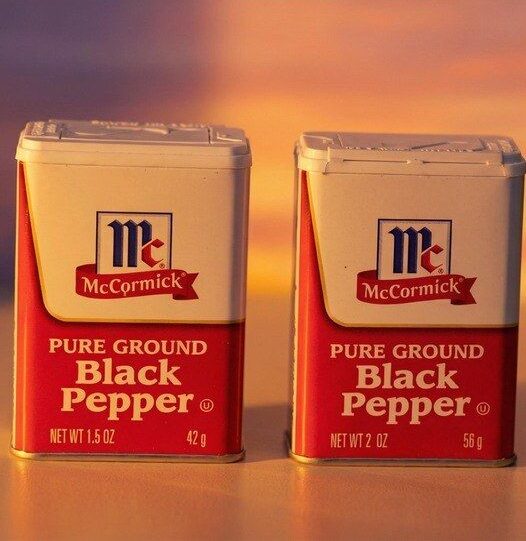
Spice Packaging Dispute Raises Broader Questions About Transparency and Consumer Perception
How Visual Design Influences Purchasing Decisions
In fast-moving retail environments, purchasing decisions are often made in seconds rather than minutes. Many shoppers rely on visual impressions instead of carefully reviewing fine print or checking detailed weight information.
Elements such as container height, width, color, and opacity frequently serve as shortcuts for assessing value. When consumers are navigating crowded aisles, these cues can carry more influence than numerical measurements printed on labels.
This reliance on visual judgment has recently come under scrutiny in a legal dispute within the spice industry. The case centers on how packaging design may shape perceptions of quantity and value during quick purchasing decisions.
A Legal Clash in the Spice Aisle
The dispute involves McCormick & Company and its competitor, Watkins Incorporated. At the heart of the disagreement is the amount of black pepper contained in certain packaging.
Watkins alleges that McCormick reduced the contents of its well-known tins of black pepper from approximately eight ounces to six ounces. According to the claim, the external appearance of the packaging remained largely unchanged during this adjustment.
The continuity of design, Watkins argues, may have led long-time customers to assume they were purchasing the same quantity they had previously bought. The company contends that the similarity in exterior presentation created an impression of consistency in value.
This situation has brought attention to what is commonly described as “slack-fill.” The term refers to empty space inside packaging that may not be immediately apparent to consumers.
The Role of Slack-Fill and Shrinkflation
Slack-fill is often discussed alongside shrinkflation, a practice in which product quantities decrease while packaging remains similar in size. While the net weight is typically disclosed on the label, the visual dimensions of the container may not change in a noticeable way.
Watkins claims that the reduction in black pepper from eight ounces to six ounces represents a significant shift. The company asserts that when packaging appears identical, customers may not immediately detect the difference in quantity.
From a consumer perspective, shelf presence plays a powerful role. A container that looks substantial or familiar may signal value, even if the internal contents have been reduced.
The case highlights how visual continuity can influence assumptions about consistency. Shoppers who have purchased the same product over time may rely on appearance rather than rechecking the net weight on every visit.
Transparency and Packaging Design
A key element of the disagreement involves the physical transparency of the packaging. Watkins uses clear containers that allow customers to see the amount of product inside before making a purchase.
In contrast, McCormick’s tins are opaque. Because shoppers cannot view the interior, any empty space inside the container is not visible at the point of sale.
Watkins argues that this difference in design contributes to the perception gap. According to its position, a larger-looking opaque tin may appear to contain more product than a clear container of similar weight.
This argument centers on how design decisions interact with consumer psychology. When products are placed side by side, visual comparisons often occur instantly and subconsciously.
Visual Impression Versus Printed Disclosure
All packaged food products are required to display their net weight. These disclosures are intended to provide accurate information so consumers can make informed choices.
However, critics in the dispute contend that many shoppers do not scrutinize labels in detail during routine grocery trips. Instead, they depend on memory, familiarity, and visible characteristics.
In a busy retail setting, quick visual assessments may overshadow small numerical details. The legal conflict raises the question of whether compliance with labeling rules alone is sufficient to ensure clarity.
McCormick maintains that its packaging adheres strictly to all labeling regulations. From a regulatory standpoint, proper disclosure of weight fulfills legal obligations.
Yet the broader debate centers on whether technical compliance fully addresses consumer expectations. For some observers, transparency extends beyond what is printed on the label.
The Psychology of Shelf Presence
Retail shelves are designed to attract attention. Height, color, and brand recognition all compete for the consumer’s focus.
When a familiar package retains its shape and size, shoppers may interpret that consistency as stability in value. A reduction in contents that is not accompanied by a noticeable design change may go unnoticed by many buyers.
Watkins contends that this dynamic creates an uneven comparison. The company argues that its clear packaging makes the quantity of product immediately visible, while opaque tins do not offer the same visual confirmation.
The contrast between clear and opaque containers highlights how design can influence trust. Some consumers may feel reassured when they can directly observe the contents of a product.
Others may rely on established brand recognition and assume that a familiar package contains the same amount as before. These differing assumptions form part of the tension in the current legal dispute.
Ethical Considerations in Modern Commerce
Beyond the specific figures of eight ounces and six ounces, the case brings forward larger ethical questions. It asks whether brands have responsibilities that extend beyond the minimum legal requirements.
In competitive markets, companies balance cost pressures with pricing strategies. Adjusting product quantities while maintaining package dimensions can be one method of managing expenses.
However, critics argue that such practices risk eroding consumer confidence if customers later discover that they received less product than expected. Trust is often built over years but can be weakened quickly.
The dispute illustrates a broader tension between what is legally permissible and what consumers perceive as fair. Even when labels accurately state the contents, visual presentation may shape expectations differently.
Implications for Brand Loyalty
Brand loyalty often depends on consistency and reliability. When customers repeatedly purchase a product, they develop expectations based on prior experience.
If packaging appears unchanged while the quantity inside decreases, some shoppers may feel misled once they notice the difference. That perception can influence long-term relationships between brands and buyers.
For companies, maintaining consumer trust is essential in crowded markets. The spice aisle, like many grocery categories, offers numerous alternatives.
Watkins’ position emphasizes that visible transparency through clear packaging helps avoid confusion. McCormick, meanwhile, stands by its compliance with labeling standards.
The outcome of the dispute may have implications beyond black pepper. It may influence how other brands consider packaging design when adjusting product quantities.
Legal Compliance Versus Visual Honesty
The central debate in this case revolves around whether meeting labeling requirements fully addresses consumer protection concerns. Legal frameworks focus on measurable disclosures, such as net weight.
However, visual presentation can communicate messages that go beyond printed text. The size, opacity, and overall design of a container may create impressions about value.
As the legal battle unfolds, the industry is faced with a broader question. Should companies limit their responsibilities to strict regulatory adherence, or should they also account for how packaging may be interpreted at a glance?
This issue is particularly relevant in an era when shoppers are pressed for time. Split-second decisions often determine what ends up in a shopping cart.
The dispute between McCormick & Company and Watkins Incorporated underscores the complexity of balancing marketing strategy with consumer expectations. It highlights how design, psychology, and regulation intersect in everyday purchasing decisions.
Ultimately, the case challenges the retail sector to consider whether transparency should be measured solely by what is printed on a label or by the overall impression a product conveys. The answer may shape how brands approach packaging choices in the future.