
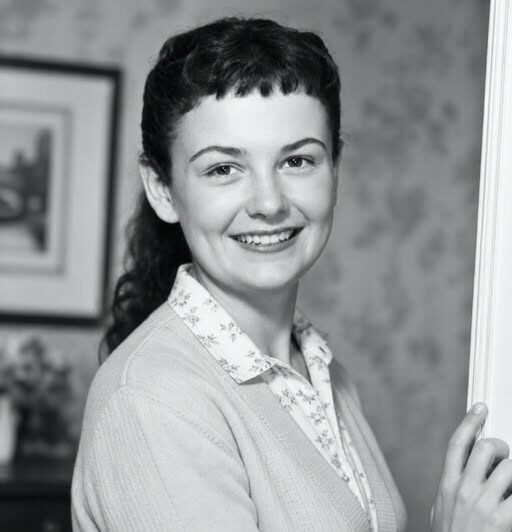
Shelley Fabares Dies at 82, Leaving Behind Decades of Television, Music and Family Memories
A Familiar Television Star Remembered Across Generations
Shelley Fabares, the actress and singer whose career stretched across several eras of American entertainment, has died at the age of 82 following a brief illness.
For millions of viewers, Fabares remained closely connected to the television programs that helped define different generations. Her performances on The Donna Reed Show and Coach placed her at the center of two very different periods in television history, allowing her to build a career that lasted far beyond her earliest success.
Her death closes a chapter that began during the black-and-white era of family television and continued into the modern sitcom landscape. Along the way, she also experienced unexpected success in music and built a private life centered on family, including her long marriage to M*A*S*H star Mike Farrell.
While audiences knew her through recognizable characters and a hit song, those closest to her remembered something more personal. Within her family, she was regarded as a devoted wife, loving stepmother and steady presence who brought people together.
Mary Stone Made Her a Television Favorite
Fabares became widely known through her role as Mary Stone on The Donna Reed Show, one of the programs strongly associated with the family-oriented television style of the late 1950s.
As Mary, she became a familiar presence in homes across the country. The character helped establish Fabares as one of the recognizable young faces of the period, appearing during an era when television was rapidly becoming a central part of American family entertainment.
Her performance reflected the wholesome image often associated with programs of that time. Viewers watched her grow into the role, and the visibility she gained would become an important foundation for everything that followed.
Fabares’ connection with The Donna Reed Show remained an enduring part of her public identity. Even after her career moved in new directions, generations of viewers continued to associate her with Mary Stone and the world represented by the series.
That early television success could easily have defined an entire career. Instead, Fabares soon experienced another breakthrough in an area she had not expected to transform her life so dramatically.
“Johnny Angel” Changed Her Career
While already established as a working actress, Fabares entered another corner of popular culture when her recording career produced a major hit.
“Johnny Angel” climbed to No. 1, turning the young television actress into a pop phenomenon and expanding her fame far beyond the audience that knew her from weekly television.
The song’s success was remarkable because it placed Fabares in two highly visible areas of entertainment at the same time. She was no longer simply a popular actress associated with a successful family program. She had also become the voice behind a chart-topping song.
The unexpected achievement added another dimension to a career that was still developing. The transition from television performer to successful recording artist demonstrated how quickly her public profile had grown.
For fans who first discovered her through music, “Johnny Angel” became one of the defining pieces of her early career. For those already familiar with Mary Stone, the song revealed another side of a performer whose popularity was continuing to expand.
Fabares would ultimately remain best known as an actress, but the No. 1 success of “Johnny Angel” ensured that music would always hold a significant place in her professional story.
Growing Beyond Her Early Television Image
One of the challenges facing performers who become famous at a young age is finding ways to move beyond the character or image that first made them successful.
Fabares’ early identity was closely tied to the wholesome world of late-1950s family television. Over time, however, her career developed far beyond that original image.
Rather than remaining permanently associated with poodle skirts and youthful television roles, she continued working and eventually reached another major television audience through comedy.
That ability to remain visible across changing decades became one of the defining features of her career. Television itself changed considerably between The Donna Reed Show and Coach, and Fabares successfully found a place in both worlds.
Her work therefore reflected more than personal longevity. It also traced a larger transition in television, moving from the carefully structured family programs of an earlier era into a more contemporary style of primetime comedy.
Coach Introduced Her to a New Generation
Years after Mary Stone made her a household name, Fabares found another signature television role as Christine Armstrong on Coach.
The character gave her an opportunity to reach viewers who may have known little about her earlier career. Instead of simply relying on nostalgia, she became an important part of a successful comedy with its own identity and audience.
Christine Armstrong was presented as intelligent, grounded and dependable, providing a steady presence within the show’s often chaotic comedic environment.
The role highlighted a different stage of Fabares’ career. The young star associated with family television had become an experienced performer capable of serving as the calm and thoughtful center of a modern ensemble comedy.
Her work on Coach gave her another lasting connection with television audiences and showed that her appeal was not limited to a single era.
For older viewers, her appearance could bring memories of The Donna Reed Show and “Johnny Angel.” For younger audiences, Christine Armstrong became the role through which they came to know her.
Few performers are able to create widely remembered characters at such different points in their careers. Fabares managed to do so while remaining recognizable without being confined by the success that came before.
A Career Spanning Major Changes in American Television
Looking back at Fabares’ professional life also means looking at the evolution of television itself.
Her early success arrived when black-and-white family programming was a dominant form of entertainment. The tone, style and expectations of that period were very different from the television landscape she would later encounter.
By the time she appeared on Coach, primetime comedy had changed substantially. Characters were written differently, family structures on television had broadened, and comedy had developed a sharper and more contemporary rhythm.
Fabares moved between those eras while maintaining a lasting connection with viewers.
Her career therefore was not built around one brief period of fame. Instead, she remained part of popular entertainment long enough to become meaningful to audiences separated by decades.
The progression from Mary Stone to Christine Armstrong illustrated how she adapted while still retaining the warmth and accessibility that viewers had associated with her from the beginning.
Her Marriage to Mike Farrell
Away from television sets and recording studios, one of the most important parts of Fabares’ life was her marriage to actor Mike Farrell, widely recognized for his connection to M*A*S*H.
The couple shared more than forty years together, creating a partnership that became central to Fabares’ life outside entertainment.
Her public career brought decades of recognition, but her family life revealed a quieter side that those closest to her considered deeply important.
She was remembered not simply as a famous actress or singer but as a devoted wife whose longest-lasting role existed far from television cameras.
Her relationship with Farrell formed part of the personal legacy that remained separate from awards, ratings, chart positions and recognizable characters.
For a performer whose professional life unfolded in public for so many years, the enduring nature of that marriage represented a powerful source of continuity.
A Loving Stepmother and the Center of an Extended Family
Fabares was also remembered as a loving stepmother and an important figure within her extended family.
Those close to her described a woman who made others feel recognized, secure and valued. That image stands apart from the glamorous perception that often surrounds longtime Hollywood careers.
Within her family, her significance was measured not by television audiences but by the emotional support she provided.
She became a quiet source of connection, helping hold together relationships and creating an atmosphere in which the people around her felt cared for.
That personal side of her life offered a contrast to the highly visible roles that made her famous. Millions may have known her face, but the people nearest to her knew the everyday qualities that never appeared in opening credits.
Her family’s memories emphasize affection, safety and a sense of being cherished. Those qualities became an essential part of how she was remembered after her death.
Her Final Illness
Fabares died following a brief illness, bringing an end to a life that had been intertwined with American entertainment for decades.
The illness belonged to the final chapter of a story that had otherwise been defined by remarkable professional longevity and lasting personal relationships.
Her passing at 82 was felt not only by the relatives who knew her privately but also by generations of viewers who associated her with different moments in their own lives.
Some remembered gathering around the television for The Donna Reed Show. Others remembered hearing “Johnny Angel” during its rise to No. 1. Another generation came to appreciate her through Coach.
Together, those memories demonstrate the unusual reach of a career that crossed television, music and multiple generations of popular culture.
More Than the Roles Audiences Remember
Celebrity legacies are often reduced to a handful of famous performances, but Fabares’ life cannot be understood solely through Mary Stone, Christine Armstrong or a hit record.
Those achievements made her famous, yet the people closest to her remembered the relationships behind the public success.
Her television work brought familiarity. Her music brought another level of recognition. Her marriage and family relationships, however, shaped a private legacy that existed beyond entertainment.
The combination of those different parts of her life helps explain why her death carries meaning for both longtime admirers and the people who shared their lives with her.
She was a performer whose career evolved with television, a singer who unexpectedly reached the top of the music charts and a family member remembered for making others feel loved.
A Legacy That Continues Through Memory
Shelley Fabares leaves behind a body of work connected to some of television’s most memorable eras.
As Mary Stone, she became part of the image of late-1950s family television. Through “Johnny Angel,” she experienced the rare transformation from successful actress to No. 1 recording artist.
Decades later, Christine Armstrong allowed her to build another television legacy and introduced her to viewers who had not experienced the beginning of her career.
Yet her most personal legacy is found in the way her family remembers her: as a devoted wife, a loving stepmother and a person who brought comfort and stability to the people around her.
Her death marks the loss of a familiar figure in American entertainment, but the roles, music and memories connected to her life remain.
For viewers who grew up watching her, Fabares represented different things at different times. She could be the young Mary Stone, the voice of “Johnny Angel,” or the composed Christine Armstrong navigating the comedy surrounding her on Coach.
For her family, she was something more enduring than any character.
After decades in the public eye, Shelley Fabares’ story ultimately reaches beyond fame. Her career reflected the changing face of television, while her private life was defined by relationships that lasted far longer than any single performance.
At 82, her final curtain has fallen, but the affection attached to her work and the memories she created for those closest to her ensure that her presence will continue to be remembered.