
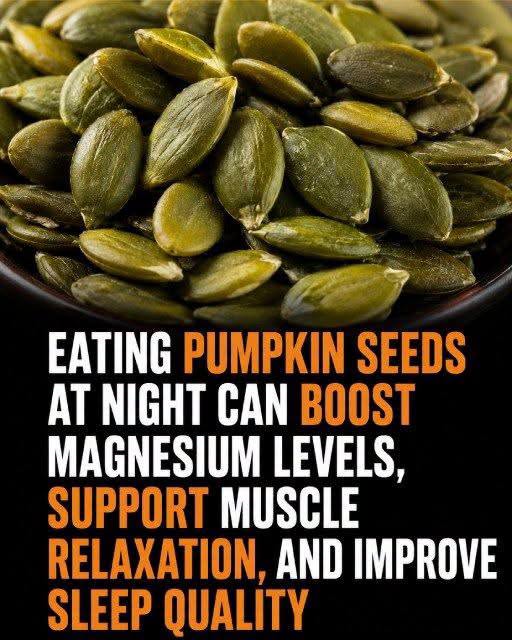
Pumpkin Seeds Are Packed With Nutrients—Here’s What Research Says About Their Potential Benefits
A Small Seed With an Impressive Nutrition Profile
Pumpkin seeds may be small, but they contain a surprisingly concentrated mix of nutrients.
Also known as pepitas, they can be eaten raw or roasted, sprinkled over salads, mixed into oatmeal, added to smoothies, or enjoyed as a simple snack.
They provide protein, healthy fats, fiber, and several important minerals.
That combination is one reason pumpkin seeds have become popular with people looking for nutrient-dense foods that are easy to add to everyday meals.
What Is the Difference Between Pumpkin Seeds and Pepitas?
The terms are often used interchangeably, but there is a small difference.
Pumpkin seeds can refer to the entire seed, including the pale outer shell.
Pepitas usually refer to the green kernel inside after the shell has been removed.
Some pumpkin varieties naturally produce seeds without a thick shell.
Those are also commonly sold as pepitas.
Pumpkin Seeds Provide Several Important Minerals
A typical one-ounce serving contains notable amounts of magnesium, zinc, potassium, copper, and iron.
These minerals support many normal functions throughout the body.
Magnesium is involved in muscle and nerve function.
Zinc supports immune function and many cellular processes.
Iron helps the body produce hemoglobin, while potassium plays an important role in fluid balance and normal muscle function.
Because pumpkin seeds provide several of these nutrients in a relatively small serving, they can be a useful addition to a balanced diet.
They Also Provide Plant-Based Protein
Pumpkin seeds contain protein and a broad range of amino acids.
That can make them especially useful for people who want to increase plant-based protein intake.
A serving can be added to foods that otherwise contain relatively little protein, such as salads or fruit-based breakfasts.
They should not necessarily replace major protein sources on their own, but they can contribute meaningfully to overall intake.
Healthy Unsaturated Fats Are Another Benefit
Pumpkin seeds also contain unsaturated fats.
These fats are generally considered a healthier dietary choice than large amounts of saturated fat when used as part of an overall balanced eating pattern.
Pumpkin seed oil contains many of the fats naturally present in the seed.
The oil has also been studied separately for possible effects on cardiovascular, urinary, and other aspects of health.
Pumpkin Seeds Contain Antioxidant Compounds
Researchers have identified several antioxidant compounds in pumpkin seeds.
These include tocopherols, phytosterols, and other naturally occurring plant compounds.
Antioxidants help protect cells from oxidative stress.
That does not mean one food can prevent disease by itself.
But foods rich in plant compounds can contribute to an overall dietary pattern associated with good health.
They May Support Heart Health
Pumpkin seeds contain nutrients that are commonly associated with cardiovascular health.
Magnesium and potassium are involved in normal blood-pressure regulation.
The seeds also contain alpha-linolenic acid, or ALA, a plant-based omega-3 fatty acid.
Research has linked diets containing ALA with cardiovascular benefits.
The unsaturated fats and antioxidant compounds in pumpkin seeds may also contribute to their heart-friendly nutritional profile.
What About Blood Pressure?
Some research has examined pumpkin seeds and pumpkin seed oil in relation to blood pressure.
The results are interesting, but they should be interpreted carefully.
Some studies have been conducted in animals or relatively small groups of people.
Pumpkin seeds should therefore be viewed as a nutritious food rather than a replacement for prescribed blood-pressure treatment.
Anyone managing hypertension should continue following medical advice from a qualified healthcare professional.
Pumpkin Seeds and Blood Sugar
Researchers have also studied compounds in pumpkin seeds for possible effects on blood glucose regulation.
Some experiments suggest potential benefits.
However, much of the evidence remains preliminary or comes from laboratory and animal studies.
For people with diabetes, pumpkin seeds can still fit into many balanced meal plans because they provide protein, healthy fats, and minerals.
But they should not be treated as a substitute for medication, glucose monitoring, or professional dietary guidance.
Could They Help With Sleep?
Pumpkin seeds contain tryptophan, an essential amino acid involved in the production of serotonin and melatonin.
Those substances play roles in sleep and mood regulation.
This has led to suggestions that pumpkin seeds may be a useful evening snack.
Eating them is not likely to work like a sleep medication.
Still, they can be part of a nutritious evening meal or snack for people who enjoy them.
Magnesium May Also Matter for Sleep
Magnesium is another nutrient commonly discussed in relation to sleep quality.
Pumpkin seeds are a useful dietary source.
Research on magnesium and sleep is still developing, and results vary depending on the individual.
Getting adequate magnesium from food remains important for overall health regardless of whether it noticeably changes sleep.
They Provide Zinc, Which Supports Normal Vision
Zinc is important for many biological processes, including normal eye function.
Pumpkin seeds provide a meaningful amount of zinc per serving.
Pumpkin seed oil has also been studied for plant pigments such as lutein and zeaxanthin.
These nutrients are commonly associated with eye health.
However, no single food should be expected to prevent age-related eye disease on its own.
Pumpkin Seeds and Prostate Health
Pumpkin seeds and pumpkin seed extracts have attracted considerable research interest in relation to prostate health.
Some studies suggest that pumpkin seed preparations may help improve urinary symptoms associated with benign prostatic hyperplasia, commonly called BPH.
BPH is a noncancerous enlargement of the prostate that becomes more common with age.
The available findings are promising but do not mean pumpkin seeds can replace appropriate medical evaluation or treatment.
Pumpkin Seed Oil Has Also Been Studied for Urinary Symptoms
Researchers have looked at pumpkin seed oil in people experiencing overactive bladder and other urinary symptoms.
Some small studies have reported improvements.
However, urinary problems can have many causes.
Anyone experiencing persistent changes in urination should speak with a healthcare professional rather than relying solely on dietary supplements.
What About Kidney or Bladder Stones?
Some research has examined pumpkin seed consumption in relation to mineral formation in the urinary tract.
Older studies suggested that pumpkin seeds may influence certain urinary minerals.
Evidence remains limited, and people with kidney or urinary conditions should not assume that eating pumpkin seeds will prevent stones.
Hydration and individualized medical advice remain much more important.
Claims About Parasites Need More Caution
Pumpkin seeds have a long history of traditional use in different cultures.
Some studies have investigated their potential effects against certain intestinal parasites.
That research does not establish pumpkin seeds as a reliable replacement for approved antiparasitic treatment.
Anyone who suspects a parasitic infection should seek proper testing and medical care.
Can Pumpkin Seeds Help With Weight Management?
There is no strong evidence that pumpkin seeds directly cause weight loss.
However, they contain protein, fiber, and fat, which can make them satisfying.
A small serving may therefore be a more nutritious snack choice than many highly processed alternatives.
Portion size still matters because seeds are energy-dense.
Weight management depends on overall dietary patterns, activity, sleep, health conditions, and many other factors.
Pumpkin Seeds and Cancer Research
Some laboratory research has examined compounds in pumpkin seeds for possible effects on cancer cells.
Researchers have also studied plant compounds called phytoestrogens.
These early findings are interesting but should not be interpreted as evidence that pumpkin seeds prevent or treat cancer.
Cancer treatment should always be guided by qualified oncology professionals.
Pumpkin seeds can simply be considered one nutritious food among many in a varied diet.
Pumpkin Seed Oil Has Been Studied for Hair Growth
One of the more interesting areas of research involves pumpkin seed oil and male pattern hair loss.
A small randomized clinical study involving men with androgenetic alopecia found increased hair counts among participants who took pumpkin seed oil over several months.
The findings attracted considerable attention because they involved human participants rather than only laboratory testing.
However, one relatively small study is not enough to establish pumpkin seed oil as a guaranteed hair-loss treatment.
Hair loss has many possible causes, so anyone experiencing significant changes should consider discussing them with a healthcare professional.
The Oil Is Also Rich in Plant Compounds
Pumpkin seed oil contains unsaturated fats and antioxidant compounds.
Animal studies have examined possible anti-inflammatory effects.
Human research remains more limited in several areas.
That means pumpkin seed oil can be viewed primarily as a food and culinary oil, with some areas of potential health interest still being studied.
Research Has Looked at Menopause Symptoms
A small study involving postmenopausal women examined pumpkin seed oil supplementation.
Participants reported changes in some symptoms, and researchers also observed changes in measures such as HDL cholesterol and blood pressure.
These findings are interesting but preliminary.
Menopause symptoms vary widely, and anyone experiencing significant difficulties should discuss appropriate treatment options with a healthcare professional.
How Much Pumpkin Seed Should You Eat?
There is no official recommended daily intake specifically for pumpkin seeds.
A common serving is around one ounce, or approximately 28 grams.
That amount provides a useful combination of protein, minerals, fats, and other nutrients without adding an excessive number of calories for most people.
Individual needs vary, so there is no requirement to eat them every day.
Raw or Roasted?
Both raw and roasted pumpkin seeds can be nutritious.
Roasting changes flavor and texture and can affect certain heat-sensitive nutrients.
Protein, minerals, and much of the fat remain present after roasting.
For many people, the healthiest option is simply the version they enjoy enough to eat regularly as part of a balanced diet.
Watch the Added Salt
Commercial roasted pumpkin seeds can contain significant amounts of added salt.
For people who need to limit sodium, unsalted or lightly salted versions may be a better choice.
Nutrition labels can help compare products.
Flavored varieties may also contain added sugar, oils, or seasonings.
What About Soaking Pumpkin Seeds?
Seeds naturally contain phytic acid, a compound that can bind to some minerals and reduce their absorption.
Soaking can reduce some of these compounds.
For most people eating a varied diet, however, there is no requirement to soak pumpkin seeds before eating them.
The nutritional value of seeds remains substantial whether they are eaten raw, roasted, or incorporated into other foods.
Allergies Are Possible
Pumpkin seed allergies appear to be relatively uncommon, but reactions can occur.
Possible symptoms can include itching, swelling, breathing difficulties, or other allergic responses.
Anyone who develops signs of a serious allergic reaction should seek immediate medical care.
Easy Ways to Add Pumpkin Seeds to Meals
Pumpkin seeds are versatile enough to use in many dishes.
They can be sprinkled over yogurt.
Added to oatmeal.
Mixed into homemade granola.
Tossed over soups and salads.
Blended into smoothies.
Or eaten alone as a snack.
They can also add texture to breads and baked dishes.
A Nutritious Food, Not a Miracle Cure
Pumpkin seeds have an impressive nutritional profile.
They provide protein, unsaturated fats, magnesium, zinc, iron, potassium, and a variety of antioxidant compounds.
Research has explored possible benefits involving cardiovascular health, urinary symptoms, prostate health, sleep, hair growth, and several other areas.
Some findings are promising.
Others remain preliminary.
The safest conclusion is also the simplest one.
Pumpkin seeds are a nutritious food that can fit comfortably into a varied, balanced diet.
They do not need exaggerated health claims to be worth eating.