
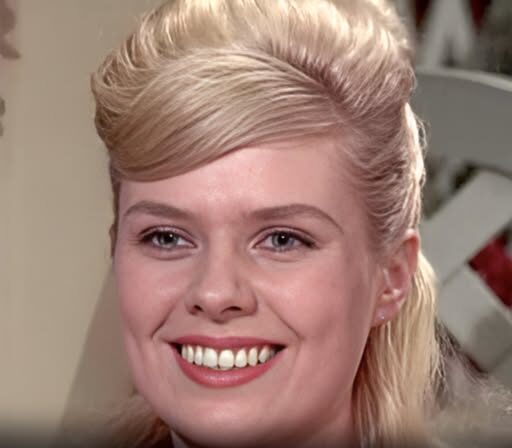
Nina Shipman, Familiar Face of Classic American Television, Dies at 88
Beloved Actress Appeared in Some of Television’s Most Iconic Shows
For decades, familiar performers entered American homes through television programs that became permanent parts of popular culture.
Many of those actors were not always the leading stars, yet their appearances helped define shows such as Bonanza, The Andy Griffith Show, Perry Mason, The Beverly Hillbillies and The Munsters.
Nina Shipman, an actress whose long career connected her with some of Hollywood’s most celebrated films and television series, has died at the age of 88.
Shipman died from natural causes on September 6, 2026, at a hospital in Gardena, California. Her stepdaughter, Lianne Bremer, confirmed her death.
Although Shipman’s name may not have been as widely recognized as those of the stars she worked beside, her face was familiar to generations of viewers. Her career included appearances in films and television programs spanning several decades.
Born into a family of entertainers
Shipman entered a family whose connection to entertainment began long before her own career.
Her grandfather, Ernest Shipman, performed with one of the earliest Shakespearean touring companies in the United States. Her grandmother, Nell Shipman, became a prominent actress during the silent-film era.
Her parents also established careers in show business. Her father, Barry Shipman, was a screenwriter whose work included Westerns, Dick Tracy films and the television series Lassie.
Her mother, Gwynne Shipman, worked as both a dancer and an actress. By the time Nina Shipman entered the entertainment industry, three generations of her family had already contributed to American stage and screen productions.
That family history placed her near the center of Hollywood culture from an early age, but acting was not initially her greatest ambition.
An early love of music
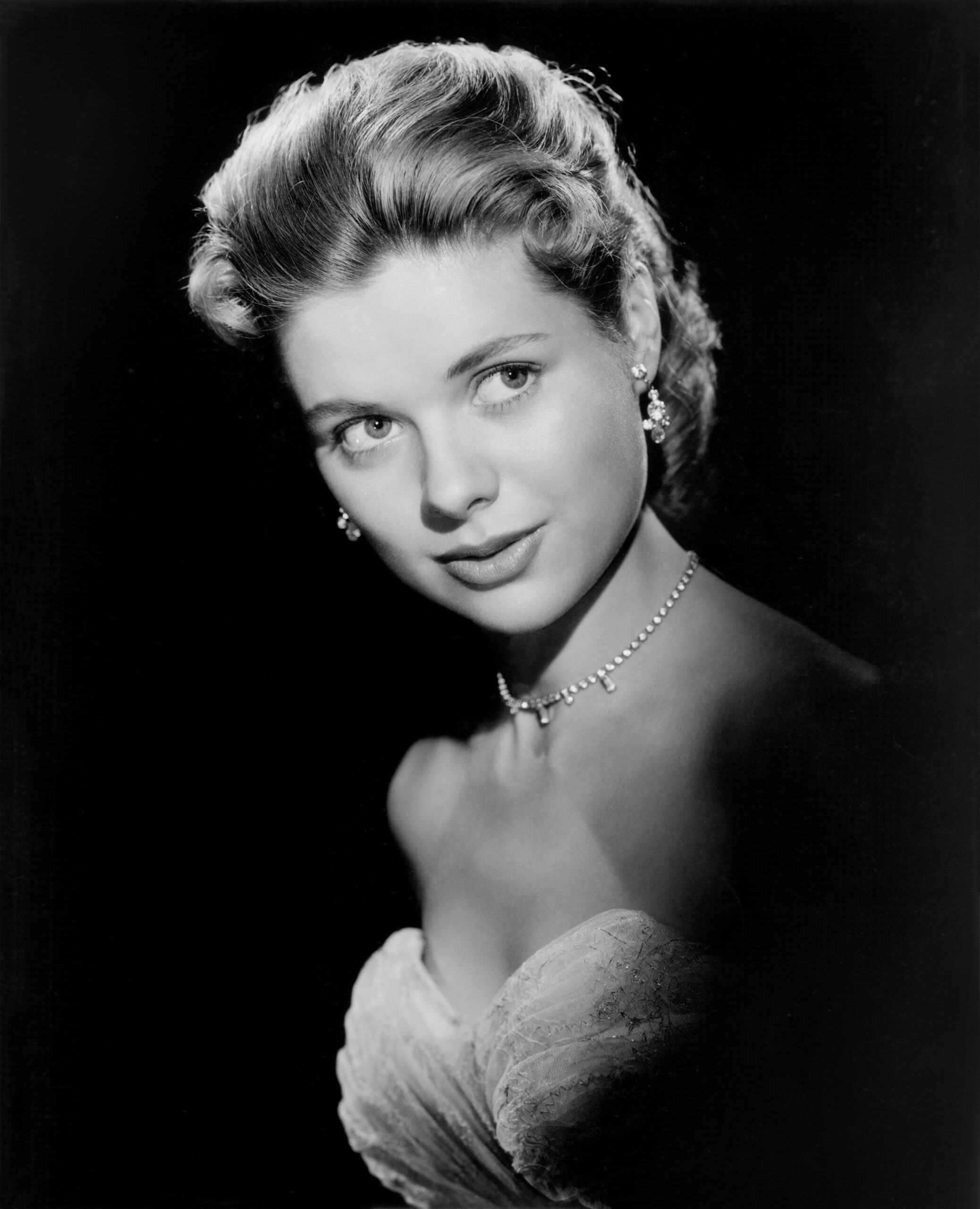
Nina Shipman was born in Los Angeles on August 15, 1938. She attended Maddox Academy in Mexico City before continuing her education at Eagle Rock High School in Los Angeles.
She later enrolled at UCLA, where she earned a degree in music. Her original dream was to become a concert pianist, reflecting a lifelong musical ability that remained important even after acting became her profession.
Shipman continued preparing for the stage by studying with respected acting teacher Sanford Meisner. She also performed at the Pasadena Playhouse, gaining practical experience before building her career in film and television.
Her first screen appearance came when she was only 10 years old. She appeared in a feature film written by her father, giving her an early introduction to professional filmmaking.
Even with that childhood experience, her path was not limited to acting. Music, education and performance would all remain significant parts of her life.
A brief but memorable appearance in Vertigo
In 1958, Shipman appeared in Alfred Hitchcock’s Vertigo, one of the director’s best-known films.
Her role was brief and uncredited, but it placed her within a production that would later become one of the most closely remembered films of its era. She played a woman mistaken for the mysterious character portrayed by Kim Novak.
The same year marked an important stage in Shipman’s development as a professional actress. She continued finding opportunities that brought her alongside major Hollywood performers and filmmakers.
As a contract player at 20th Century Fox, she appeared with Bing Crosby in Say One for Me. She later portrayed Crosby’s daughter in Blake Edwards’ High Time.
Her additional film credits included Blue Denim and The Oregon Trail. In the latter production, she appeared opposite Fred MacMurray.
These roles allowed Shipman to move between different kinds of stories and characters at a time when the American film industry was undergoing major changes.
A career across television’s most memorable programs
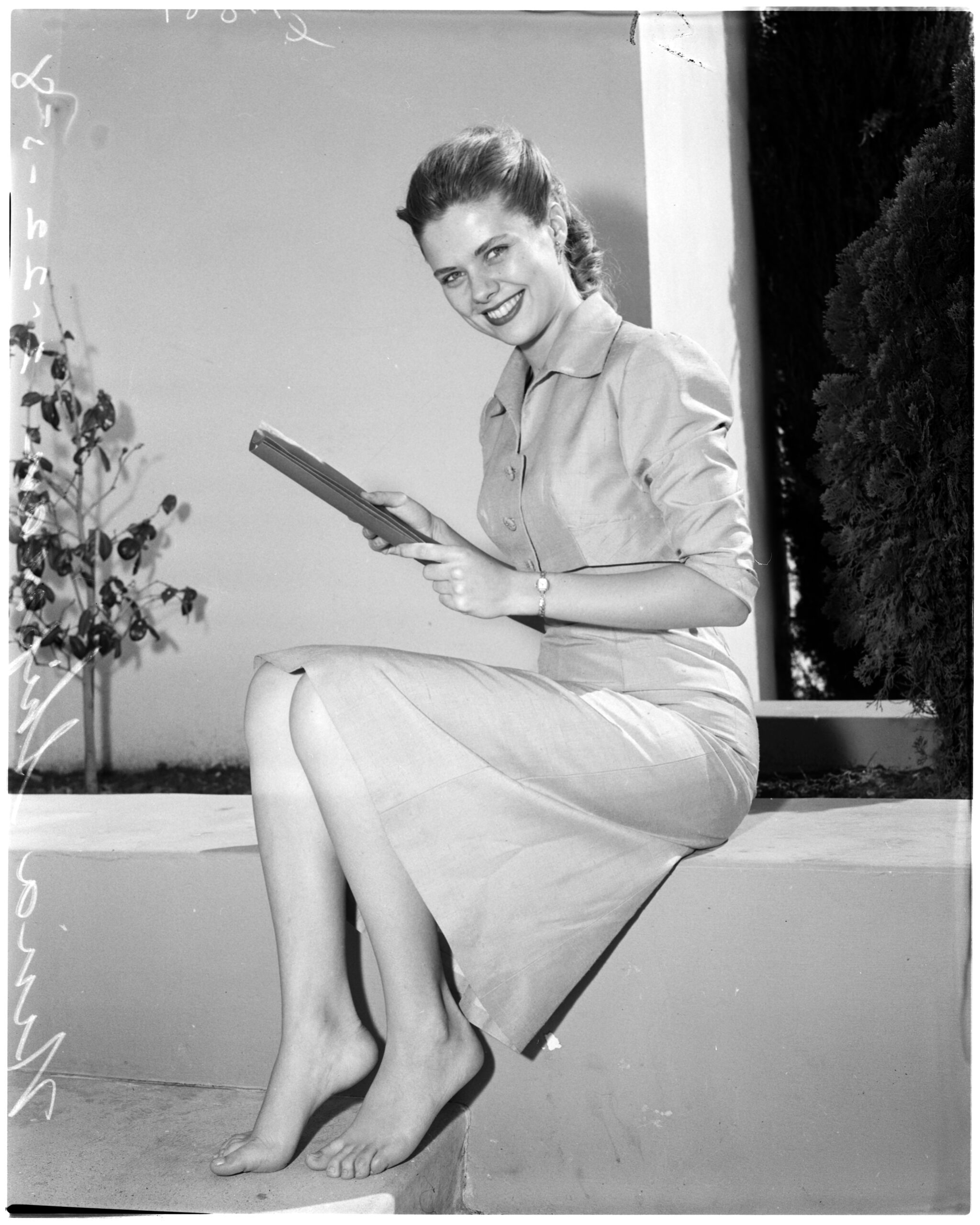
Shipman eventually became especially recognizable through television, appearing in an extensive collection of programs during the medium’s formative decades.
Her credits included 77 Sunset Strip, Bonanza, Rawhide, Daniel Boone and Perry Mason. Each series attracted a substantial audience and became closely associated with American television during the 1950s and 1960s.
She also appeared in The Munsters, The Andy Griffith Show and The Beverly Hillbillies. Those programs blended comedy, family storytelling and unusual characters in ways that helped make them enduring favorites.
Her later television work included appearances in The Mod Squad, Adam-12, Highway to Heaven and General Hospital, among numerous other productions.
The range of those credits demonstrated Shipman’s versatility. She moved from Westerns and police dramas to comedies, daytime television and family-oriented programming.
For viewers who watched these shows during their original broadcasts, recurring actors like Shipman were an important part of the experience. They might appear in different roles from one program to another, creating a recognizable connection across the television landscape.
Her unusual transformation on The Munsters
One of Shipman’s most distinctive television roles came in a 1965 episode of The Munsters titled “Lily Munster, Girl Model.”
The episode follows Lily after she begins working as a model. Herman becomes determined to convince her to leave the job, leading to the kind of strange and playful situation for which the series became known.
Grandpa prepares a potion that changes Herman into a Texas playboy. Grandpa then takes a potion himself and transforms into a beautiful young blonde woman portrayed by Shipman.
The production added another layer to the joke after filming. Shipman performed the character’s dialogue while the scenes were being recorded, but her voice was later replaced with the voice of Al Lewis.
The dubbing allowed the transformed character to retain Grandpa’s familiar voice even while appearing as Shipman on screen.
Looking back on the experience decades later, Shipman said in 2024, “It was really kind of cool,”
The role remained an unusual entry in her extensive résumé and represented the imaginative comedy that distinguished The Munsters from other programs of the period.
Writing and educational television
Shipman’s professional interests extended well beyond performing in front of a camera.
In 1975, she wrote How to Become an Actor in Television Commercials. The book drew on the knowledge she had developed through years of experience in entertainment.
Her work also moved into educational broadcasting. In 1981, she began hosting Contemporary Health Issues, a 30-episode television series designed to examine serious subjects affecting everyday life.
The program addressed sexuality, drugs, birth control, alcoholism, cardiovascular disease and death. Students could use the series to earn college credit, giving the production a purpose that went beyond conventional entertainment.
Hosting the program allowed Shipman to use her broadcasting experience in an educational setting. It also demonstrated her ability to engage with difficult topics in a structured format intended to help students learn.
A teacher, musician and falconer
Outside film and television, Shipman continued pursuing a wide variety of interests.
She remained an accomplished pianist, preserving the musical discipline that had shaped her earliest professional ambitions. Her education in music was not simply a step toward another career but a lasting part of her identity.
Shipman also practiced falconry, an uncommon activity requiring patience, knowledge and careful work with birds of prey.
Her later life included teaching as a professor at the University of Hawaii at Hilo. Through that position, she was able to bring decades of practical experience to students pursuing their own goals.
She also mentored aspiring performers through a theater company on Hawaii’s Big Island. That work allowed her to support developing talent away from the Hollywood productions that had defined the beginning of her career.
Her accomplishments in education, music and theater revealed a life broader than any list of screen credits could fully represent.
Marriage and family
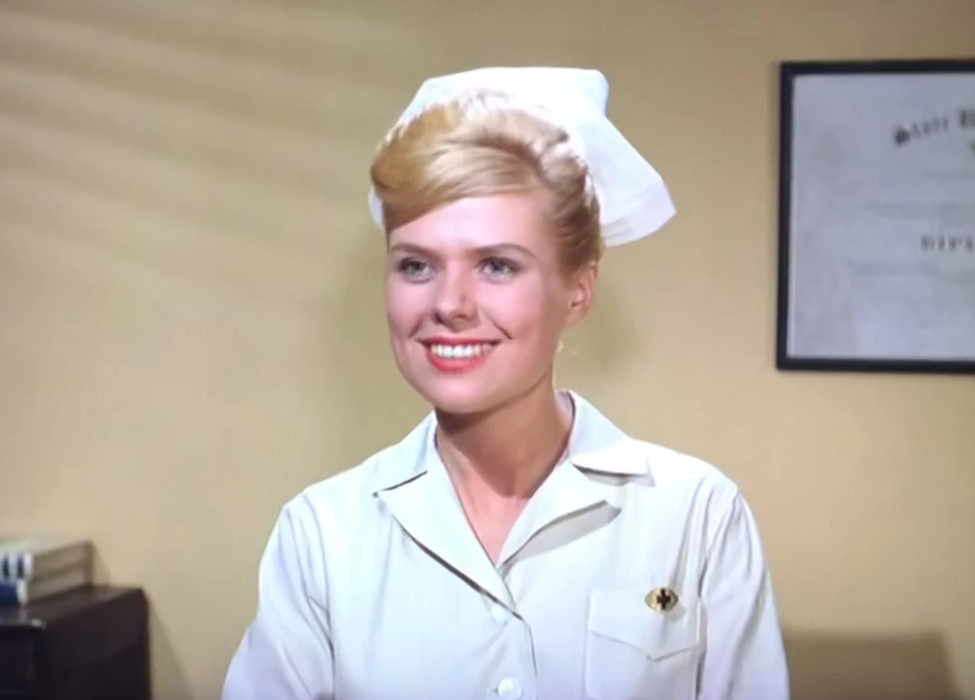
Shipman was married three times during her life.
She married Richard Harrington in 1956. Their marriage ended in divorce two years later, in 1958.
In 1961, she married actor and stuntman C. Ransom Walrod. The couple had two daughters, Westerly and Lani, before their marriage ended in divorce in 1973.
Shipman married choral conductor Donald Merrill Bremer in 1975. They remained together for four decades, until his death in 2015.
Her connections within Hollywood also extended into her personal life. In 1960, she served as maid of honor when actress Jill St. John married Woolworth heir Lance Reventlow.
Shipman is survived by her daughters and by her grandchildren, Bryson, Serena, Cole, Charlie and Clover.
A lasting connection to television’s golden era
Nina Shipman’s death marks the loss of another performer whose work helped shape the early decades of American television.
She was not always the central star of the productions in which she appeared. Nevertheless, her career placed her beside prominent actors and within programs that continued attracting viewers long after their original broadcasts ended.
Her professional life connected silent-film family history, classical music, Hitchcock-era cinema, network television, educational programming and university teaching.
That unusual journey reflected both the changes in American entertainment and Shipman’s willingness to explore opportunities beyond traditional acting.
For audiences who remember her appearances, seeing Shipman’s face can bring back the experience of gathering around a television and watching the same beloved programs each week.
Her legacy remains in those performances, in the students and actors she mentored, and in the family that survives her. Through a career that stretched far beyond any single role, Nina Shipman became part of the history and shared memories of classic American entertainment.