
Brian Connolly’s Rise With The Sweet and the Tragic Final Years Few Fans Knew About
The Rise of Brian Connolly and His Journey With The Sweet
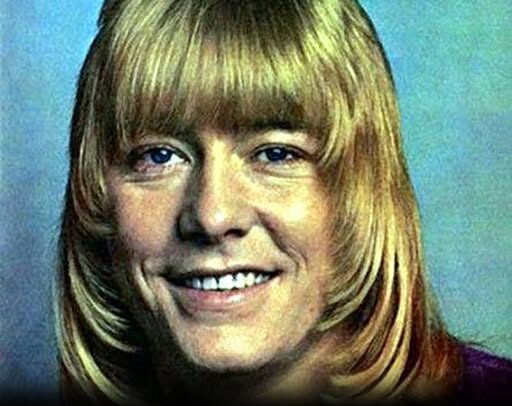
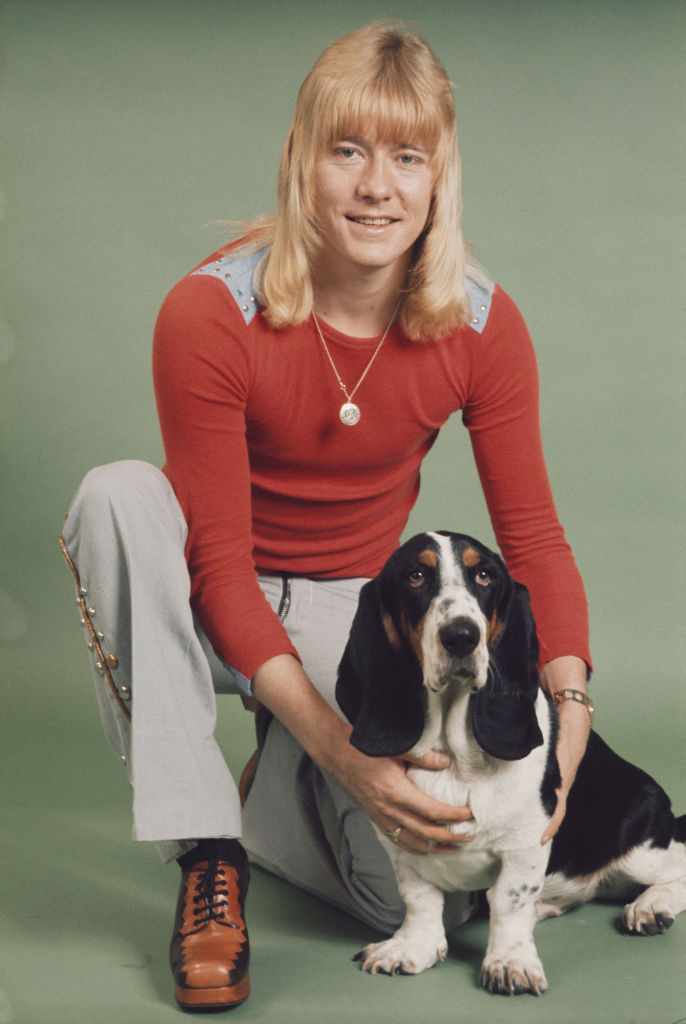
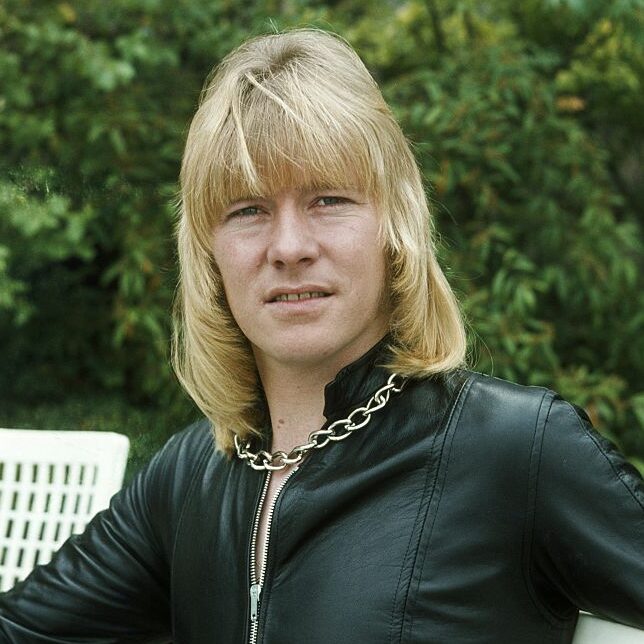
Brian Connolly possessed the voice, appearance, and stage presence that helped transform The Sweet into one of the most recognizable British rock bands of the 1970s. With his swept-back blond hair and commanding performances, he became the public face of a group whose songs crossed borders and generations.
Success brought Connolly international attention, financial rewards, and an audience that followed the band through an extraordinary run of hit records. Behind the glamorous image, however, his life was moving toward a far more difficult conclusion.
Alcohol-related problems, repeated heart attacks, declining health, financial pressure, and an unsuccessful attempt to establish a solo career gradually changed his circumstances. By the time he gave his final performances, the energetic frontman remembered by millions had become physically fragile.
The Voice at the Center of The Sweet
Connolly was born in Hamilton, Scotland, on October 5, 1945. He developed an interest in music at a young age and became active as a singer during the 1960s.
His early life was complicated. He was raised by foster parents, and conflicting accounts later appeared about his relationship to Scottish actor Mark McManus. McManus, widely remembered for playing the title character in the television detective drama Taggart, belonged to Connolly’s extended foster family rather than being reliably established as his biological half-brother.
Music eventually gave Connolly a path beyond the uncertainty of his childhood. In 1968, he became a founding member of the group initially known as Sweetshop, which soon shortened its name to The Sweet.
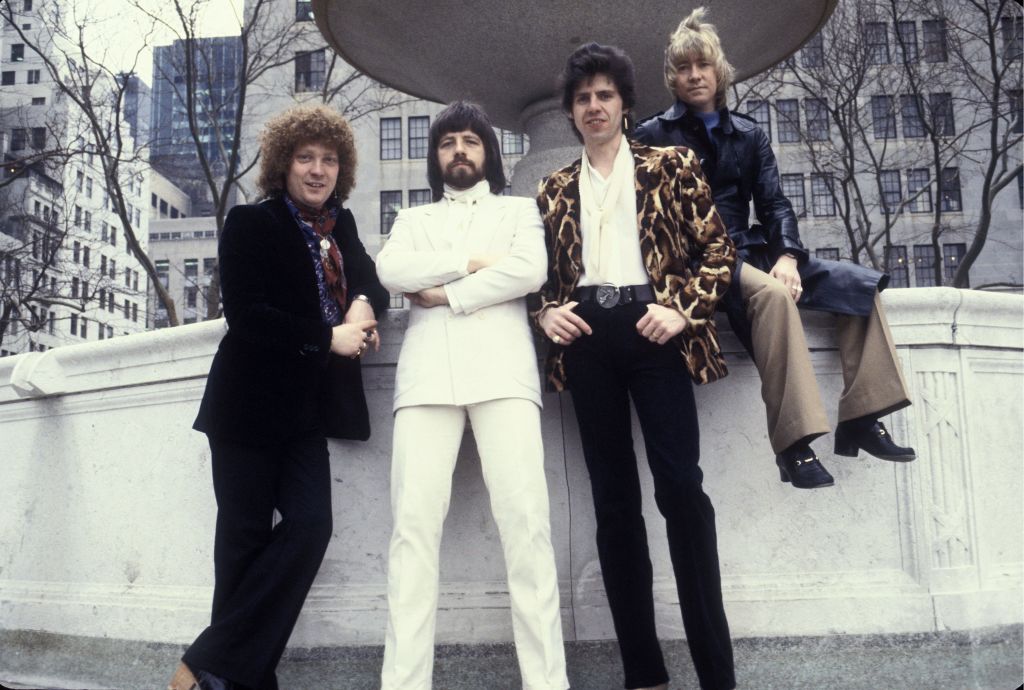
The band’s best-known lineup brought Connolly together with guitarist Andy Scott, bassist Steve Priest, and drummer Mick Tucker. Each musician contributed to the group’s distinctive identity, but Connolly’s appearance and high, powerful singing voice made him its most immediately recognizable member.
A Remarkable Run of Hit Records
The Sweet found commercial success after working with songwriters Nicky Chinn and Mike Chapman and producer Phil Wainman. The partnership produced a series of recordings that combined memorable choruses with the energy and theatrical style associated with glam rock.
The group earned its first major hit with Funny Funny in 1971. More successful singles followed, establishing The Sweet as a regular presence on the British charts.
Block Buster! reached number one in the United Kingdom in 1973. Other enduring songs included Wig-Wam Bam, Little Willy, Hell Raiser, Teenage Rampage, Fox on the Run, Action, and The Ballroom Blitz.
The Sweet achieved 13 UK Top 20 singles during the 1970s, with 10 entering the Top 10. Unlike many British glam-rock acts, the band also developed a substantial audience in the United States. :contentReference[oaicite:0]{index=0}
The Ballroom Blitz remains one of the group’s most familiar recordings. Its rapid introduction, pounding drums, sharp guitar work, and dramatic vocal exchanges captured the intensity that made The Sweet such an effective live act.
Although frequently categorized as a glam-rock band, the group’s music extended beyond that label. Its recordings combined commercial pop melodies with increasingly heavy guitars and assertive arrangements.
Songs such as Set Me Free and Sweet F.A. demonstrated a harder sound than the group’s brightest early singles. This ability to move between accessible pop and forceful rock helped The Sweet reach listeners with very different musical tastes.
Success Beyond the Glam-Rock Image
At the height of its popularity, The Sweet toured internationally and performed before enormous audiences. Connolly became a teenage idol, while the group accumulated substantial earnings from records, concerts, and its growing global profile.
Estimates of The Sweet’s total record sales vary. Widely repeated figures place the group’s worldwide sales above 35 million, while some retrospective accounts have claimed totals as high as 50 million.
The group’s success was supported by more than visual presentation. Tucker earned admiration for his forceful drumming, Scott provided the guitar work that drove the band’s heavier direction, and Priest brought bass, vocals, and personality to the lineup.
Connolly supplied the voice that united those elements. He could deliver melodic pop material while also rising above the volume and power of the band’s increasingly hard-rocking performances.
Fame nevertheless created pressures that were difficult to control. A demanding schedule, internal tensions, changing musical tastes, and Connolly’s growing problems with alcohol placed strain on the band.
Leaving The Sweet
Connolly left The Sweet in 1979 and attempted to begin a solo career. The departure marked the end of the lineup most closely associated with the band’s greatest commercial period.
His decision offered the possibility of establishing a new identity outside the group. However, his solo releases failed to reproduce the impact of The Sweet’s biggest records.
The music industry was also changing rapidly. Glam rock no longer dominated popular culture as it had earlier in the decade, and Connolly had to compete without the familiar sound and collective identity that had helped make him famous.
Alcohol had already begun interfering with his professional and personal stability. What may once have seemed manageable gradually became a serious problem that affected his health and ability to work consistently.
He continued trying to perform, but the momentum of his earlier career had disappeared. The contrast between his years as an international star and his uncertain position position as a solo performer became increasingly pronounced.
Financial Pressure and Serious Health Problems
Connolly briefly gained a significant supporting opportunity in January 1983 when he appeared with Pat Benatar for concerts in Birmingham, Newcastle, and London.
By then, financial difficulties were adding to his problems. Tax liabilities connected with earnings from The Sweet’s successful years contributed to the loss of the security he had once enjoyed.
His most serious difficulties were physical. Connolly was hospitalized in 1981 after becoming severely unwell and suffered multiple heart attacks. The resulting damage reportedly left him with weakness or partial paralysis on his left side.
These medical emergencies permanently changed his life. Performing had once depended on constant movement, vocal force, and the ability to command a stage. After his heart problems, each of those demands became harder to meet.
Connolly nevertheless continued working. Remaining onstage allowed him to maintain a connection with the audience that still remembered The Sweet’s music and his central role in creating it.
Returning With a New Version of the Band
During the 1980s, Connolly began touring with a reconfigured group associated with The Sweet’s name. The project eventually became known as Brian Connolly’s Sweet.
Andy Scott also performed with his own version of the band. Questions surrounding the right to use The Sweet’s name created further legal and financial strain.
Connolly’s performances attracted loyal fans, particularly in Britain and continental Europe. However, the fees and venues could not match the extraordinary commercial heights reached by the original group.
Touring also imposed a physical burden that his damaged health could no longer support easily. During an Australian tour in 1990, he was hospitalized with dehydration and related problems.
The incident demonstrated how vulnerable he had become. Despite his desire to continue performing, travel and repeated concerts could place him at serious risk.
A Decline Visible to the Public
By the middle of the 1990s, Connolly’s health problems were impossible to conceal. His movements had become unsteady, his hands shook, and the strength of his voice had diminished.
The difference was especially painful because his earlier image had been built around physical confidence. Photographs and performances from The Sweet’s peak showed a charismatic singer apparently in complete control of the stage.
Years later, he walked with difficulty and struggled through appearances that revealed the cumulative consequences of poor health and long-term alcohol abuse.
Connolly released the solo album Let’s Go in 1995, but it achieved only modest attention. That same period brought an important personal development when his partner, Jean, gave birth to their son.
Fatherhood arrived during a time when Connolly was confronting the seriousness of his condition. His body had endured repeated cardiac emergencies, while his professional opportunities had become increasingly limited.
Don’t Leave Me This Way
In November 1996, Channel 4 broadcast Don’t Leave Me This Way, a documentary examining Connolly’s rise with The Sweet and the severe decline that followed.
The program showed a side of rock stardom rarely visible during the group’s commercial peak. Instead of presenting only nostalgic footage and familiar songs, it confronted the physical and emotional reality of Connolly’s later life.
He discussed his heart attacks and acknowledged the damage associated with years of excessive drinking. Accounts differed over the precise number and timing of the cardiac events, but there was no doubt that he had survived numerous heart attacks beginning in 1981.
The documentary was difficult for many viewers because Connolly remained recognizable while appearing profoundly changed. His voice, manner, and memories connected him to The Sweet’s glory years, even as his body revealed how much had been lost.
Rather than eliminating public affection for him, the program strengthened the sympathy felt by fans who understood the seriousness of his situation.
Brian Connolly’s Final Performance
Connolly continued appearing onstage despite his declining condition. His final concert took place at the Bristol Hippodrome on December 5, 1996.
The event also included Slade II and John Rossall’s Glitter Band Experience. It placed Connolly among performers connected with the era in which he had first achieved fame.
No one watching could ignore the difference between the singer before them and the blond frontman who had once electrified packed venues. Yet his presence carried emotional weight precisely because performing had become so difficult.
The concert brought his long relationship with live audiences to a close. After decades of music, touring, setbacks, and repeated attempts to rebuild his career, Connolly would never perfor:contentReference[oaicite:1]{index=1}ch35″]}}
His Death in 1997
Connolly suffered another heart attack in January 1997 and was hospitalized in Slough. His health continued to deteriorate during the following weeks.
He died at Wexham Park Hospital around the night of February 9–10, 1997. Contemporary reports identified renal failure and his history of repeated heart attacks among the circumstances surrounding his death, while later accounts also referenced liver failure.
Connolly was 51 years old, although some early reports incorrectly described him as 52. His death came only a little more than two months after his final concert and ended a life marked by remarkable success and devastating :contentReference[oaicite:2]{index=2}ch39″]}}
For fans who remembered him as an apparently invincible rock star, the circumstances were deeply sad. The wealth, popularity, and excitement surrounding The Sweet had been unable to protect him from addiction, illness, and financial hardship.
A Memorial From the Fans
Supporters later raised money for a memorial plaque at Breakspear Crematorium. The tribute recognized the singer whose voice had accompanied some of the most energetic and enduring recordings of the glam-rock era.
The memorial also reflected the loyalty Connolly retained despite the difficulties of his final years. Fans did not remember him only through images of physical decline. They remembered the excitement of hearing The Sweet on the radio, buying the group’s records, and watching Connolly dominate the stage.
His later suffering became part of his story, but it did not erase what he achieved.
The Music That Outlived the Tragedy
Decades after Connolly’s death, The Sweet’s songs continue to appear on radio, film soundtracks, compilations, and playlists. The Ballroom Blitz and Fox on the Run remain particularly familiar to listeners who were not alive during the band’s original success.
The group’s influence also reaches beyond nostalgia. Its combination of catchy songwriting, theatrical presentation, vocal harmonies, and heavy guitars anticipated elements later heard in hard rock, glam metal, and power pop.
At the center of that sound remains Connolly’s voice. His performances preserve the confidence and electricity of his prime, allowing new listeners to encounter him before illness transformed his appearance and abilities.
Brian Connolly’s life therefore cannot be reduced entirely to its tragic ending. His final years were undeniably painful, but they followed a period of exceptional musical achievement.
He rose from a difficult childhood to become one of the defining frontmen of 1970s British rock. He helped The Sweet earn major international hits, sell millions of records, and create songs that continue to excite audiences.
His decline offers a sobering view of the damage that can exist behind fame. His recordings offer something different: the lasting sound of an artist at the height of his powers.
For listeners who still respond to the opening call of The Ballroom Blitz, Brian Connolly has never completely left the stage.