
Dry, Cracked Heels: Why They Happen and How Petroleum Jelly May Help
Dry Heel Skin Can Gradually Develop Into Painful Cracks
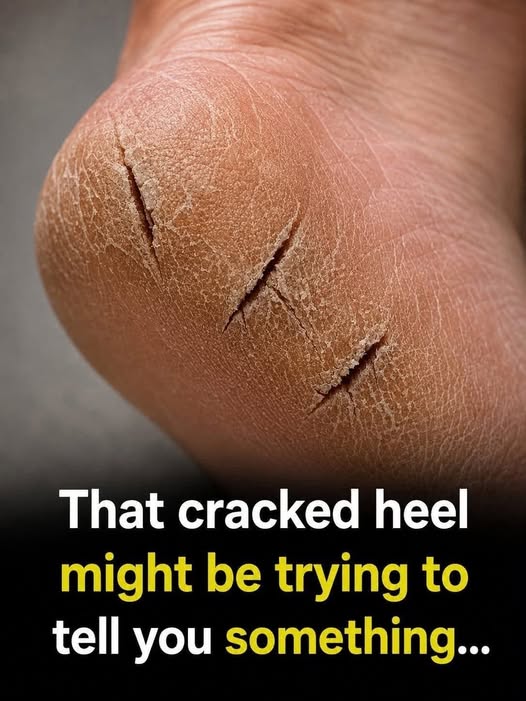
Dry, cracked heels often begin with nothing more than rough or flaky skin around the back and sides of the feet.
At first, the problem may seem minor. The heel may simply feel slightly harder than usual, with patches of dry skin that become more noticeable after bathing or spending long periods on the feet.
Over time, however, continued dryness and repeated pressure can cause the skin to become increasingly thick and less flexible.
When the skin can no longer stretch comfortably under pressure, small fissures may begin to form.
These cracks can remain superficial, but in more severe cases they may deepen enough to cause discomfort or pain while walking and standing.
Why Heels Are Particularly Vulnerable
The heel naturally supports a significant amount of body weight while a person stands or walks.
Each step places pressure on the skin surrounding the heel, causing it to expand slightly against the surface underneath it.
Healthy, well-moisturized skin is usually flexible enough to handle that movement.
When the skin becomes excessively dry, however, it loses some of its elasticity.
The combination of dryness and repeated pressure makes the surface more likely to split.
This is why cracked heels are often more than a simple moisture problem. Pressure and dryness frequently work together to create the condition.
Everyday Habits Can Make Heel Dryness Worse
Several common habits may contribute to dry heels or make an existing problem more noticeable.
Hot showers can remove moisture from the skin, especially when the feet are exposed to hot water frequently.
Walking barefoot can also increase stress on the heels because there is less cushioning and support between the feet and the ground.
Open-back footwear, including sandals and flip-flops, may allow the heel to spread more during walking.
When the skin is already dry, that extra pressure can make cracking more likely.
Long periods of standing may have a similar effect by placing repeated or sustained pressure on the same area.
Some people also naturally have drier skin than others, meaning their heels may require regular moisturizing even when there is no obvious problem.
Petroleum Jelly Can Help Lock Moisture Into the Skin
One of the simplest options for caring for dry heels is plain petroleum jelly.
Petroleum jelly does not directly remove thick or dead skin.
Instead, it forms a protective barrier over the surface of the heel and helps prevent existing moisture from escaping.
Keeping moisture inside the skin can gradually make the heel feel softer and more flexible.
Improved flexibility is important because softer skin is generally less likely to split further when pressure is applied during normal movement.
For that reason, petroleum jelly is often used as part of a regular nighttime routine for dry or cracked heels.
Begin With a Short Warm-Water Soak
A basic heel-care routine can begin by soaking the feet in warm water for several minutes.
The purpose of the soak is to soften the thick, dry surface of the heel before additional care is applied.
The water should be warm rather than excessively hot, since very hot water may contribute to further dryness.
After soaking, the feet can be gently patted dry.
Leaving a small amount of moisture on the skin before applying petroleum jelly may help the moisturizing routine by giving the protective layer moisture to seal in.
The feet do not need to remain wet. Slightly damp skin is sufficient.
Loose Dead Skin Can Be Removed Gently
Once the heel has softened, loose areas of thickened skin may be addressed carefully.
A pumice stone or soft foot file can be used gently on areas where dead skin has accumulated.
The goal is not to aggressively scrape the heel.
Removing too much skin or applying excessive pressure can irritate the area and potentially worsen existing cracks.
Gentle treatment is particularly important when the heel already contains visible fissures.
If the skin is painful or severely cracked, aggressive filing should be avoided.
Apply a Generous Layer of Petroleum Jelly
After the feet have been cleaned, softened, and gently dried, petroleum jelly can be applied directly to the heels.
A generous layer can be spread across the driest areas, including the edges of existing cracks.
The product works mainly by covering the skin and reducing moisture loss.
This can help create a softer environment for the heel while the skin recovers from repeated dryness and pressure.
Consistency matters more than applying a large amount only once.
Repeating the routine regularly gives the heel a better opportunity to remain moisturized over time.
Cotton Socks Can Keep the Product in Place Overnight
After petroleum jelly is applied, cotton socks can be worn overnight.
The socks help keep the product on the heels rather than allowing it to rub away onto bedding.
They also help maintain contact between the moisturizing barrier and the skin for several hours.
Nighttime can be particularly convenient for this type of treatment because the feet remain relatively still for an extended period.
By morning, the heels may already feel softer, although more significant dryness usually requires repeated care.
Improvement May Take Several Days
People with mild heel dryness may notice softer skin within a few days of consistent moisturizing.
More pronounced cracking can require considerably more time.
Deeper fissures may take one to two weeks of regular care before a noticeable improvement develops.
The exact time can vary depending on how dry and thick the skin has become and how much pressure continues to be placed on the heel.
Stopping the routine as soon as the skin begins to feel better may allow dryness to return.
Continuing gentle moisturizing can help maintain the improvement.
Thicker Calluses May Need Stronger Softening Ingredients
Petroleum jelly is primarily useful for sealing moisture into the skin.
When a heel has developed a particularly thick callus, additional softening ingredients may be useful.
Products containing urea are commonly used to soften thickened skin.
Salicylic acid and alpha hydroxy acids may also help reduce the buildup of hardened skin.
These ingredients work differently from petroleum jelly because they help soften or loosen thicker surface layers rather than simply creating a moisture barrier.
For some people, a combination of moisturizing and careful management of callused skin may be more effective than moisture alone.
Footwear Can Affect How Quickly Heels Recover
Moisturizing the skin is only one part of managing cracked heels.
The type of footwear being worn can also influence whether the problem improves or continues.
Open-back shoes may allow the heel to spread outward during walking, increasing pressure around dry edges of the skin.
Flip-flops and similar footwear may therefore make healing more difficult when cracks are already present.
Supportive shoes can reduce some of the repeated stress placed on the heel.
Reducing unnecessary pressure gives moisturized skin a better opportunity to recover without being repeatedly stretched and split.
Avoid Excessive Scrubbing
Thick heel skin can make aggressive scrubbing tempting, especially when the surface looks rough or flaky.
However, trying to remove all hardened skin in a single session can cause irritation.
Gentle filing combined with regular moisture is generally a more gradual approach.
The aim is to improve the condition of the heel over time rather than rapidly stripping away layers of skin.
If cracks are already deep, the priority should be protecting the area rather than repeatedly scraping it.
Some Cracks Need Medical Attention
Not every case of dry heels can be managed with home care alone.
Medical attention may be necessary when cracks become painful, begin bleeding, or show signs that the area is not healing normally.
Persistent cracks that remain despite several weeks of regular care should also be evaluated.
Deep fissures can become more difficult to manage because they affect more than the dry surface layer of the heel.
Continuing to walk on painful cracks can place repeated pressure on already damaged skin.
Ignoring worsening symptoms may allow a manageable skin problem to become more uncomfortable.
Watch for Signs of Infection
Cracked skin creates openings in the natural barrier that normally protects the body.
If a heel begins showing signs of infection, professional medical assessment is important.
Increasing pain or other concerning changes around a crack should not simply be treated as ordinary dryness.
Once skin has opened deeply, the goal is no longer only to improve softness or appearance.
Protecting the damaged area becomes increasingly important.
People With Diabetes Should Be Especially Careful
People with diabetes should take particular care when dealing with cracked heels or other foot problems.
They should avoid aggressive scraping and should pay close attention to any cracks that become painful, bleed, or fail to improve.
Foot problems in someone with diabetes deserve additional caution rather than repeated home treatment when the skin is significantly damaged.
Regularly inspecting the feet can help ensure that worsening cracks are noticed rather than overlooked.
Consistency Is the Key to Softer Heels
For many people, dry heels develop gradually, which means improvement may also require patience.
A simple routine can include a short warm-water soak, gentle removal of loose dead skin, application of petroleum jelly, and cotton socks overnight.
Reducing pressure from unsuitable footwear can also help prevent the same areas from repeatedly splitting.
When calluses are especially thick, products containing ingredients such as urea, salicylic acid, or alpha hydroxy acids may provide additional softening.
The most important approach is consistent, gentle care rather than aggressive treatment.
Keeping the heels moisturized helps restore flexibility, while avoiding excessive pressure gives the skin time to recover.
Mild dryness may improve within days, while deeper cracks may need one to two weeks or longer.
If the condition becomes painful, begins bleeding, appears infected, or does not improve after several weeks, medical attention is appropriate.
For uncomplicated dryness, however, regular moisture and careful heel care can go a long way toward restoring softer, more comfortable skin.