
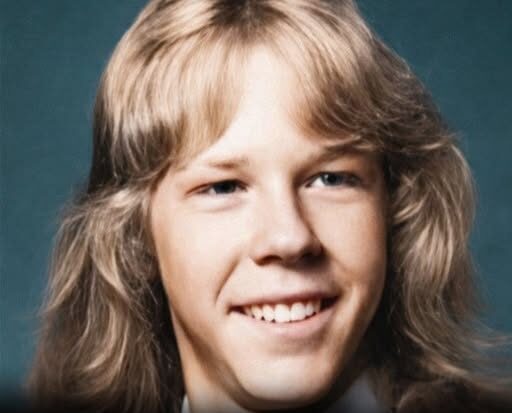
James Hetfield’s Journey From Childhood Hardship to Defining a Generation of Music
A Life Marked by Struggle and Strength
Some lives unfold through a series of events that seem almost larger than reality, shaped by hardship, loss, and determination.
For James Hetfield, these experiences were not distant memories but defining forces that shaped both his identity and his music.
Before becoming one of the most recognized figures in rock, his early years were filled with emotional challenges that would later influence his creative direction.
His story reflects how deeply personal experiences can shape an artist’s voice and purpose.
Early Life and Family Background
James Hetfield was born on August 3, 1963, into a family that combined artistic influence and working-class values.
His mother was a light opera singer, bringing music into the home, while his father worked as a truck driver.
He grew up in a blended family that included two older half-brothers and a younger sister.
Despite these connections, his upbringing carried a sense of emotional distance that would remain with him.
His early environment played a significant role in shaping how he viewed the world.
Growing Up Within Religious Boundaries
His parents followed Christian Science, a belief system that rejected modern medical treatment.
This had a direct impact on his childhood, particularly in school settings.
He was often excluded from health-related lessons, which made him feel different from his peers.
“It was very alienating for me as a child, being raised in this religion and how I couldn’t attend certain health classes at school. They’d get their health books out and I wasn’t supposed to learn about the body because ‘this is just a shell for your soul’ and all of this,” the star once shared.
These experiences contributed to a sense of isolation during his formative years.
A Sudden Family Disruption
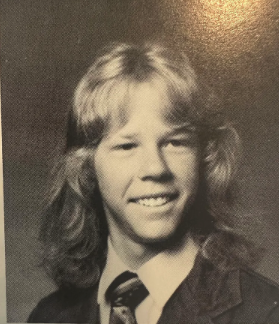
At the age of 13, Hetfield experienced a major turning point when his father left the family.
This happened while he was away at church camp, leaving him unaware of the situation until later.
His mother initially described the absence as a business trip, delaying the full understanding of what had happened.
In 1976, the divorce became official, marking a clear shift in his family life.
The event added another layer of uncertainty to an already difficult upbringing.
Searching for Identity and Belonging
Following the separation, Hetfield turned to activities like music and football in search of stability.
These outlets offered moments of focus, but they also came with their own challenges.
When his football coach insisted that he cut his hair, it became a symbol of the pressure to conform.
He found himself caught between external expectations and his desire to remain true to himself.
“It felt lonely,” he told The New Yorker. “I didn’t get it. I thought something was wrong with me.”
A Profound Loss
Shortly after his parents’ divorce, Hetfield faced an even more devastating event.
His mother became seriously ill with cancer but chose not to pursue medical treatment due to her beliefs.
He was left to watch her condition worsen, unable to intervene.
“We watched her wither to nothing,” the singer remembered.
This experience left a deep emotional impact that would stay with him for years.
Finding Direction Through Music
After his mother’s passing, Hetfield moved in with his older half-brother David.
Without a clear outlet for his grief, he turned to music as a way to cope.
He began dedicating more time to practicing and exploring different sounds.
Music provided a sense of purpose and an escape from the challenges he faced.
It became a central part of his identity during this period.
Early Band Experiences
Hetfield joined several bands, including Obsessions, Syrinx, Phantom Lord, and Leather Charm.
These early projects allowed him to develop his skills and gain experience as a performer.
Although he struggled with songwriting at first, he remained committed to improving.
“I couldn’t write a lyric to save my life,” he later admitted.
These experiences laid the groundwork for his future success.
Developing a Unique Sound
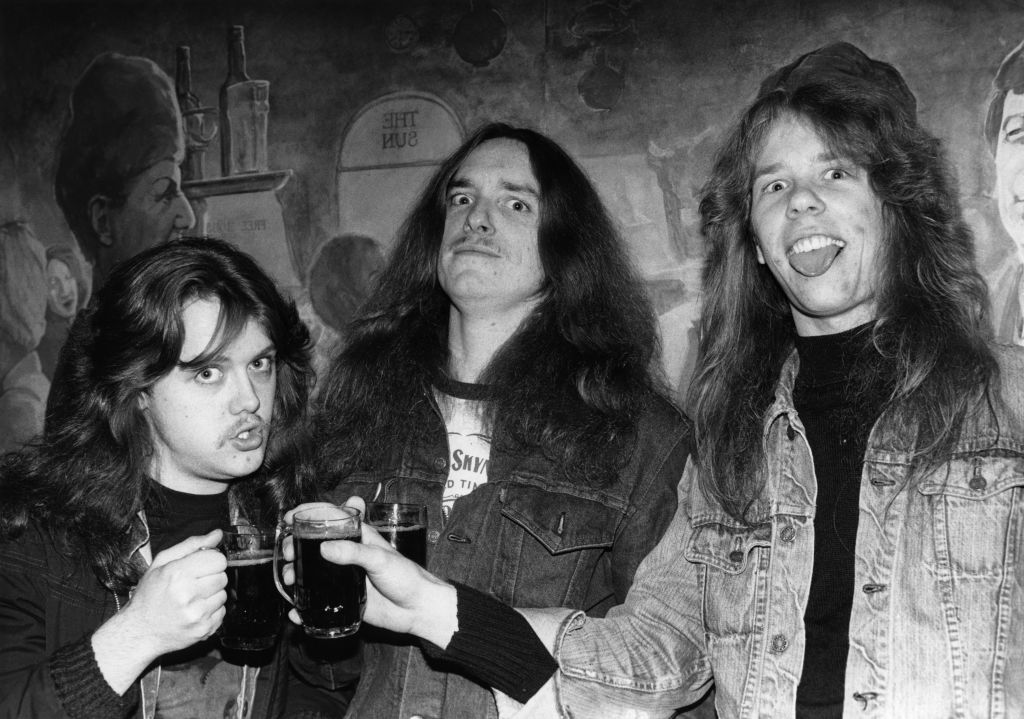
Instead of focusing on lyrics alone, Hetfield leaned into creating powerful guitar riffs.
His style emphasized energy, speed, and intensity.
This approach allowed him to express emotions that were difficult to put into words.
“I wanted it to be freedom from school, from work, from the typical music that we were hearing,” he recalled to NPR. “It was a way to get away from my screwed-up family.”
Through this process, he began to shape a sound that would later define his career.
Music as a Voice
For Hetfield, music became more than a creative outlet.
It was a way to communicate feelings he could not express otherwise.
“Music was the voice I didn’t have. I was pretty much afraid of everything… afraid of the world, afraid of speaking. [I was a] really, really shy kid. Music was a way to speak,” he explained.
This realization marked a turning point in how he approached both life and art.
It gave him a sense of direction and confidence.
A Life-Changing Connection
In the early 1980s, Hetfield connected with drummer Lars Ulrich through a local newspaper advertisement.
This meeting would have a lasting impact on both of their lives.
They shared a vision of creating music that was heavier and more authentic.
Their partnership quickly evolved into something significant.
It set the stage for the formation of a band that would change the music landscape.

The Birth of Metallica
Together, Hetfield and Ulrich formed Metallica, a band that would go on to redefine heavy metal.
Their music combined aggressive instrumentation with deeply personal themes.
This approach resonated with audiences and helped them stand out.
The band’s early work established a strong foundation for future success.
Their sound became influential across the genre.
Building a Lasting Legacy
Albums such as Ride the Lightning, Master of Puppets, and …And Justice for All gained critical recognition.
These releases expanded their audience and strengthened their reputation.
The band’s music reflected both technical skill and emotional depth.
It connected with listeners on multiple levels.
These works became essential parts of rock history.
Reaching Global Success
The release of The Black Album in 1991 marked a major milestone.
With songs like “Enter Sandman” and “Nothing Else Matters,” Metallica reached a global audience.
This period brought widespread recognition and commercial success.
The band’s influence extended beyond traditional genre boundaries.
Their music became widely accessible to new listeners.
The Challenges Behind the Success
Despite their achievements, the pressures of fame began to take a toll.
Years of touring and unresolved personal issues affected Hetfield’s well-being.
Struggles with addiction and anger became more visible.
These challenges highlighted the complexities of life in the spotlight.
They also underscored the need for change.
A Turning Point in 2001
In 2001, Hetfield entered rehabilitation, marking a significant moment in his life.
This decision reflected a commitment to addressing his struggles.
”Recovery is the most difficult and challenging thing I’ve ever attempted (along with parenting),” he wrote. ”[It’s] also the most grounding and gratifying gift I’ve ever received (along with parenting).”
The process required dedication and support.
It also became a turning point for his future.
Honest Reflection Through Film
The band’s journey during this period was documented in Some Kind of Monster.
The film provided a candid look at their internal challenges.
It revealed moments of vulnerability, conflict, and rebuilding.
This transparency offered a deeper understanding of their experiences.
It also showed the human side of success.
Facing Struggles Directly
Hetfield chose to confront his difficulties rather than avoid them.
This approach earned respect from those around him.
It demonstrated a willingness to grow and change.
His journey became a powerful example of resilience.
It showed that progress is possible even in difficult circumstances.
Music as a Lifelong Support
Throughout his life, Hetfield has viewed music as a form of therapy.
”My music and lyrics have always been a therapy for me,” he once said. ”Without this God-given gift, I don’t know where I’d be.”
This perspective highlights the deep connection between his experiences and his work.
Music continues to play a central role in his life.
It remains a source of expression and stability.
A Career That Continues to Evolve
More than 40 years into his career, Hetfield remains active as a performer.
He continues to contribute to the evolution of his band’s sound.
His longevity reflects both dedication and adaptability.
It also demonstrates the lasting impact of his work.
His presence in music remains strong.
A Story of Resilience and Purpose
James Hetfield’s journey extends beyond music.
It is a story of overcoming hardship and finding meaning through creativity.
His experiences shaped not only his career but also his perspective.
They contributed to a legacy that continues to inspire.
His story highlights the power of perseverance.
A Lasting Influence
Through his work, Hetfield has influenced countless artists and listeners.
His ability to channel personal experiences into music has left a lasting mark.
The impact of his journey continues to be felt across generations.
His contributions have shaped the direction of modern music.
They remain significant today.
A Powerful Legacy
James Hetfield did more than help define a genre.
He demonstrated how challenges can be transformed into meaningful expression.
His life reflects both difficulty and possibility.
It stands as a reminder of the strength found in perseverance.
His legacy continues through the music he created and the story he lived.