
Lindsay Clancy Trial Juror Speaks Out After 11–1 Deadlock, Mistrial, and Alleged Death Threats
Juror at Center of Lindsay Clancy Mistrial Faces Growing Public Attention
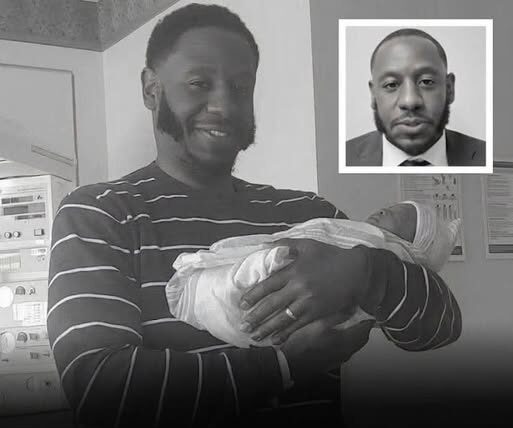
Michael P. Desronvil, a 48-year-old juror in the Lindsay Clancy case, has become the focus of intense public attention following a jury deadlock that resulted in a mistrial on September 4.
Desronvil was the only juror who maintained a position different from the other 11 members of the panel. The 11–1 division prevented the jury from reaching a unanimous decision.
The case concerns the deaths of Clancy’s three young children in January 2023 and has involved significant questions about her mental condition at the time of the killings.
Clancy’s defense argued that she was experiencing severe postpartum psychosis, a psychiatric condition that became central to the competing interpretations of her actions.
Desronvil, however, maintained that Clancy understood what she was doing. His position ultimately differed from that of every other juror.
Following the mistrial, attention shifted from the courtroom proceedings to Desronvil himself, with his attorney describing threats, exposure of personal information, and concerns about his safety.
How an 11–1 Jury Division Led to a Mistrial
The jury’s inability to reach a unanimous decision brought the proceedings to a halt without a final verdict.
Eleven jurors reached one conclusion, while Desronvil remained committed to another interpretation of the evidence and Clancy’s mental state.
The difference was decisive because the jury could not resolve its disagreement through further deliberation.
As the sole holdout, Desronvil subsequently became a prominent figure in the discussion surrounding the case.
His position focused on whether Clancy understood her actions when she killed her three children, a question directly related to the defense’s argument concerning postpartum psychosis.
The deadlock illustrated the difficulty of reaching a unanimous conclusion when jurors interpret the same central issue differently.
Although the panel had heard the case together, the jurors did not ultimately agree on how the relevant circumstances should be assessed.
The September 4 mistrial therefore left the legal proceedings unresolved rather than producing a conclusive determination.
A mistrial resulting from a deadlocked jury does not itself establish guilt or innocence. Instead, it reflects the inability of the jury to return the required unanimous verdict.
Desronvil Explains His Position on Clancy’s Mental State
Desronvil has maintained that he believed Clancy understood the nature of her actions during the January 2023 killings.
His conclusion differed from the central position presented by the defense, which argued that severe postpartum psychosis played a crucial role in what occurred.
The disagreement concerned a particularly difficult question: how Clancy’s psychological condition should affect the legal assessment of her conduct.
For Desronvil, the information presented did not change his conviction that she possessed an understanding of her actions.
That position remained firm despite the opposing views of the other jurors.
His refusal to abandon his interpretation was sufficient to prevent a unanimous verdict, making his individual assessment one of the most consequential aspects of the proceedings.
The public attention surrounding his decision highlights the distinction between a jury’s collective responsibility and each juror’s obligation to reach an individual judgment.
In this case, the disagreement did not involve a narrow numerical margin. Desronvil stood alone against the conclusions of the remaining 11 jurors.
Nevertheless, the legal significance of the division rested on the absence of unanimity, not simply on the number of jurors supporting either position.
Postpartum Psychosis Argument Remains Central to the Case
The defense’s position concerning severe postpartum psychosis was a key element of the case against Lindsay Clancy.
Postpartum psychosis is a serious psychiatric condition that can involve profound disturbances in a person’s perception, thinking, and behavior after childbirth.
However, the presence or claimed presence of a psychiatric condition does not automatically resolve questions about criminal responsibility.
The legal assessment depends on the circumstances of the case and the applicable standards for evaluating a defendant’s mental state.
In the Clancy proceedings, the defense sought to establish the significance of her alleged psychiatric condition, while Desronvil remained convinced that she understood her actions.
These competing interpretations became central to the disagreement that prevented the jury from reaching a verdict.
The mistrial did not conclusively settle the issue of Clancy’s mental state.
Nor did it establish that either the defense’s explanation or Desronvil’s assessment had been legally accepted as the final conclusion.
The unresolved disagreement demonstrates how questions involving psychiatric conditions can become particularly consequential in criminal proceedings.
Who Is Michael P. Desronvil?
Desronvil is 48 years old and has been identified as a Black Catholic and conservative Christian.
His parents are Haitian immigrants, a detail that has become part of the public information surrounding his background.
These personal characteristics provide context about the individual who became the sole holdout, although they do not establish why he reached his particular conclusion.
His stated position centered on his belief about Clancy’s awareness of her conduct, rather than on any publicly established connection between his religious or family background and the verdict.
The attention he received after the mistrial placed aspects of his personal identity alongside scrutiny of his role as a juror.
That attention also raised questions about the boundary between public examination of court proceedings and the personal privacy of individuals selected to serve on juries.
Jurors are expected to consider the evidence and reach decisions within the framework of the court’s instructions, even when their conclusions differ from those of fellow jurors.
At the same time, disagreement over a verdict does not remove the importance of protecting jurors from threats or intimidation.
Attorney Says Desronvil Experienced Doxxing and Death Threats
Following the mistrial, Desronvil’s attorney described serious concerns about his client’s safety.
The attorney said Desronvil had experienced doxxing, a term referring to the exposure or circulation of someone’s private identifying information.
He also alleged that Desronvil had received death threats.
These claims added a new dimension to the controversy surrounding the case, shifting attention toward the potential personal consequences of serving as a juror in a highly scrutinized proceeding.
The allegations are serious, although the information available does not establish who was responsible for the alleged threats or provide independent findings concerning their origin.
According to his attorney, the safety concerns became significant enough that Desronvil had to relocate.
The reported relocation suggests the extent to which his legal representative believes the events affected his personal security and daily life.
The situation has also prompted discussion about how public attention can affect individuals whose jury service places them in the middle of contentious legal disputes.
While jurors’ decisions may be examined and criticized, threats and exposure of private information raise separate concerns that extend beyond disagreement with a verdict.
Fundraiser Approaches $400,000 Amid Safety Concerns
A fundraising campaign established to assist Desronvil has approached $400,000.
The funds are intended to help address security expenses, legal costs, and wages reportedly lost as a result of the situation.
The substantial fundraising total reflects the level of financial support directed toward Desronvil following the mistrial and the allegations involving his safety.
Security-related costs are among the stated purposes of the campaign, consistent with the attorney’s account that Desronvil needed to take protective measures.
Legal expenses are another stated concern, particularly as questions surrounding his jury service continue to receive attention.
The inclusion of lost wages indicates that the campaign also seeks to address the reported financial consequences affecting his employment or ability to work.
However, the fundraising total should not be interpreted as evidence resolving the legal questions surrounding the mistrial or the allegations involving the juror.
Financial support and public opinion are separate from the court’s responsibility to assess claims of misconduct and determine their legal significance.
The campaign’s approach toward the $400,000 mark nevertheless represents an important development in the aftermath of the jury deadlock.
Clancy’s Defense Requests Investigation Into Alleged Juror Misconduct
In a separate development, Lindsay Clancy’s legal team has asked the court to investigate allegations of misconduct involving Desronvil.
The request introduces another legal issue following the September 4 mistrial.
While Desronvil’s attorney has described threats and safety concerns directed at him, Clancy’s defense has raised questions concerning his conduct as a juror.
These are distinct matters that require separate consideration.
The existence of a request for investigation does not establish that misconduct occurred. It indicates that the defense believes the allegations warrant examination by the court.
The information provided does not specify the full nature of the alleged misconduct or identify any final judicial findings concerning those allegations.
Consequently, it would be premature to describe the claims as proven violations of jury rules or courtroom obligations.
The defense’s request may nevertheless become an important part of the proceedings following the mistrial.
Questions about juror conduct can have legal consequences when courts determine that relevant rules or protections may have been compromised.
Whether that applies here remains a matter for judicial assessment rather than public assumption.
Two Separate Controversies Emerge Following the Verdict Deadlock
The aftermath of the Clancy mistrial now involves two separate areas of concern.
The first relates to Desronvil’s personal security, including allegations of doxxing, death threats, and the need to relocate.
The second involves the defense’s request for an investigation into alleged misconduct connected to his jury service.
Although both developments concern the same individual, neither automatically proves or disproves the other.
Desronvil’s attorney has described circumstances suggesting that public attention created significant risks for his client.
Clancy’s legal representatives, meanwhile, have sought court scrutiny of allegations they believe should be examined.
Both matters require care in distinguishing claims from established findings.
The jury deadlock itself remains a documented outcome of the proceedings, but the surrounding allegations introduce additional questions that have not been resolved in the information available.
Those distinctions are particularly important because public discussions of controversial criminal cases can quickly blur the difference between courtroom facts, legal arguments, and unverified accusations.
What the Mistrial Means for the Lindsay Clancy Case
The September 4 mistrial marked a significant turning point, but it did not produce a final resolution of the criminal case.
The central disagreement concerned Clancy’s mental state during the deaths of her three children in January 2023.
Eleven jurors reached one position, while Desronvil maintained a different conclusion.
Because the disagreement remained unresolved, the jury could not return a unanimous verdict.
At the same time, the aftermath has expanded beyond the original questions presented to jurors.
The reported threats against Desronvil, the fundraising campaign approaching $400,000, and the defense’s request for an investigation into alleged misconduct have all become part of the broader situation.
Each development carries a different significance.
The mistrial concerns the jury’s inability to agree. The safety allegations concern potential threats against an individual juror. The misconduct allegations concern questions the defense wants the court to examine.
Understanding those distinctions is necessary to avoid treating unresolved claims as established facts.
Unanswered Questions Remain After September 4 Mistrial
Michael P. Desronvil’s role as the sole holdout has made him a central figure in the continuing discussion surrounding Lindsay Clancy’s case.
His stated belief that Clancy understood her actions stood in opposition to the conclusions of the other jurors and to the defense’s emphasis on severe postpartum psychosis.
The resulting 11–1 deadlock prevented a unanimous verdict and brought the proceedings to a mistrial.
Since then, his attorney has alleged threats and harassment serious enough to force him to relocate, while financial supporters have contributed to a campaign intended to cover security, legal expenses, and lost income.
Separately, Clancy’s legal team has asked the court to investigate allegations concerning his conduct during jury service.
The available information does not establish the outcome of that request, the identity of anyone allegedly responsible for threatening Desronvil, or a final resolution of the underlying criminal case.
For now, the central legal questions remain unsettled.
The case illustrates the complexity of criminal proceedings involving disputed mental-state evidence, the importance of impartial jury deliberations, and the need to distinguish legitimate examination of courtroom decisions from threats directed at individual participants.
As the legal issues surrounding the mistrial are addressed, the fundamental distinction remains unchanged: a deadlocked jury represents an unresolved proceeding, while allegations arising afterward must be assessed on their own evidence.