
The Better Way to Cook Eggs: Why Steaming Beats Boiling Every Time
Most People Cook Eggs the Same Way
For most home kitchens, cooking eggs follows a routine that rarely changes.
Eggs go into a pot of water, the heat is turned on, and everything depends on timing. A few minutes too long or too short can completely change the result.
Sometimes the shells crack. Sometimes the whites turn rubbery. And peeling often becomes more difficult than expected.
It works—but not always well.
That’s why many people are surprised to learn there is a simpler and more reliable method used in professional kitchens.
The Common Problem With Boiling Eggs
Boiling eggs directly in water exposes them to high, aggressive heat.
The constant movement of boiling water can cause eggs to bump into each other or the pot, increasing the chances of cracking.
Even when the shell stays intact, the texture can suffer. Egg whites may become too firm, while yolks can overcook quickly if the timing is not exact.
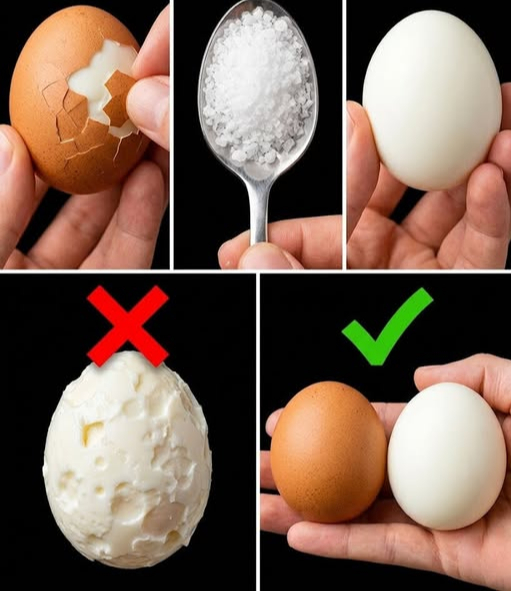
Another common frustration is peeling. Many people struggle to remove the shell cleanly, often damaging the surface of the egg in the process.
These issues are not unusual—they are simply a result of how boiling water behaves.
The Professional Method: Steam Instead of Boil
In many professional kitchens, eggs are not fully submerged in water.
Instead, they are cooked using steam.
This means placing eggs above boiling water and allowing the steam to cook them gently and evenly.
It is the same principle used in many modern egg cookers, which rely on steam rather than direct water contact to produce consistent results.
This small change in technique can make a noticeable difference.
Why Steaming Works Better
Steam provides a more controlled cooking environment.
Unlike boiling water, which moves and shifts constantly, steam surrounds the egg with steady heat.
This reduces the chances of overcooking and helps maintain a more balanced texture throughout the egg.
The whites tend to stay tender, while the yolks can remain smooth and creamy, depending on cooking time.
Because the heat is less aggressive, the risk of cracking is also reduced.
How to Cook Eggs Without Boiling in Water
This method is simple and can be done with basic kitchen tools.
Step 1: Prepare the Water
Add about 1 inch (2–3 cm) of water to a pot and bring it to a boil.
Step 2: Position the Eggs
Place a steamer basket inside the pot and arrange the eggs so they sit above the water, not in it.
Step 3: Cover and Cook
Cover the pot with a lid to trap the steam. Allow the eggs to cook based on your preferred texture.
Soft eggs take about 6–7 minutes, medium eggs 8–10 minutes, and fully cooked eggs around 11–12 minutes.
Step 4: Cool Immediately
Once cooking is complete, transfer the eggs into cold or ice water.
This step stops the cooking process and helps preserve the texture. It also makes peeling significantly easier.
The Biggest Advantage: Easy Peeling
One of the most noticeable benefits of steaming is how easily the shells come off.
Steam changes how the egg white separates from the shell, allowing it to release more cleanly.
Instead of sticking and tearing, the shell often slides off smoothly, leaving the egg intact.
This can make a big difference, especially when preparing multiple eggs at once.
Other Gentle Cooking Techniques
Professional kitchens often use other low-heat methods as well.
Poaching cooks eggs in hot water that is not boiling, creating a soft and delicate texture. Coddling involves cooking eggs slowly in a container placed in warm water.
These techniques all follow the same idea: controlled heat leads to better results.
Common Mistakes to Avoid
Even with a simple method, a few mistakes can affect the outcome.
Using very high heat can lead to overcooking, while skipping the cooling step can make peeling more difficult.
Timing is also important, as even a small difference can change the texture of the yolk.
Why This Method Is Becoming So Popular
Steam cooking has gained attention because it removes much of the guesswork.
It is simple, consistent, and does not require special equipment beyond a basic pot and steamer.
Many people find that once they try this method, it becomes their preferred way to cook eggs.
Final Thoughts
Cooking eggs without boiling them directly in water is a small adjustment that can lead to better results.
By using steam, it becomes easier to control texture, reduce cracking, and simplify peeling.
It shows how even simple kitchen techniques can improve everyday cooking when approached with the right method.
With practice, this approach can become a reliable and effective way to prepare eggs at home.
This article is for informational and educational purposes only.