
Abdul El-Sayed Had Two Words for JD Vance After His Historic Michigan Senate Win
The senator-elect said “JD, habibi” before joking about his January swearing-in and the Michigan–Ohio State rivalry
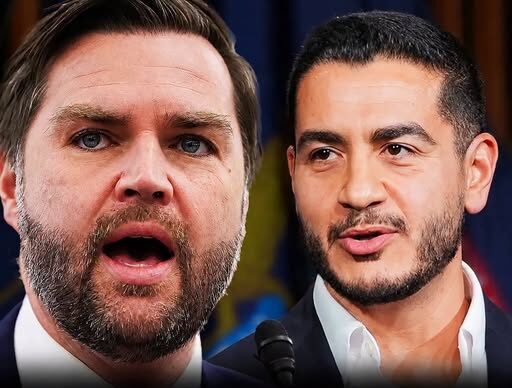
Abdul El-Sayed had just declared victory in Michigan’s U.S. Senate race when he turned his attention to Vice President JD Vance. Speaking to supporters in Detroit early on November 4, 2026, the Democrat addressed him with an Arabic term of affection. “JD, habibi,” he said, before bringing up the possibility that Vance would administer his oath of office in January.
El-Sayed defeated Republican former Rep. Mike Rogers in the race for the seat vacated by retiring Democratic Sen. Gary Peters. The Associated Press called the race after El-Sayed’s speech. A former public health official and the son of Egyptian immigrants, he is set to become the first Muslim to serve in the U.S. Senate.
How a Senate ceremony became a college rivalry joke
“Habibi” is an Arabic term of endearment that can mean “my dear.” El-Sayed used it to set up a joke about the two men meeting at the start of the next Congress. Then he borrowed a line from one of college football’s best-known rivalries. “Wolverine one, Buckeye zero,” he said, invoking Michigan and Ohio State.
The joke drew on Senate tradition. The vice president, who serves as president of the Senate, typically administers the oath when a new Congress convenes. If the vice president is absent, the Senate president pro tempore can administer it instead. The ceremony gave El-Sayed an occasion to imagine how he and Vance might meet after the campaign.
El-Sayed also addressed President Donald Trump. Referring to how Trump had said his name during the campaign, he suggested the president could simply call him “senator” after the swearing-in.
What El-Sayed said about faith and belonging
Earlier in the speech, El-Sayed introduced himself by his full name, Abdulrahman Mohamed El-Sayed. He said his opponents had used his name and Muslim faith to cast doubt on whether he belonged in public office. He argued that the attacks had a wider target, including Americans whose families came from elsewhere or whose faith differed from that of their neighbors.
He also recalled the places where Michigan voters had welcomed him during the campaign, from churches and synagogues to union halls and veterans’ posts. Those encounters gave his remarks a local focus. He thanked people for opening their doors, sharing their concerns, and giving his campaign a chance.
The issues he plans to take to Washington
El-Sayed used the victory speech to return to the policies he had campaigned on. He called for reducing the influence of money in politics, easing pressure on household budgets, and passing Medicare for All. Those priorities echoed the call-and-response that opened his remarks, when supporters supplied the last word of each campaign pledge.
The January swearing-in gave El-Sayed a line for election night. Once in office, he’ll face the longer task of turning those pledges into legislation.