
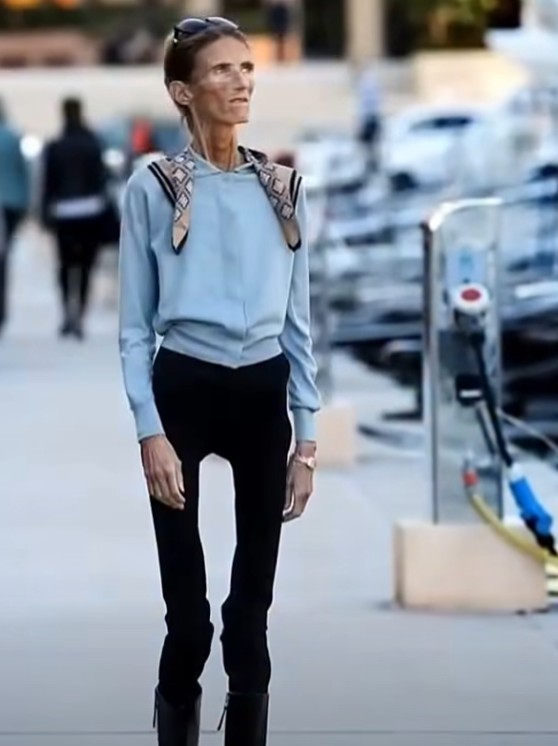
Valeria Levitina’s Story and the Pressure to Meet Unrealistic Beauty Standards
Public Attention to Her Appearance Raised Questions About Body Image
Valeria Levitina drew widespread attention after reports of severe weight loss. Much of the interest centered on her appearance, but the questions her experience raised reach into everyday life. They concern how people learn to judge their bodies, how extreme dieting can affect well-being and how someone struggling with food or body image can ask for support without feeling ashamed.
There are limits to what anyone can learn about a person’s life from the way they look. A viewer can see a physical change while knowing very little about the experiences surrounding it. That gap matters when a private difficulty becomes a subject of public conversation. The more attention a story receives, the easier it can be for assumptions to travel alongside the details people actually know.
How Everyday Comparisons Can Put Appearance at the Center of Attention
Ideas about attractiveness come from many places. Advertising, television and fashion can repeatedly feature a narrow range of body shapes, while social media brings those same expectations into a space where people also see friends, relatives and classmates. The variety of people in someone’s daily life can look quite different from the selection that appears on a screen.
Over time, seeing the same features praised repeatedly can change what a person pays attention to in their own appearance. Someone may start by admiring an outfit and end up comparing how it looks on their body with how it looked online. A clothing size or a number on a scale can take on more personal significance than the information it actually provides.
Beauty standards also change. A look celebrated at one point may give way to another, even though the people expected to follow those trends still have the same bodies and the same lives. That instability helps explain how exhausting it can be to depend on outside approval for a sense of confidence.
What Can Get Lost When Dieting Becomes About Appearance
When a diet is discussed mainly in terms of a visible result, the conversation can leave out what it costs someone to follow it. Food supplies the energy and nutrients people need to get through their days. Severe or prolonged restriction can leave someone feeling weak or tired and contribute to nutritional deficiencies and other health problems.
The emotional effects deserve attention too. A person preoccupied with food or appearance may find that those worries follow them into situations they once enjoyed. Eating with friends, choosing clothes or getting ready to leave the house can feel more difficult when worries about body image are already taking up much of their attention.
Levitina’s experience has often been discussed in connection with extreme dieting. Eating difficulties can involve emotional, psychological, social and physical factors, and those factors vary from person to person. Recognizing that complexity makes room for the person’s own account of what is happening and for support suited to their circumstances.
Social Media Offers Community and Creates Opportunities for Comparison
Social platforms can help people find others who understand an experience they have struggled to talk about. They can also put a steady stream of carefully selected images in front of the same person. An image may have been edited, taken under particular lighting or chosen from many attempts. The viewer sees the frame that made it through that process.
Comparisons can feel especially immediate when the images come from people a viewer knows. Someone seeing a friend’s carefully chosen post may compare it with an ordinary moment in their own day. The experience can feel personal even though the two moments were captured and shared under different circumstances.
For young people still forming ideas about themselves, adults can help put those images in context. A parent or educator can ask what someone notices about a post, why they think it was shared and what the image leaves outside the frame. That kind of conversation gives young people a way to describe the pressures they notice for themselves.
Support Can Start With How Someone Feels
Talking about food or body image can be difficult, particularly for someone who worries that their concerns will be dismissed or that the conversation will turn into comments about their weight. A trusted friend or relative can make it easier to speak by listening and giving the person time to say what has been troubling them.
A conversation may begin with an ordinary observation. Someone might mention that they have been feeling isolated, find meals stressful or spend a lot of time worrying about their appearance. Those are experiences they can describe in their own words. Listening to what they choose to share gives the conversation a focus beyond anything another person can see.
For persistent concerns about eating or body image, a qualified healthcare professional can help assess what is happening and discuss appropriate support. A trusted person may help with that first step if the individual wants their company. What someone needs will depend on the difficulties they are experiencing and their individual circumstances.
Respect Matters When Someone’s Appearance Becomes Public
Public attention can leave people feeling entitled to comment on a stranger’s body. A photograph is easy to share, and a reaction can be posted in seconds. The person being discussed has to live with the possibility that an image will be passed around with captions that bear little relation to what was happening in their life.
Respectful coverage gives readers enough context to understand why a story matters. In Levitina’s case, that means paying attention to the pressures that make extreme dieting seem appealing and the barriers that can make it hard to seek support. Repeating descriptions of a person’s body adds little to that understanding and can draw attention away from the experience itself.
Making Room for a Healthier Relationship With Food and Body Image
People have different nutritional needs, daily routines and personal circumstances. A varied, nourishing diet can be part of caring for those needs. People concerned about how to meet them can seek guidance that accounts for their own situation, especially when advice online encourages severe restriction or treats a particular appearance as proof of good health.
It can also help to notice how certain accounts affect the way a person feels after using social media. Some may offer companionship or a useful perspective, while others may leave someone dwelling on comparisons. Paying attention to that response gives people a practical way to decide what they want to keep seeing in their daily lives.
Levitina became known to many people through coverage of her physical condition. The more personal questions her story raises are the ones an image leaves unanswered. What makes it easier for someone to say that they are struggling? Who will listen when they do? Those questions give families, friends and readers a way to approach the subject with the care it deserves.