
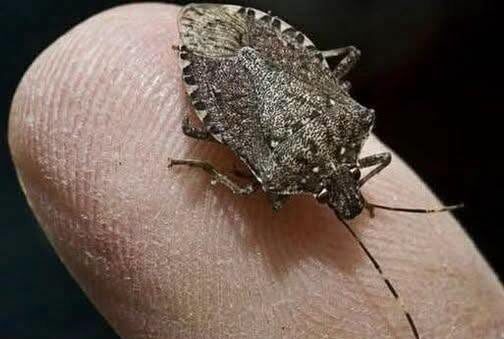
Why Stink Bugs Keep Showing Up at Your Windows and How to Keep Them Out
Peppermint Spray May Discourage Them, but Closing the Gaps They Use to Enter Is More Reliable
A stink bug on a curtain or near the ceiling is easy to miss until it moves. The problem becomes harder to ignore if the insect is disturbed or crushed and releases the strong odor that gives it its name. Once you’ve removed one, it’s worth taking a closer look at the nearby window or door, especially if more bugs keep appearing in the same area.
During cooler months, stink bugs look for sheltered places. A house offers plenty of them, and the insects can get inside through gaps that are easy to overlook. A homemade peppermint spray is one option some households try, but repairing those openings addresses how the bugs are getting indoors in the first place.
Where Stink Bugs Find Their Way Inside
Windows and doors deserve a close look because each has several possible entry points. A window screen can have a tear, sit unevenly in its frame, or leave a gap along one edge. A door can look closed from across the room while still leaving enough space underneath for insects to pass through.
Openings around pipes and vents can also provide a way inside. These spots are easy to miss during everyday cleaning because many are tucked away from the areas people use most. Garage entrances and small cracks around frames are other places to check when you’re looking for openings.
Finding a stink bug high on a wall or on a curtain tells you where it ended up. Its route into the room may be less obvious. If insects keep turning up nearby, checking the frame, screen, and surrounding openings can be more useful than focusing on the exact spot where you found the last one.
What a Homemade Peppermint Spray Can Do
Peppermint spray is sometimes used to make selected areas less attractive to stink bugs. Its effectiveness varies, so a treated window or doorway can still admit insects if the gaps around it are open. The spray makes the most sense as an optional addition to repairs you can make around common entry points.
The homemade mixture uses two cups of water, 10 to 15 drops of peppermint essential oil, and a small amount of liquid dish soap in a clean spray bottle. The ingredients can separate between uses, so shake the bottle gently before applying the mixture.
A light mist around a suitable window frame, doorway, or garage entrance is enough to apply it without soaking the surface. Essential oils can affect some materials, so test a small, hidden spot first. A mark on a visible frame or finish can be a more persistent nuisance than the insect you were trying to discourage.
If bugs continue to appear after you’ve tried the spray, use their location as a clue about where to inspect next. Adding more spray around a damaged screen leaves the tear in place. Fixing the screen addresses the opening regardless of how the insects respond to peppermint.
Be Careful With Peppermint Oil Around Pets
Some essential oils, including peppermint oil, can irritate or harm animals. Households with cats or small pets should take particular care before treating areas the animals can reach. An open window ledge or a doorway may look like a good place to apply the mixture, but it may also be part of a pet’s daily route through the house.
Keep pets away from treated areas and avoid spraying near their food or bedding. Think about where the mist can settle as well as where you aim the bottle. If you can’t keep a pet away from a window, screen, or entrance, repairing the gap there gives you a way to address the problem without applying peppermint oil.
Small Repairs Can Make a More Lasting Difference
Start with the damage you can see. Repair torn screens and check that they fit securely when put back in place. A screen can be intact and still leave an opening if it sits loosely against the frame, so check the edges as well as the mesh.
Doors are another common place to find a gap. Look along the sides and bottom when the door is closed. A properly fitted door seal can close a space that would otherwise remain open every time the door shuts. The same check can help at a garage entrance, especially if you routinely find bugs in that area.
Check cracks around window and door frames and gaps around pipes or vents. The openings to address are the unintended spaces around these features. A vent itself has a purpose, so keep it functional while dealing with any surrounding gaps that provide an entry route.
It can help to work one area at a time. If you usually find bugs near a particular window, inspect that window before moving on to the next room. You might find both a screen tear and a gap at the frame. Repairing one still leaves the other open, which is why a close look at the whole area pays off.
How to Deal With a Stink Bug That Is Already Indoors
When a bug is sitting on a curtain or climbing a wall, the immediate goal is to remove it with as little disturbance as possible. Crushing it can release the odor you are trying to avoid. Gentle removal is preferable, especially on fabrics or other surfaces where you would rather avoid leaving a smell.
Once the insect is gone, check the part of the room where it appeared. A single bug may have wandered in through an open door. Repeated sightings give you more reason to examine the nearest screen, frame, or seal. If you find damage there, you have a specific repair to make before the next change in weather.
That approach also helps separate an occasional nuisance from an ongoing entry problem. Removing bugs as you find them clears the room for the moment. Repairing the openings they use can reduce how often you have to deal with them in the first place.
What to Check Before the Weather Cools
Stink bugs tend to seek protected areas as temperatures fall, so a check before cooler weather can help you catch screen damage and worn seals before the insects start turning up inside. Look at the windows you open regularly, the doors that see the most traffic, and any gaps you can see around exterior openings.
Peppermint spray may have a place in that routine if the surfaces are suitable and pets can be kept away from treated areas. The repairs do the more dependable work. A patched screen, a snug door seal, and a closed gap around a frame all reduce the number of places where stink bugs can slip into your home.