
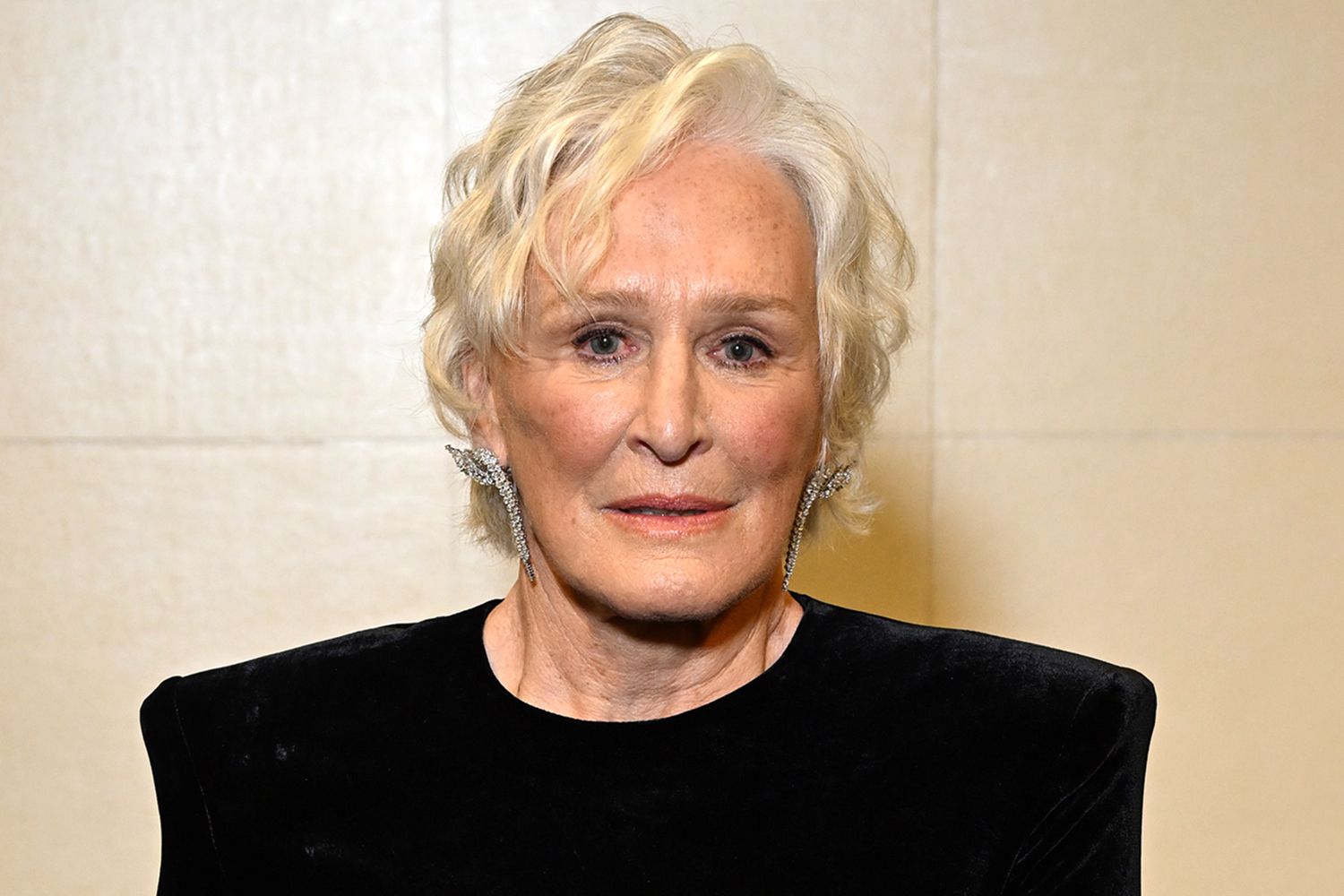
Glenn Close’s Remarkable Career Across Film, Television, and Theater
A Performer Known for Giving Complicated Characters Their Full Weight
Glenn Close has built a career around characters who are difficult to simplify. Across film, television, and theater, her performances have brought intensity and precision to women whose motives, ambitions, and vulnerabilities demand close attention.
Her work ranges from The World According to Garp and The Big Chill to Fatal Attraction, Dangerous Liaisons, and The Wife. On television, her portrayal of attorney Patty Hewes in Damages established another distinctive role within an already varied career.
The range matters as much as the recognition. Close has moved between different forms of performance while continuing to take on characters who require more than an immediately sympathetic or easily understood presence.
Academy Award nominations, Emmy Awards, and a Golden Globe have recognized different parts of that work. Together, they reflect a career sustained across changing roles and professional settings.
Beyond acting, her involvement in mental health advocacy has added another dimension to her public life. That commitment exists alongside a body of work that remains central to discussions of her generation’s leading performers.
Early Training Led to a Career on Stage
Close was born on March 19, 1947, in Greenwich, Connecticut. Before becoming a professional actress, she studied drama at the College of William & Mary.
Her professional beginnings were in theater. She made her Broadway debut during the 1970s and developed a reputation as a compelling stage performer.
The stage was an important foundation rather than merely a preliminary step toward movies. Her work there attracted critical attention and brought awards and nominations before her screen career became widely established.
Theater also remained one of the forms through which she continued expressing her range. Her later success in film and television did not make the stage disappear from her professional identity.
That continuity distinguishes a career built across several mediums. Close’s reputation emerged through performances in different settings, each adding to the understanding of what she could bring to a role.
By the time movie audiences encountered her, she had already developed a substantial commitment to acting. Her transition to the screen introduced that experience to a wider public.

The World According to Garp Established Her Screen Presence
Close made her film debut in The World According to Garp. The performance earned an Academy Award nomination and quickly established her as an actress whose screen work deserved attention.
A debut can introduce a performer without fully revealing the direction of a career. In Close’s case, the recognition offered an early indication of the substantial place film would occupy in her work.
She subsequently appeared in The Big Chill and The Natural, expanding the group of performances through which audiences came to know her. Those films became part of an increasingly varied screen career.
The significance of this period lies in the accumulation of different roles. Rather than becoming associated with only one kind of character, Close continued building a filmography that allowed contrasting qualities to emerge.
That breadth would become particularly visible in the roles that followed. Some of her most recognizable work asked audiences to confront characters whose actions were unsettling or whose intentions resisted easy judgment.
Fatal Attraction Created One of Her Most Discussed Characters
In Fatal Attraction, Close portrayed Alex Forrest. The role became one of the most memorable and controversial parts of her career.
The character attracted attention beyond the immediate experience of watching the film. Discussion of Alex became inseparable from the lasting recognition associated with Close’s performance.
Such a role places particular demands on an actress. A character can be disturbing without becoming emotionally empty, and a performance can make an audience pay attention without asking it to approve of everything the character does.
Close’s broader reputation for complexity helps explain why Alex remains a central reference point. The role represented a striking example of the intensity she could bring to the screen.
However, it was one performance within a much larger career. Treating it as her defining achievement alone would leave out the variety of work surrounding it.
Dangerous Liaisons provided another prominent example of her willingness to inhabit demanding material. Together with her other films of the 1980s and 1990s, it helped establish a screen presence associated with formidable, layered characters.
Later Film Roles Continued to Bring Recognition
Close continued taking on significant film work beyond the period that first made her widely recognizable. Performances in Albert Nobbs, The Wife, and Hillbilly Elegy brought further Academy Award nominations.
Those nominations extended her record of recognition across different stages of her career. They also demonstrated that her screen work continued to attract attention long after her earliest successes.
The Wife became an especially celebrated performance. Close received a Golden Globe Award for the role, along with another Academy Award nomination.
The recognition added to an established career rather than introducing a sudden new direction. It was another instance of audiences and awards bodies responding to the depth she brought to a character.
Her later film work also broadened the range through which different generations encountered her. A viewer introduced to Close through The Wife might approach her earlier performances with a different point of reference from someone who first saw Fatal Attraction.
That continuing discovery is part of a long acting career. The work remains available to be reconsidered, with later performances drawing attention back to earlier ones.
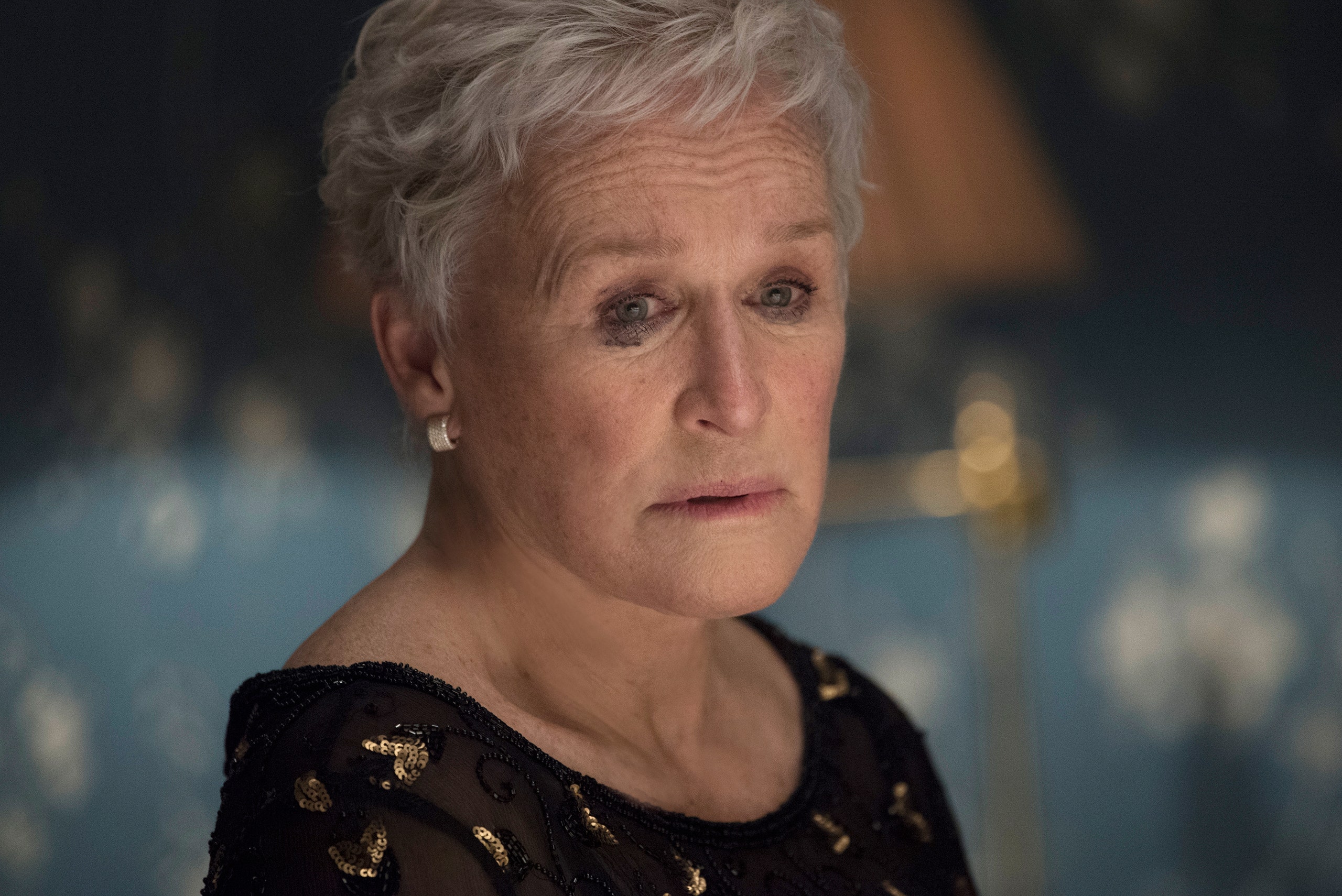
Damages Gave Her Another Distinctive Role
Television offered Close a different setting in which to develop a complex character. In Damages, she played Patty Hewes, a brilliant and ruthless attorney.
The performance earned multiple Emmy Awards. It also became a major part of her television career, standing alongside the film roles for which she was already known.
Patty’s combination of intelligence and ruthlessness fits within the broader interest in difficult characters visible throughout Close’s work. The role required a strong presence without reducing the character to a single quality.
Her success in Damages illustrates the breadth of her professional identity. Recognition in film did not prevent her from making a substantial impression in television.
Likewise, her television work did not replace her connection to theater. The different forms remained parts of a career whose range cannot be captured by one medium alone.
That movement between stage and screen is one reason her work invites such a broad assessment. Her achievements rest on sustained performance across settings with different demands.
Mental Health Advocacy Became Part of Her Public Work
Close’s public commitments also extend beyond acting. She co-founded Bring Change to Mind, an organization dedicated to encouraging open conversations about mental illness.
That work places attention on a subject often difficult to discuss. The emphasis described here is on making conversation possible and raising awareness.
Her advocacy adds to the account of her life without needing to be treated as an explanation for her performances. Artistic work and public service can be meaningful in their own right.
The information provided does not set out the organization’s individual programs or describe specific outcomes. Its established place in this profile is Close’s involvement as a co-founder and her commitment to greater openness around mental health.
A Career Whose Strength Lies in Its Range
Close’s professional history brings together theater beginnings, an acclaimed film debut, demanding screen characters, and award-winning television work. Each part contributes something distinct to her reputation.
Alex Forrest, Patty Hewes, and her role in The Wife are memorable for different reasons. Their place within the same career demonstrates why describing Close through a single performance is insufficient.
Her awards recognize particular achievements, while the larger filmography shows the sustained work connecting them. The career is both a collection of notable roles and a continuing exploration of what different characters require.
From her early stage work to later film recognition and her advocacy beyond entertainment, Glenn Close’s story reflects an enduring commitment to work that asks people to look more closely.