
Molly Meldrum Dies at 83 as Kylie Minogue, Elton John and King Charles Pay Tribute
Australia Remembers an Influential Voice in Music
Molly Meldrum, the Australian music journalist, producer and television personality whose enthusiasm helped bring generations of performers to national attention, has died at 83. His family announced that he died peacefully in Melbourne on Monday, November 23, 2026.
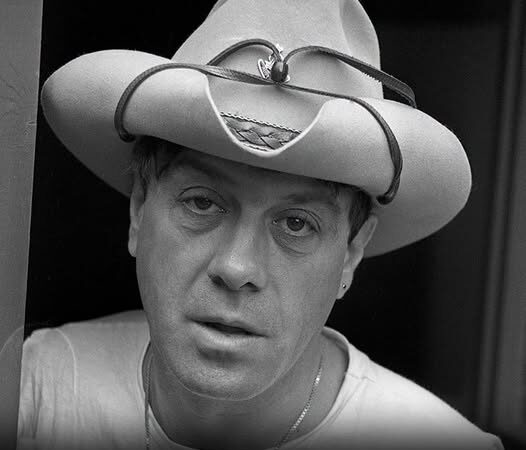
Recognizable by his cowboy hat and expressive presenting style, Meldrum became one of Australia’s most familiar entertainment figures. His work connected audiences with emerging Australian musicians and international performers, making him an important presence in the country’s musical life.
“It is with profound sadness that we announce the passing of Australian music legend, journalist, producer and cultural icon Ian Alexander ‘Molly’ Meldrum AM,” his family said in a statement.
For many viewers, Meldrum was inseparable from Countdown, the television program that brought popular music into Australian homes. His recommendations, interviews and unmistakable excitement helped turn watching the show into a regular experience for music fans.
His death has prompted tributes from performers whose careers he supported and public figures who remembered his personality. Kylie Minogue, Elton John and King Charles were among those acknowledging the broadcaster’s influence and the personal connections he maintained across decades.
How Countdown Made Molly Meldrum a Household Name
Born on January 29, 1943, in Marlo, Australia, Ian Alexander Meldrum became widely known by the nickname Molly. His career encompassed music journalism, production and television, with Countdown providing the platform most closely associated with his public identity.
The program began in 1974. Meldrum initially worked behind the scenes before appearing on camera, where his knowledge of music and enthusiasm soon made him one of its defining personalities.
His presenting style could be unpredictable, but it conveyed the excitement of someone deeply invested in the records and performers he discussed. That enthusiasm became central to his relationship with the audience.
Viewers came to recognize his familiar recommendation: “Do yourself a favor.” The phrase became a lasting part of his public image, associated with his efforts to encourage people to discover music he believed deserved their attention.
Through the program, Meldrum helped provide exposure for performers who were still building their audiences. His support could introduce a song or an artist to viewers who might otherwise have overlooked them.
Countdown continued until 1987, giving Meldrum a sustained presence during an important period for Australian popular music. His association with the show remained strong long after its original run ended.
Supporting Australian Artists and Welcoming International Stars
Meldrum’s influence extended across different styles of music and different stages of an artist’s career. He supported Australian acts while also helping international performers establish connections with audiences in the country.
AC/DC and ABBA were among the groups associated with his musical advocacy. His promotion of ABBA’s Mamma Mia helped the song find success in Australia, illustrating the attention his recommendations could bring to a recording.
His work offered a bridge between performers and listeners. Interviews gave audiences an opportunity to encounter the people behind the songs, while his discussions of new music encouraged viewers to keep listening beyond familiar favorites.
That combination of knowledge and enthusiasm helped distinguish him as both a broadcaster and a supporter of artists. The tributes following his death have reflected those overlapping roles.
For performers, his encouragement represented an opportunity to reach people. For viewers, his appearances were part of discovering the music that would become associated with their own lives.
Kylie Minogue Recalls Watching Before Becoming a Guest
Kylie Minogue’s tribute described a connection that began before her own music career. Like many Australians, she first knew Meldrum as someone appearing on the television in her family home.
“As a kid, I watched Molly Meldrum on Countdown every single weekend, in awe of the show and the magic it brought to our little TV in the lounge room.”
Her memories traced the distance between being a young viewer and becoming a performer who benefited from his encouragement. Meldrum supported her during the early stages of her music career, helping introduce her work to a wider audience.
“He championed so many Aussie artists and welcomed international artists to Australia in his own wonderful and inimitable way. I’m so grateful for his unwavering love and support.”
Her words emphasized the consistency of that support. Beyond a particular appearance or recommendation, she remembered a relationship shaped by his continuing interest in her work.
Minogue’s experience also captured the reach of Countdown itself. A program watched by aspiring young performers could later become the stage on which those same viewers appeared, with Meldrum helping welcome them into the music industry.
A Royal Interview That Remained Memorable for Decades
Among Meldrum’s most enduring television moments was his 1977 interview with the then-Prince Charles. The encounter became famous for the presenter’s visible nervousness, stumbling delivery and accidental swearing.
The exchange remained memorable long after the broadcast. It showed a familiar television personality struggling with the pressure of interviewing a royal guest, creating a moment that audiences continued to recall.
Charles himself revisited the interview in 2014, demonstrating that the experience had stayed with him too.
“There is an old show business saying which warns never to work with animals or children, but nobody prepared me for Molly Meldrum,” he said.
The remark reflected the humor with which the encounter came to be remembered. An interview marked by nerves became part of the shared television history connecting Meldrum with the future monarch.
Following Meldrum’s death, a palace aide again referred to that meeting: “His Majesty’s interview with Molly is a moment he and many others will never forget – he hopes that interview will once again raise a few smiles as Australians honor Molly’s legacy as a true giant of the music industry.”
Elton John Honors a Familiar Interviewer and Music Advocate
Elton John also paid tribute, remembering Meldrum’s place in Australian entertainment and the importance of his support for music.
“Molly Meldrum was an Australian legend and an institution,” Elton John said.
The description reflected a career that had become closely connected with the country’s experience of popular music. Meldrum’s interviews and recommendations brought major international performers into the same television space as Australian artists seeking their own breakthrough.
His enthusiasm gave those encounters a recognizable character. Whether discussing a record or speaking with an established star, he remained closely identified with his love of the music itself.
The tributes from John and Minogue acknowledged different aspects of that contribution: his standing as a familiar broadcaster and the encouragement he offered to individual performers.
A Career Recognized Beyond the Television Screen
Although Countdown ended in 1987, Meldrum continued working in music and entertainment. His public identity remained connected to the program, but his contribution extended beyond its years on air.
In 2014, he was inducted into the ARIA Hall of Fame. The recognition acknowledged his substantial place in Australian music and the influence he exercised through journalism, production and broadcasting.
His career demonstrated the importance of people who help music reach an audience. Alongside the artists making recordings and performing onstage, Meldrum played a role in drawing attention to their work and encouraging listeners to discover it.
He is survived by his longtime partner, Yan Wongngam, his brothers Brian and Robert, and other loved family members.
For audiences remembering him now, the cowboy hat, the interviews and the familiar catchphrase remain closely linked. Together, they recall a broadcaster whose enthusiasm became part of how generations of Australians encountered music.