
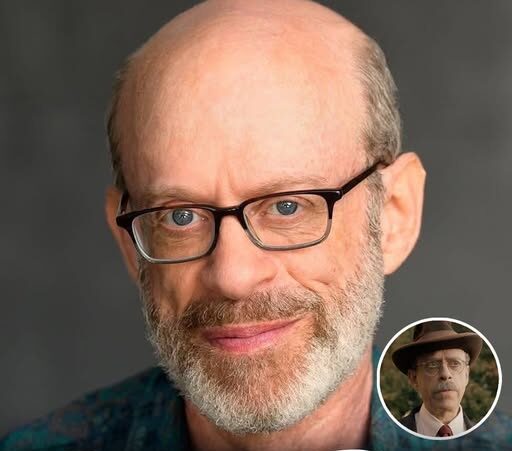
Steven Hack, Broadway Performer Known for Cats and A Chorus Line, Dies at 68
The St. Louis-Born Actor Built a Career Across Musical Theater, Television, Film, and Voice Work
Steven Hack, whose performing career encompassed Broadway musicals, dramatic theater, television, and film, has died at 68. His stage work included the original Broadway company of Cats and both Broadway and touring productions of A Chorus Line.
Hack spent five years performing in Cats, one of the defining engagements of his career. His work in A Chorus Line included understudying several characters and later playing Greg in the national tour.
Beyond those musicals, his credits ranged from established stage dramas to guest appearances in television comedies and crime series. Commercial and voice-over work added further variety to a professional life that extended across different parts of the entertainment industry.
His career began with an interest in theater encouraged during childhood. What started as a way to help a shy boy gain confidence became a lasting commitment to performing.
A Childhood Theater Program Opened the Door
Hack was born and raised in St. Louis, Missouri. His parents enrolled him in a Jewish Community Center theater program when he was seven, hoping the experience would help him overcome his shyness.
The program introduced him to something that would become much more than a childhood activity. Performing developed into an ambition he wanted to pursue professionally.
Growing up in the Midwest also meant considering where that ambition might take him. Los Angeles and New York offered possibilities that would eventually draw him away from his hometown.
He studied acting at the California Institute of the Arts and the American Academy of Dramatic Arts. That training formed part of the preparation for a career involving both live performance and screen work.
The path was not confined to one skill. Singing, dancing, and acting each became part of the opportunities he pursued.
His later credits would reflect that breadth, moving between musicals, plays, filmed appearances, and performances created for an audience listening rather than watching.
Grease Featured in His Early Professional Experience
One of Hack’s early screen appearances was as a teenage dancer in the 1978 film Grease. The production became part of the beginning of his professional history.
Grease also held significance in his live performance work. After moving to Los Angeles, he earned his first paid acting job as a singer and dancer in a local production of the musical.
“It was the first time I was paid to be an actor,” he recalled in a 2004 interview.
That distinction mattered to him as a professional milestone. An interest developed through childhood theater and training had become paid work.
Less than a year later, he decided to pursue opportunities in New York. The move placed him closer to the theater work that would become central to his career.
His Broadway debut came in Coolest Cat in Town. Further musical engagements followed, including the productions through which many theater audiences would come to know him.
Five Years With Cats Became a Defining Chapter
Hack performed with the original Broadway company of Cats, remaining with the production for five years. The extended engagement became one of the most recognizable parts of his stage history.
A lengthy run represents a different kind of professional experience from an isolated appearance. It involves returning to the same production while maintaining the requirements of the role.
For Hack, Cats was both a substantial commitment and an important Broadway credit. Its prominence made it a natural reference point when his career was remembered.
However, the musical did not account for all of his theatrical work. His experience also included another production whose place in Broadway history became closely associated with longevity.
A Chorus Line gave him opportunities in both its Broadway and touring companies. The connection involved several responsibilities rather than one role throughout.
A Chorus Line Included a Record-Breaking Performance
Hack initially served as an understudy for four roles in A Chorus Line. He later played Greg in the musical’s national touring production.
The understudy work required him to prepare for different characters within the same show. His subsequent touring role provided another way to participate in the production beyond Broadway.
He was also involved in its 3,389th Broadway performance in 1983. That performance marked the occasion when A Chorus Line became Broadway’s longest-running show at the time.
The qualification matters: it was a record within that moment in theater history, rather than a claim about the musical’s position today.
For Hack, participation placed his own working career within a significant milestone for the production. It connected an individual performer’s experience with the wider history of a celebrated musical.
Together, Cats and A Chorus Line established a strong musical-theater identity. They also presented a challenge when he later wanted to expand into other areas of the profession.
His Stage Work Extended Beyond Musicals
Hack’s theater credits included The Odd Couple alongside Nathan Lane and South Pacific with Reba McEntire. He also appeared in Paint Your Wagon at the Geffen Playhouse.
These productions added different settings and collaborators to his career. They show a performer continuing to work beyond the two Broadway musicals most frequently associated with his name.
Counsellor-at-Law became another substantial connection. Hack appeared in productions of the play in New York and Los Angeles.
The Los Angeles production received an L.A. Ovation Award and ran for seven months. His work in the play also extended to a radio adaptation for L.A. Theatre Works.
Returning to the same work in different formats created continuity within an otherwise varied career. The stage productions and radio version each offered a different setting for his performance.
That part of his history also illustrates the range contained within theater work itself. Broadway musicals were one element, while dramatic plays and audio performance supplied others.
Los Angeles Theater Remained an Important Commitment
Hack became a founding member of Interact Theatre Company in Los Angeles. His appearances there included Death of a Salesman, Our Town, and The Laramie Project.
He also performed in A Little Night Music and She Loves Me with the company. Those credits brought dramatic and musical work together within the same organizational connection.
His involvement with the city’s Musical Theatre Guild added productions including A Man of No Importance, Titanic, and The Mystery of Edwin Drood.
The one-man play Willie’s Son brought him nominations for Ovation and A.D.A. Awards. It represented another form of stage work alongside his experience in larger casts.
These engagements give a fuller picture of his professional life than Broadway credits alone. Los Angeles was also a place where he continued developing a substantial theatrical presence.
His work there did not simply replace an earlier New York chapter. It expanded a career already rooted in live performance.
A Move Back to Los Angeles Broadened His Screen Work
Hack returned permanently to Los Angeles in 1991, seeking more opportunities in television. His success in musical theater had made it difficult to create space for other kinds of work.
Frequent theater calls offered employment but could also keep him associated with a particular part of the industry. Relocating allowed him to concentrate more directly on screen opportunities.
His television appearances eventually included Seinfeld, Married… With Children, Mad About You, and Everybody Loves Raymond. Other credits placed him in dramatic and procedural series.
Among those were The Mentalist, Criminal Minds, Marvel’s Agent Carter, Fresh Off the Boat, and American Horror Story: 1984.
Film work included S.W.A.T. and Thor: The Dark World. These appearances extended his screen credits beyond the early experience of Grease.
The variety reflected his effort to work across formats rather than remain defined only by musical theater. His career ultimately included both the sustained demands of stage runs and individual appearances in filmed productions.
A Career Built Across Several Branches of Performance
Commercial work formed another part of Hack’s professional life. He performed both on camera and through voice-over assignments.
He was also a member of the Television Academy for more than twenty years. That longstanding connection accompanied the screen work he developed after establishing himself in theater.
His credits do not describe a career limited to a single breakthrough. They show a performer moving between cities, formats, companies, and types of role.
The childhood program intended to encourage confidence had led to Broadway, regional and Los Angeles theater, television, films, and audio performances.
Hack’s name remains connected to Cats and A Chorus Line, but his professional story extends well beyond them. The breadth of that work forms the lasting record of an actor who spent decades building a life in performance.