
A Month After Her Daughter’s Funeral, a Mother Found a Note Asking Her to Look Under the Bed
A Room She Wasn’t Ready to Change
One month after burying her 15-year-old daughter, a grieving mother faced a task she had been avoiding: going through the belongings in the girl’s bedroom. Then a folded note slipped from a schoolbook, drawing her attention to something hidden beneath the bed.
Until that afternoon, the room had remained almost exactly as her daughter had left it. Books sat near the desk, clothes held familiar memories, and small possessions carried a significance they had never needed to carry before.
Her husband had suggested that they begin organizing those things. He hoped the process might help them face the changes in their lives, but his wife struggled with the thought of moving anything.
To her, the bedroom was still closely connected to the ordinary days she desperately missed. Changing it felt like another difficult acknowledgment that her daughter would not be coming home.
Eventually, she agreed to begin slowly. She would look through a few belongings, organize what she could and leave the rest until she felt ready.
Ordinary Belongings Had Become Precious
Throughout the house, reminders of her daughter remained woven into everyday life. Her shoes were still near the entrance, and her favorite mug stood among the others in the kitchen cupboard.
Before the loss, those objects had been unremarkable. Now, encountering them could interrupt an otherwise ordinary moment with a powerful sense of absence.
The bedroom held even more of those reminders. It was a place shaped by the teenager’s routines, interests and choices, from the books she used for school to the personal things she had kept nearby.
Her parents approached that space differently. Her father believed that putting things in order might offer a manageable step forward, while her mother found reassurance in leaving familiar arrangements untouched.
Their different responses did not mean that one parent cared more or understood the loss better. Both were grieving their daughter, although the same task brought each of them different feelings.
For the mother, beginning with a few schoolbooks seemed less overwhelming than making decisions about the entire room. She could arrange a small pile without deciding what to do with everything else.
A Folded Piece of Paper
While lifting a textbook near the desk, she noticed a small piece of paper fall to the floor. It had been folded and tucked between the pages.
At first, there was little to distinguish it from an ordinary school reminder. Then she recognized her daughter’s handwriting.
That recognition made the paper feel immediately personal. She unfolded it carefully and read the short message inside.
“Mommy, if you’re reading this, please look under my bed. You’ll understand everything.”
There was no explanation accompanying the request. The note did not identify what she would find or describe why her daughter had placed it there.
She read the words again, trying to understand their purpose. They were addressed directly to her, but she had no way of asking the questions they raised.
The message also left its timing unclear. Nothing in the account establishes when the teenager wrote it, what occasion prompted it or when she expected her mother to discover it.
All the mother knew was that her daughter had left a specific instruction. Something beneath the bed mattered enough for her to put that request in writing.
Looking Beneath the Bed
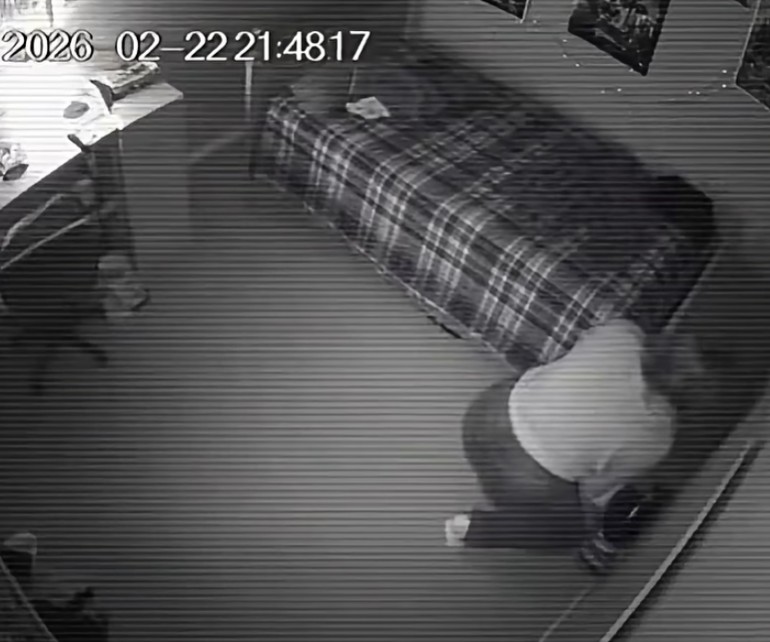
Still holding the paper, the mother approached the bed and knelt beside it. What had begun as a tentative effort to organize the bedroom had become a search.
At first, she saw a few ordinary objects that had slipped beneath the frame. Looking farther back, she noticed something positioned away from immediate view.
She reached underneath and carefully pulled it toward her. The placement suggested that it had been put there deliberately rather than simply dropped or forgotten.
But the account does not reveal what she retrieved. Its appearance, contents and connection to the note remain undisclosed.
That missing detail matters. Without it, there is no reliable way to say whether the discovery was a keepsake, a personal project or something with an entirely different meaning.
For the mother, however, finding the item meant encountering another part of her daughter’s private life. She had entered the room surrounded by familiar belongings and discovered something she had not known was there.
The Questions the Note Left Behind
The discovery answered the simplest question raised by the message: there really was something beneath the bed. It did not explain what her daughter had meant by the promise that she would understand everything.
That sentence invites questions, but it supplies few answers. The story does not establish a connection between the hidden item and the teenager’s death, nor does it explain the circumstances of her passing.
It would therefore be misleading to treat the note as evidence that the girl anticipated her death or intended it as a farewell. The words alone cannot support those conclusions.
Nor does hiding a possession necessarily indicate that someone was concealing something troubling. A teenager may keep personal things out of sight for many ordinary reasons, including privacy or the wish to save something for another time.
What can be said is narrower and more personal: the daughter had written to her mother, directed her to a particular place and left something there to be found.
The full significance of those actions remains unknown to the reader. The mother’s experience cannot be completed by choosing the most dramatic explanation.
Facing Memories at Her Own Pace
Sorting through a loved one’s belongings can involve many separate decisions. Looking inside a book, opening a drawer and deciding whether to move an item may each feel different.
For this mother, agreeing to enter the bedroom did not mean she was ready to change everything. Beginning with a small task allowed her to approach the room without making every decision at once.
Her husband’s suggestion had brought the question into the open, but she still needed to find her own pace. Organizing possessions and remembering a child are deeply connected here, yet they are not the same act.
A book can be moved without losing its memories. Equally, leaving it untouched may feel comforting for a time. Neither choice can measure the depth of a parent’s love.
The unexpected note added another layer to an afternoon already filled with emotion. Alongside the familiar memories in the room, there was now something new to consider.
A Personal Discovery With an Unrevealed Meaning
The story ends without identifying the object beneath the bed or explaining what the mother learned from it. That leaves its central mystery unresolved.
What remains clear is the sequence of small events: a mother entered a bedroom she had struggled to face, lifted a schoolbook and found words written by the daughter she missed.
The note led her toward a possession she had never noticed, revealing that even a familiar room could contain something unexpected. It offered another encounter with her daughter’s handwriting and choices, although its deeper meaning has not been shared.
For readers, the most respectful place to leave the account is there—with a grieving mother holding a personal message, and a part of her daughter’s story that remains private.