
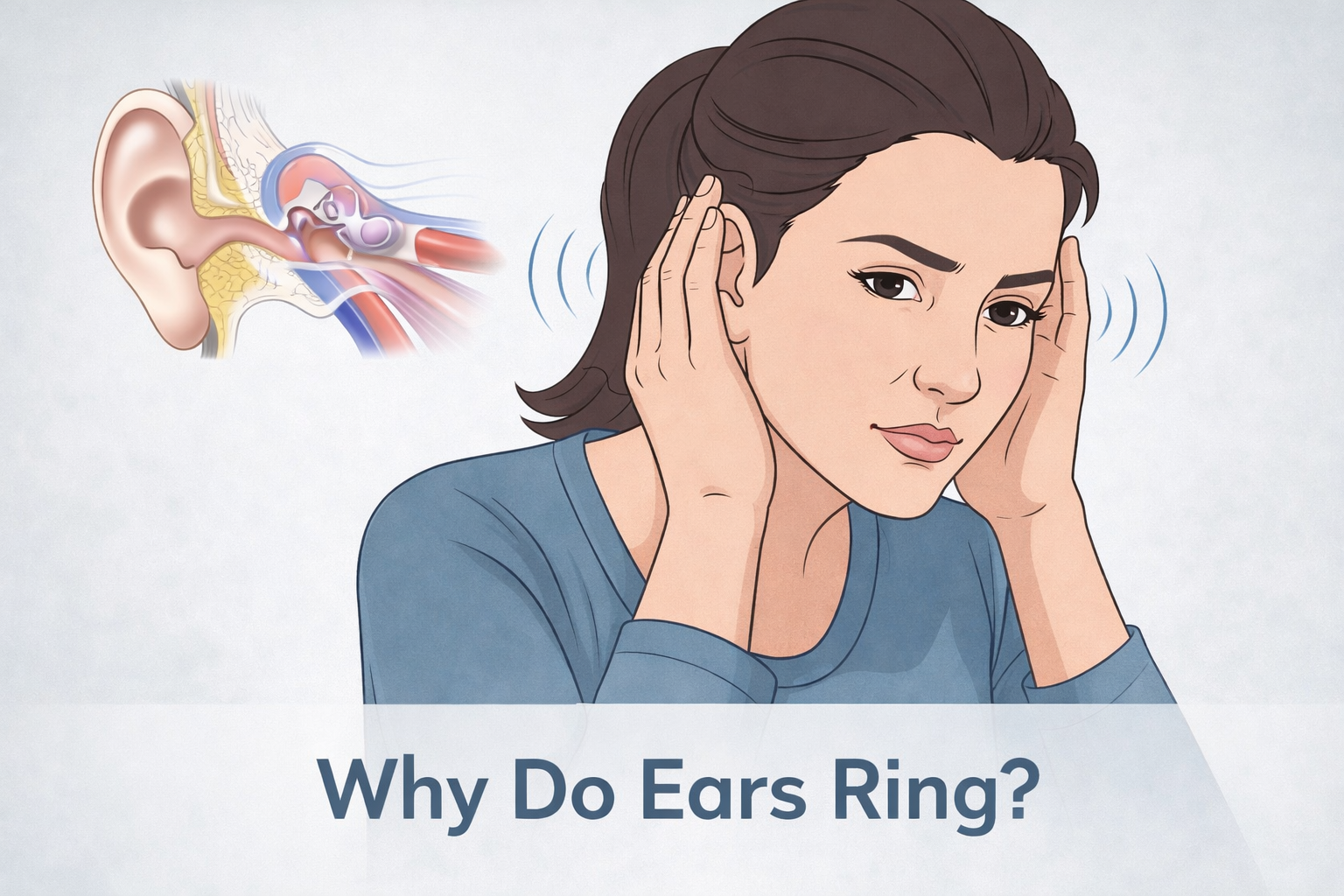
Understanding Ringing in the Ears: What Tinnitus Really Means
A Common and Often Harmless Experience
Ringing in the ears, commonly known as tinnitus, is something many people experience at different points in life. It can feel unusual or even concerning at first, especially when it appears suddenly or without a clear reason.
However, tinnitus is not a disease on its own. It is generally understood as a symptom—meaning it reflects something else happening in the body rather than being a condition by itself. In many cases, it is temporary, manageable, and not linked to anything serious.
That said, understanding what may be behind it can help reduce unnecessary worry and guide you toward the right response if it continues.
Common Causes Behind Tinnitus
Most cases of tinnitus are connected to hearing-related factors that are part of everyday life. One of the most common causes is age-related hearing changes, which can gradually affect how sound is processed over time.
Exposure to loud noise is another frequent trigger. This can include attending concerts, using headphones at high volume, or working in noisy environments without proper ear protection.
Other possible causes include earwax buildup, minor ear infections, or temporary irritation inside the ear. In some cases, lifestyle factors such as stress, fatigue, or lack of sleep can also play a role.
Certain medications may contribute as well, although this varies depending on the individual and the specific treatment involved.
Separating Facts From Online Myths
It is not uncommon to come across information online that links tinnitus to serious or future health conditions. While it is always good to stay informed, many of these claims are overstated or lack strong scientific support.
Medical understanding shows that tinnitus does not usually predict severe illness for most people. In the majority of cases, it is related to manageable factors rather than long-term health risks.
Focusing on reliable, balanced information can help prevent unnecessary concern and make it easier to approach the situation calmly.
When It’s Important to Pay Closer Attention
Although tinnitus is often harmless, there are certain situations where it is worth seeking medical advice. Paying attention to how and when it occurs can help identify whether further evaluation is needed.
You may want to consult a healthcare professional if the ringing:
– Persists over a long period without improvement
– Occurs only in one ear
– Is accompanied by dizziness or balance issues
– Comes with noticeable hearing changes
– Is linked with ongoing headaches or discomfort
These signs do not necessarily indicate a serious condition, but they are worth checking to ensure everything is properly evaluated.
Why the Sound Happens
Tinnitus is often described as ringing, buzzing, hissing, or even a faint humming sound. This happens because the brain is responding to changes or disruptions in sound signals.
When normal hearing input is reduced or altered, the brain may attempt to “fill in” the missing information. This can result in the perception of sound even when there is no external noise present.
This process explains why tinnitus can vary from person to person, both in how it sounds and how often it occurs.
Everyday Habits That Can Influence Symptoms
Some daily habits can make tinnitus more noticeable. For example, prolonged exposure to loud sounds without protection can increase sensitivity in the ears.
High levels of stress may also play a role, as tension can heighten awareness of internal sensations, including sound. Similarly, poor sleep can make symptoms feel more pronounced.
Dietary factors, such as excessive caffeine intake, may affect some individuals as well, although responses can vary.
Being mindful of these habits can help reduce the intensity or frequency of tinnitus in everyday life.
Simple Ways to Support Ear Health
Taking care of your hearing does not require complicated steps. Small, consistent habits can make a meaningful difference over time.
Using ear protection in noisy environments, keeping volume levels at a comfortable range, and allowing your ears time to rest after exposure to sound are all helpful practices.
Managing stress through relaxation techniques, maintaining regular sleep patterns, and staying aware of overall health can also contribute to better balance in how the body processes sound.
A Balanced Perspective on Tinnitus
For most people, tinnitus is not dangerous, even though it may feel distracting or unfamiliar at first. Understanding that it is usually linked to common, manageable factors can make it easier to handle without unnecessary concern.
At the same time, staying aware of changes in your body is always important. If symptoms become persistent, unusual, or uncomfortable, seeking professional advice is a sensible step.
In many cases, reassurance and simple lifestyle adjustments are enough to reduce its impact. With the right approach, tinnitus can often become a manageable part of everyday life rather than a source of ongoing worry.