
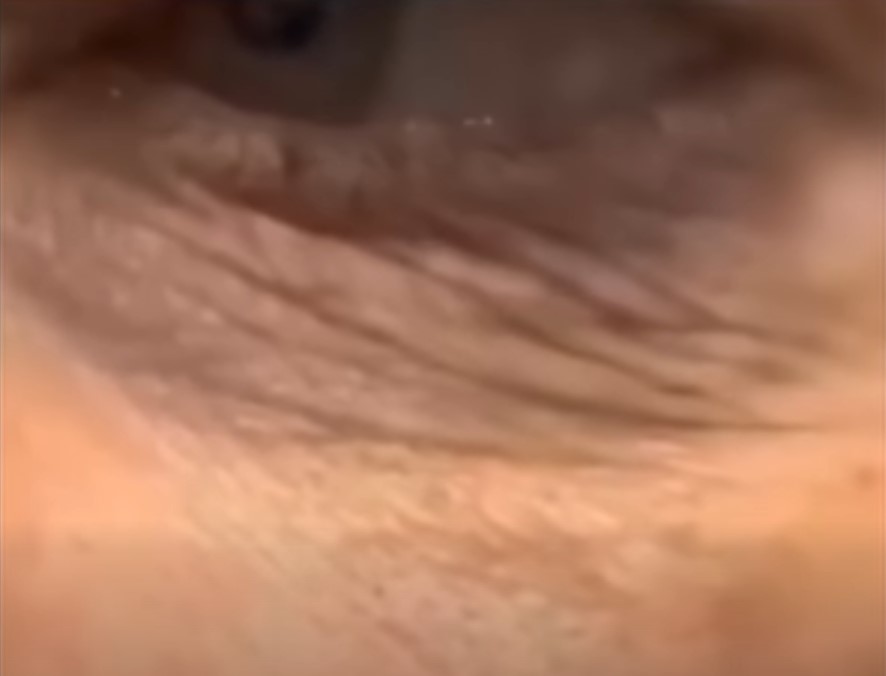
What Eye Twitching May Be Telling You About Your Health
Eye twitching is something many people experience at some point in their lives. It can happen suddenly, often without warning, and may continue for a few seconds, several minutes, or even return throughout the day.
Most of the time, the movement is mild and harmless. It usually affects the eyelid and may feel like a small pulsing or fluttering sensation around the eye.
Although eye twitching can feel uncomfortable or distracting, it is generally not considered a serious medical concern. In many situations, it disappears on its own without any treatment.
Understanding Why Eye Twitching Happens
Eye twitching, sometimes called an eyelid spasm, occurs when the muscles around the eye contract involuntarily. These movements are automatic and cannot be controlled while they are happening.
The condition is extremely common and can affect people of all ages. Some individuals may experience it only once in a while, while others notice repeated episodes during stressful or tiring periods.
In most cases, the twitching is limited to one eyelid. The upper eyelid is often affected more frequently, though the lower eyelid can twitch as well.
Many people first notice the sensation during quiet moments, such as while reading, working, or trying to relax. The movement may feel stronger than it actually appears to others.
Even though the twitching may seem unusual, it usually fades naturally after the body has a chance to rest and recover.
Stress Is One of the Most Common Triggers
Stress is considered one of the leading causes of eye twitching. When a person is under emotional or physical pressure, the body can react in different ways.
The muscles and nerves around the eyes may become more sensitive during stressful periods. This increased sensitivity can lead to involuntary spasms or repeated twitching.
Busy schedules, emotional strain, anxiety, and ongoing tension can all contribute to the problem. In some cases, the twitching becomes more noticeable at the end of the day when exhaustion begins to build.
People dealing with stress may also experience other physical symptoms at the same time, including headaches, muscle tension, or difficulty sleeping.
Taking time to relax and reduce pressure can often help decrease the frequency of eye twitching episodes.
Lack of Sleep Can Affect the Eyes
Fatigue is another major reason why eye twitching develops. When the body does not get enough rest, the muscles around the eyes may respond with small involuntary movements.
Sleep plays an important role in helping the nervous system recover and function properly. Without enough rest, the body can become more reactive and sensitive.
People who stay awake late, work long hours, or regularly experience interrupted sleep may notice twitching more often.
Even a few nights of poor sleep can sometimes trigger temporary eyelid spasms. In many cases, getting additional rest helps the symptoms gradually disappear.
Maintaining a healthier sleep schedule may reduce the chances of repeated twitching in the future.
Screen Time and Eye Strain
Modern lifestyles often involve long hours in front of digital screens. Phones, computers, tablets, and televisions can place extra strain on the eyes throughout the day.
When the eyes focus on screens for extended periods, the muscles around them may become tired. This strain can increase the likelihood of twitching.
People who spend hours reading online, working at a computer, or scrolling through mobile devices may notice eye discomfort alongside the twitching.
Dryness, irritation, and blurry vision can sometimes appear as well. These symptoms often improve when the eyes are given time to rest.
Reducing screen exposure, taking regular breaks, and allowing the eyes to recover may help prevent further strain.
Caffeine May Also Play a Role
Caffeine is commonly found in coffee, tea, energy drinks, and some soft drinks. While many people consume caffeine daily without issues, too much of it can sometimes overstimulate the body.
High caffeine intake may increase muscle sensitivity and nerve activity, which can contribute to eye twitching.
People who suddenly increase their caffeine consumption may notice that the twitching becomes more frequent or more intense.
In some situations, cutting back on caffeinated drinks can help reduce the spasms naturally over time.
Balancing caffeine intake and staying hydrated may support overall muscle and nerve function.
Dry Eyes and Irritation
Dry eyes can also contribute to twitching. When the eyes become irritated or lack enough moisture, the muscles around them may react with involuntary movements.
Dryness may happen for several reasons, including prolonged screen use, tiredness, or environmental conditions.
Some people experience a gritty or burning feeling along with the twitching. Others may notice increased sensitivity or discomfort during the day.
Resting the eyes and reducing strain may help ease irritation in mild cases.
Keeping the eyes comfortable and avoiding excessive fatigue can often improve symptoms naturally.
Most Eye Twitches Are Temporary
One important thing to remember is that occasional eye twitching is usually temporary. Many episodes disappear within seconds or minutes without requiring medical attention.
Some people may experience repeated twitching for several days before it gradually fades away.
The condition often improves once the body has more rest, lower stress levels, and reduced eye strain.
Because the twitching is so common, many people experience it at different points in their lives without developing any serious health problems.
Although the sensation can feel annoying, it is generally considered harmless in typical cases.
Simple Habits That May Help
There are several lifestyle adjustments that may help reduce eye twitching naturally.
Getting enough sleep is one of the most important steps. Rest allows the nervous system and muscles to recover properly.
Managing stress may also help decrease the sensitivity that contributes to eyelid spasms.
Limiting long periods of screen use can reduce eye fatigue. Taking breaks throughout the day may help the eyes relax.
Some people also benefit from reducing caffeine intake and drinking more water to stay hydrated.
These small changes often help improve symptoms without the need for treatment.
When Eye Twitching May Need Medical Attention
Although most cases are harmless, there are situations where ongoing twitching should not be ignored.
If the twitching continues for several weeks without improvement, it may be a good idea to speak with a doctor or eye specialist.
Medical attention may also be important if the twitching spreads to other parts of the face or becomes more severe over time.
Another warning sign is when the eyelid closes completely during the spasms or interferes with normal vision.
Persistent or unusual symptoms may sometimes be linked to nerve or muscle conditions, although this is considered uncommon.
Doctors can evaluate the symptoms more closely and determine whether additional care is needed.
Listening to Your Body
Eye twitching often serves as a reminder that the body may need rest and recovery. Stress, fatigue, screen exposure, and overstimulation can all affect the muscles around the eyes.
In many cases, the condition improves naturally after healthier habits are restored.
Paying attention to sleep, stress levels, and daily routines may help reduce future episodes and improve overall well-being.
While the occasional eyelid spasm is usually harmless, persistent symptoms should not be overlooked if they continue for an extended period or become more severe.
For most people, however, eye twitching is simply a temporary and manageable condition that fades with time, rest, and proper self-care.