
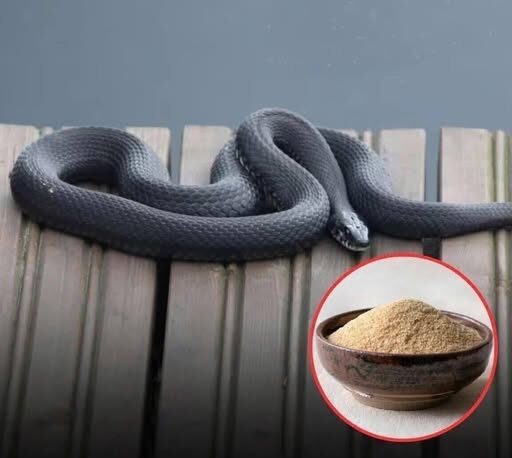
Natural Ways to Help Keep Snakes Away From Your Home Safely
Why Snakes Appear Near Homes
Snakes often spark both curiosity and concern, especially when they show up near homes, gardens, or outdoor living spaces.
While they are an important part of the ecosystem and help control pests like rodents and insects, most people prefer to keep a safe distance.
When snakes are spotted nearby, many homeowners look for natural, non-harmful ways to discourage them from staying.
How Snakes Sense Their Environment
Unlike humans, snakes rely heavily on chemical sensing rather than sight or hearing.
They use a specialized organ to detect scents in the air, which helps them locate food and navigate their surroundings.
This sensitivity to smell is why certain strong odors can influence their behavior.
Using Strong Scents as a Deterrent
One common approach to discouraging snakes is the use of strong, noticeable scents that make an area less comfortable for them.
These methods are popular because they are generally non-lethal and can be applied around outdoor spaces.
However, they are usually temporary and require consistent upkeep to remain effective.
Ammonia and Its Effects
Ammonia is often mentioned due to its sharp and intense odor, which can overwhelm a snake’s sensory system.
When placed outdoors near entry points, sheds, or crawl spaces, it may encourage snakes to avoid those areas.
Because ammonia evaporates quickly, it needs to be reapplied regularly to maintain its effect.
It should always be handled with care and kept away from indoor spaces, pets, and children.
Essential Oils as a Natural Option
Essential oils such as cinnamon and clove are commonly used as another natural method.
These oils contain compounds that can overstimulate a snake’s chemical receptors, making the area less inviting.
They are often diluted with water and applied around foundations, doorways, and garden edges.
Weather conditions like rain and humidity can reduce their effectiveness, so reapplication is often needed.
Household Ingredients That May Help
Garlic and onions are also used because they release strong sulfur-based odors when crushed.
These scents can interfere with how snakes interpret their surroundings, encouraging them to move away.
Some homeowners also plant marigolds, which help reduce insect activity and may indirectly lower the presence of rodents.
With fewer food sources available, snakes are less likely to remain in the area.
Additional Natural Repellent Options
Other commonly used methods include vinegar, lemongrass, and citronella-based solutions.
Vinegar is often applied in damp areas, while citrus-based plants and oils can disrupt scent trails used by snakes.
These options are generally considered environmentally friendly and easy to apply.
Like other scent-based methods, they require ongoing maintenance to stay effective.
The Importance of Long-Term Prevention
While scent deterrents can help reduce the chances of encounters, they are not a permanent solution on their own.
Effective prevention involves removing potential shelter, sealing small openings, and keeping outdoor spaces clean and organized.
Reducing rodent activity is especially important, as it removes a primary food source for snakes.
Creating a Safer Outdoor Environment
Combining natural deterrents with regular yard maintenance offers a balanced approach.
Keeping grass trimmed, removing debris, and limiting hiding spots can make your surroundings less attractive to wildlife.
This approach helps lower the likelihood of unwanted encounters while still respecting the natural role snakes play in the environment.
A Balanced and Safe Approach
Using natural scents alongside simple maintenance practices allows homeowners to manage their outdoor spaces responsibly.
These methods focus on prevention and awareness rather than harm.
With consistent effort, it is possible to create a space that feels comfortable for people while remaining mindful of nature.