
How Innovation Is Redefining Restroom Design in High-Performance Environments
The Unexpected Starting Point
The first surprise in high-performance facilities is not always the advanced machinery or the cutting-edge technology. Sometimes, it begins in a place people rarely think about—the restroom.
In environments where precision, speed, and efficiency dominate every decision, even the most ordinary spaces are reconsidered. What might seem mundane in everyday life becomes an opportunity for innovation when every second counts.
This shift has led to the emergence of unconventional solutions, including redesigned restroom fixtures that challenge long-standing assumptions about comfort, hygiene, and usability.
Rethinking Efficiency Under Pressure
High-intensity workplaces demand more than standard infrastructure. They require systems that can handle continuous use without slowing down operations.
Restrooms in such settings are no exception. Long wait times, inefficient layouts, and frequent maintenance interruptions can disrupt workflow and reduce overall productivity.
To address these challenges, designers are focusing on solutions that minimize delays, reduce congestion, and improve the overall experience for users working under pressure.
The Emergence of Female Urinals
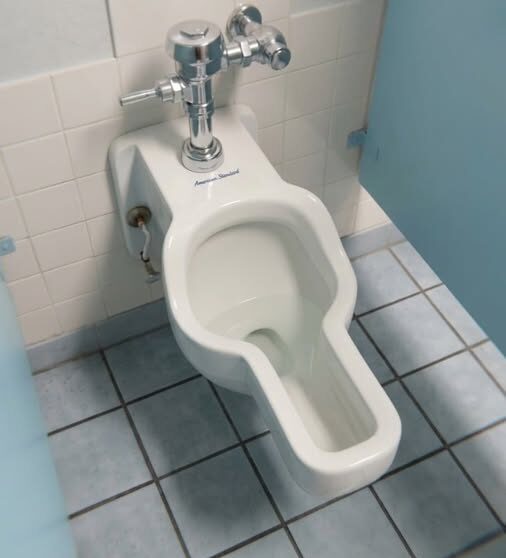
One of the most notable innovations in this area is the introduction of female urinals. While the concept may initially sound unusual, it represents a practical response to real-world demands.
These fixtures are designed to allow standing or semi-standing use, offering an alternative to traditional seated options. The goal is not novelty, but functionality.
By reducing the time required for each use, these systems can significantly improve the flow of shared facilities, especially in environments where large numbers of people rely on limited resources.
Addressing Hygiene Concerns
Hygiene plays a central role in the development of these designs. Shared surfaces in restrooms are often a source of concern, particularly in high-traffic areas.
By enabling use without full contact with traditional fixtures, female urinals can help reduce exposure to commonly touched surfaces. This contributes to a cleaner and more controlled environment.
In settings where maintaining strict hygiene standards is essential, such improvements can have a meaningful impact on daily operations.
Designing for Real Usability
Successful implementation depends heavily on thoughtful design. Without careful attention to detail, even the most promising innovations can fall short.
Factors such as height, angle, and splash control are critical to ensuring that these fixtures are practical and comfortable to use. Poor design in any of these areas can lead to discomfort or inefficiency.
Privacy is another key consideration. Users must feel secure and respected in the space, which requires layouts that balance openness with discretion.
Balancing Function and Comfort
Introducing new systems into familiar environments requires a careful balance between functionality and user comfort. People are naturally accustomed to existing norms, and sudden changes can create hesitation.
Designers must therefore ensure that these innovations feel intuitive rather than disruptive. Clear visual cues and logical layouts can help users adapt more easily.
Comfort is not just physical—it also involves psychological acceptance. A well-designed system acknowledges both aspects.
Environmental Benefits and Resource Efficiency
Beyond immediate usability, these innovations also offer environmental advantages. Reduced water consumption is one of the most significant benefits.
In large facilities with constant usage, even small reductions per use can translate into substantial savings over time. This makes the adoption of efficient fixtures an important step toward sustainability.
Lower water usage also reduces the strain on infrastructure, contributing to long-term operational stability.
The Role of Culture in Adoption
While engineering and design are crucial, cultural acceptance plays an equally important role in determining success. New ideas often face resistance simply because they challenge привычные patterns of behavior.
Introducing female urinals requires clear communication and thoughtful implementation. Without proper guidance, users may feel uncertain or reluctant to engage with unfamiliar systems.
Education and gradual integration can help bridge this gap, allowing people to understand the benefits and adapt at their own pace.
Overcoming Initial Resistance
Every innovation encounters skepticism in its early stages. This is particularly true for solutions that alter everyday routines.
To overcome this resistance, organizations must focus on transparency and user feedback. Listening to concerns and making adjustments can build trust and improve overall acceptance.
When people see that their experiences are valued, they are more likely to embrace change.
A Shift in Perspective
The introduction of these fixtures represents more than a technical upgrade. It reflects a broader shift in how infrastructure is approached.
Instead of treating restrooms as static spaces, designers are viewing them as dynamic environments that can evolve alongside changing needs.
This perspective opens the door to further innovation, encouraging continuous improvement in areas that were once overlooked.
Practical Implications in High-Demand Settings
In high-demand environments, even small inefficiencies can accumulate into significant disruptions. Restroom design may seem minor in isolation, but its impact becomes clear when scaled across large teams and extended operations.
Reducing wait times and improving flow can enhance overall productivity, allowing individuals to return to their tasks more quickly.
These improvements contribute to smoother operations, supporting the broader goals of efficiency and performance.
The Importance of Inclusive Design
Inclusive design ensures that infrastructure meets the needs of a diverse user base. Female urinals are part of a larger effort to address gaps that have historically been overlooked.
By offering more options, facilities can better accommodate different preferences and requirements. This approach recognizes that one-size-fits-all solutions are not always effective.
Inclusivity in design ultimately leads to more equitable and functional environments for everyone.
Integration Into Existing Systems
Implementing new fixtures within existing facilities presents logistical challenges. Space constraints, plumbing requirements, and user flow must all be considered.
Careful planning is necessary to ensure that these additions enhance rather than disrupt current layouts. This often involves rethinking how space is allocated and utilized.
When done correctly, integration can be seamless, allowing new systems to coexist with traditional ones.
Looking Ahead
The evolution of restroom design is a reminder that innovation can occur in the most unexpected places. As demands on infrastructure continue to grow, even small improvements can have a meaningful impact.
Future developments may build on these ideas, introducing even more efficient and sustainable solutions. The focus will likely remain on balancing practicality, comfort, and environmental responsibility.
What began as a response to immediate challenges may become a standard approach in a wide range of settings.
A Quiet Transformation
This transformation is not marked by dramatic headlines or visible breakthroughs. Instead, it unfolds quietly, reshaping everyday experiences in subtle but important ways.
By reimagining ordinary spaces, designers are demonstrating that innovation does not always require grand gestures. Sometimes, it begins with a simple question: how can this be better?
In answering that question, even the most familiar parts of daily life can be transformed into examples of thoughtful, forward-looking design.
Conclusion
The redesign of restrooms in high-performance environments highlights the importance of addressing every aspect of infrastructure, no matter how small it may seem.
Female urinals, as part of this evolution, represent a practical solution to challenges related to efficiency, hygiene, and sustainability.
As these ideas continue to develop and gain acceptance, they offer a glimpse into a future where innovation extends to every corner of the built environment, improving both functionality and everyday experience.