
What Yellow Streaks on Bathroom Walls Really Mean and How to Handle Them Safely
The Moment That Raises Concern
Bathrooms are meant to be places of comfort and cleanliness. They are spaces where people expect to feel secure, not uneasy or alarmed.
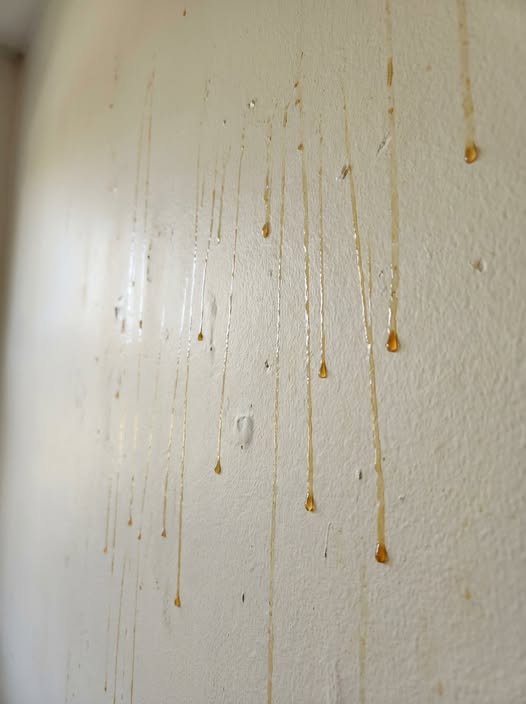
That sense of comfort can quickly disappear when unusual marks begin to appear. Yellow streaks running down the walls can be unsettling at first glance.
What seems like a minor cosmetic issue can trigger deeper concerns. Questions about cleanliness, air quality, and potential health risks often come to mind.
Understanding the Source of the Stains
In most cases, these yellow streaks are not random or mysterious. They are the result of common household conditions that build up over time.
Moisture plays a central role in this process. Bathrooms naturally produce high levels of humidity, especially after hot showers or baths.
When moisture lingers on walls, it can interact with residues already present on the surface. This combination often leads to visible streaking.
Moisture and Condensation Effects
Condensation forms when warm, damp air meets cooler surfaces. Bathroom walls are especially prone to this effect due to frequent temperature changes.
As water droplets collect and slide downward, they can carry with them particles from the wall’s surface. This creates the appearance of yellowish trails.
Over time, repeated cycles of condensation and drying can make these streaks more noticeable and persistent.
Residue from Everyday Use
Bathrooms are exposed to a variety of substances during daily routines. Soap, shampoo, and cleaning products can all leave behind residues.
These substances may not be visible immediately. However, when combined with moisture, they can gradually form discolored streaks.
This buildup can become more pronounced in areas that are not regularly wiped down or ventilated.
Effects of Indoor Air Contaminants
In some homes, airborne particles contribute to the formation of yellow streaks. Smoke residue is one example that can settle on walls over time.
Even after painting, these particles can seep through the surface when exposed to moisture. The result is a slow reappearance of discoloration.
This process can occur without any immediate signs, making it seem sudden when the streaks finally appear.
Early Signs of Mold or Mildew
Another possible cause of yellow streaks is the early development of mold or mildew. These organisms thrive in damp, poorly ventilated environments.
At first, they may not appear as dark or obvious patches. Instead, they can present as faint discoloration or streaking.
Addressing these signs early is important to prevent further spread and more serious issues.
Why Ignoring the Problem Can Lead to Bigger Issues
While the streaks themselves may seem minor, they often signal underlying conditions that require attention. Ignoring them can allow those conditions to worsen.
Excess moisture, for example, can lead to structural damage over time. It can weaken paint, drywall, and other materials.
Similarly, untreated mold can expand beyond visible areas, making it more difficult to manage later.
Identifying the Right Approach
Not all yellow streaks have the same cause, which means there is no single solution that works in every situation. Understanding the source is key.
Simple residue buildup may require basic cleaning and improved maintenance. More persistent issues may need deeper intervention.
Taking the time to assess the situation can help prevent unnecessary effort and repeated cleaning attempts.
Improving Ventilation as a First Step
One of the most effective ways to prevent streak formation is to improve airflow in the bathroom. Proper ventilation reduces moisture buildup.
Using an exhaust fan during and after showers can help remove humid air. Opening windows, when possible, also supports air circulation.
Consistent ventilation can significantly reduce the conditions that lead to streaking.
Routine Maintenance and Cleaning
Regular cleaning plays a crucial role in keeping bathroom walls clear. Wiping down surfaces after use can prevent residue from accumulating.
Focusing on high-moisture areas, such as near showers and sinks, can make a noticeable difference. These are the places where buildup tends to occur first.
Maintaining a simple routine helps keep walls in better condition over time.
Addressing Mold and Mildew Safely
If mold or mildew is suspected, it is important to act promptly. These issues require careful handling to avoid spreading or worsening the problem.
Using appropriate protective measures during cleaning can help reduce exposure. In more severe cases, professional assistance may be necessary.
Early action can prevent more extensive damage and maintain a healthier environment.
Recognizing When Professional Help Is Needed
Some situations go beyond routine maintenance. Persistent streaks, strong odors, or recurring discoloration may indicate deeper issues.
In such cases, seeking professional evaluation can provide clarity. Experts can identify hidden problems and recommend effective solutions.
This step can save time and prevent repeated attempts that do not address the root cause.
Creating a Healthier Bathroom Environment
Preventing yellow streaks is not just about appearance. It also contributes to overall comfort and air quality within the home.
Maintaining proper ventilation, cleaning regularly, and addressing issues early all play a role in creating a healthier space.
These efforts support both the longevity of the bathroom and the well-being of those who use it.
From Uncertainty to Control
The initial sight of yellow streaks can be unsettling, but understanding their causes brings clarity. What once seemed alarming becomes manageable.
By recognizing these signs as indicators rather than mysteries, it becomes easier to take effective action.
This shift in perspective replaces uncertainty with confidence and control.
Maintaining Long-Term Results
Consistency is key when it comes to preventing the return of streaks. Small, regular actions often have the greatest impact.
Keeping moisture levels in check and maintaining clean surfaces can reduce the likelihood of future buildup.
Over time, these habits become part of a routine that supports a clean and comfortable bathroom.
Final Thoughts
Yellow streaks on bathroom walls are more than a cosmetic concern. They are signals that point to underlying conditions within the space.
Addressing them with the right approach ensures both cleanliness and long-term protection. It also helps maintain a sense of comfort and safety.
With proper understanding and consistent care, the bathroom can remain a place of ease rather than concern.