
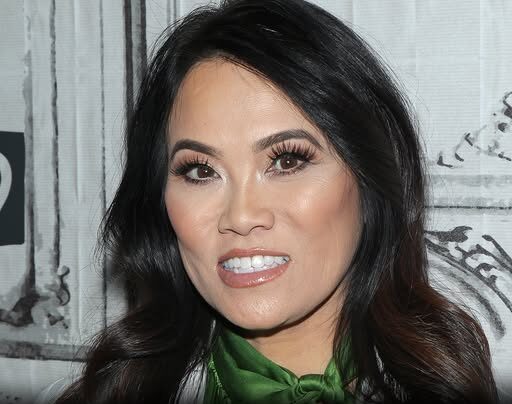
Dr. Sandra Lee Opens Up About Stroke Scare During Filming and Her Road to Recovery
A Sudden Health Event on Set
Dr. Sandra Lee, widely recognized for her television work, recently shared details about a serious health event that occurred while filming her spin-off series. The unexpected situation developed quickly and required immediate medical attention.
What initially seemed like a minor discomfort soon became more concerning. While on set, she began to feel unusually overheated and unwell, symptoms she first believed were temporary.
At the time, the sensation resembled something common, leading her to dismiss it instead of seeking help right away.
Symptoms That Raised Concern
As time passed, her condition did not improve. Instead, additional symptoms began to appear, making it clear that something was not right.
After returning to her parents’ home, she felt increasingly restless. She also experienced sharp sensations in one leg, which added to her discomfort.
Her ability to move normally became affected, and she noticed weakness on the left side of her body. Simple actions, such as holding her hand out, became difficult as it would slowly drop.
Her speech also changed, making it harder to articulate words clearly. These combined symptoms raised serious concern.
”I thought, “Am I having a stroke?””
Hospital Visit and Diagnosis
Recognizing the seriousness of her symptoms, she went to the hospital for evaluation. Doctors confirmed that she had experienced an ischemic stroke.
This type of stroke occurs when blood flow to part of the brain is reduced or blocked, affecting how the brain functions.
The diagnosis was unexpected and difficult to process, even with her medical background.
”It was just a shock. As a physician I couldn’t deny that I had slurred speech, that I was having weakness on one side, but I was like, “Well, this is a dream, right?” she said.
The experience required her to quickly come to terms with the seriousness of the situation and begin treatment without delay.
Impact on Work and Daily Life
The health event led to a pause in her filming schedule as she focused on recovery. She stepped away from work for approximately two months.
During this time, her primary focus was regaining strength and returning to her daily routine.
Physical therapy became an important part of her recovery process, helping her improve movement and coordination.
The experience was both physically and emotionally challenging, as she adjusted to temporary limitations and focused on progress.
The Recovery Journey
Recovery required patience and consistent effort. Step by step, she worked on rebuilding her strength and improving her overall condition.
Over time, she experienced steady improvement, allowing her to regain independence in daily activities.
She shared that she now feels mostly back to normal, although the experience left a lasting impression on her outlook.
Returning to Work with a New Perspective
After her recovery period, she gradually returned to filming and professional responsibilities. This marked an important milestone in her journey.
The experience encouraged her to take a more proactive approach to her health.
She now places greater emphasis on managing stress and monitoring important health factors such as blood pressure and cholesterol.
These steps play a key role in reducing the risk of similar events in the future.
Raising Awareness About Stroke Symptoms
Following her experience, she has used her platform to highlight the importance of recognizing stroke symptoms early.
Acting quickly can make a significant difference in recovery and long-term outcomes.
One widely recognized method for identifying stroke symptoms is the FAST guideline.
Face: One side of the face may appear uneven or droop.
Arms: Weakness or difficulty lifting both arms evenly.
Speech: Speech may sound unclear or be difficult to understand.
Time: Immediate medical attention is essential.
Understanding these signs can help individuals respond quickly in an emergency.
Encouraging Open Conversations
She also emphasized the importance of discussing health conditions openly. In some communities, serious conditions are not always talked about, which can delay recognition and care.
By sharing her own experience, she hopes to encourage greater awareness and more open conversations about health.
This approach can help others feel more comfortable seeking medical attention when needed.
Understanding Risk Factors
Her experience highlights the importance of being aware of common risk factors associated with stroke.
Managing blood pressure, cholesterol levels, and stress can contribute to overall health and well-being.
Regular check-ups and paying attention to changes in the body are essential steps in prevention.

A Message of Awareness and Prevention
Her journey serves as a reminder of the importance of recognizing warning signs and taking action without delay.
Early response and proper care can support recovery and reduce potential long-term effects.
Listening to the body and seeking help when something feels unusual can make a meaningful difference.
Looking Ahead
Now back at work, she continues to balance her career with a renewed focus on her health.
The experience has reshaped her priorities, placing well-being at the center of her daily routine.
By speaking openly, she hopes to help others understand the importance of early detection and timely care.
Her story highlights the value of awareness, preparation, and taking steps to protect long-term health.