
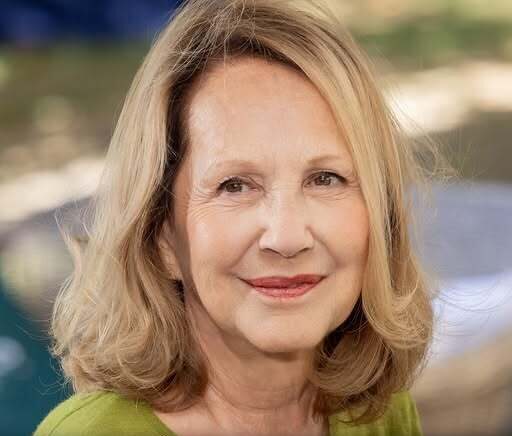
French Cinema Icon Nathalie Baye Dies at 77 After Celebrated International Career
Nathalie Baye, one of the most admired performers in French film, has died at the age of 77. Her family confirmed her death, closing the chapter on a career that stretched across generations and brought her recognition both in France and abroad.
She died at her home in Paris on April 17 after living with Lewy body dementia. The condition is a progressive neurological illness that affects memory and movement and can also bring hallucinations.
For many international viewers, Baye was familiar from later roles that introduced her to a wider audience outside France. For longtime film lovers, however, her death marks the loss of a performer whose name had already been firmly written into the history of European cinema.
A Career That Reached Across Borders
Baye built a body of work that crossed national boundaries while remaining deeply rooted in French cinema. Over the course of her career, she appeared in more than 100 films and earned the respect of audiences, directors, and fellow actors alike.
Her reputation was based not only on longevity, but also on consistency. Year after year, she was associated with performances that carried emotional depth, control, and a screen presence that made her one of France’s most reliable and admired stars.
She collected four César Awards during her career, an achievement that reflected her standing within the French film industry. Her run in the early 1980s was especially remarkable, as she won three consecutive trophies during that period.
Those honors helped define her as one of the leading actresses of her era. They also confirmed what critics and viewers had already come to recognize through her performances.
Later Recognition for Global Audiences
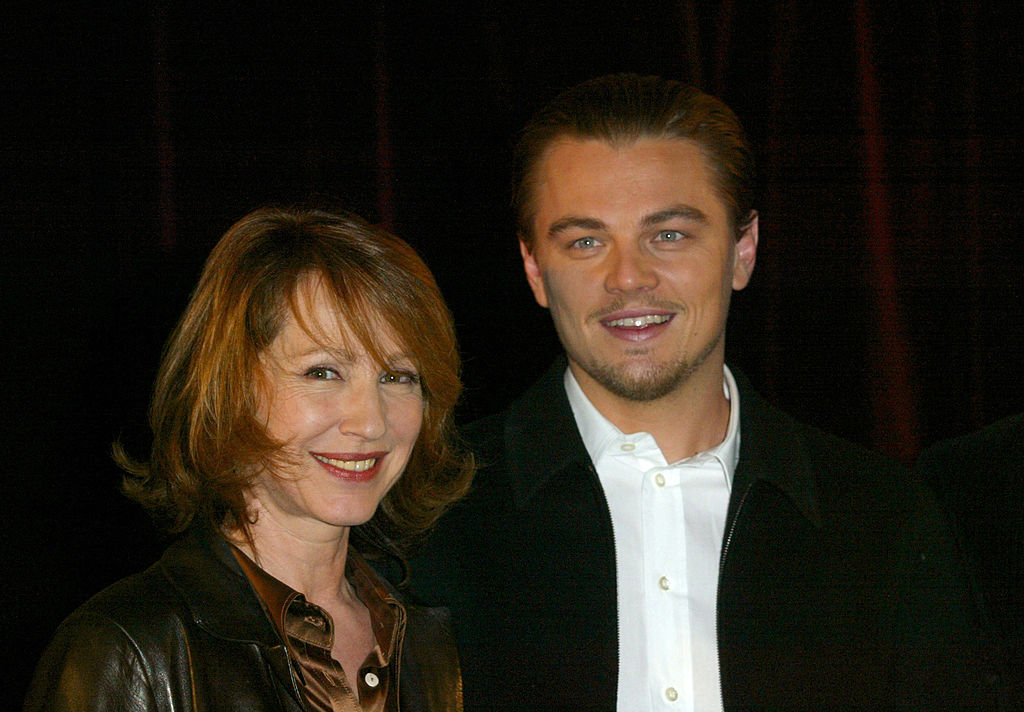
Although Baye had long been established in France, she also became widely known to international viewers through major film roles later in life. One of her best-known appearances for global audiences came in Steven Spielberg’s Catch Me If You Can.
In that film, she played the mother of Leonardo DiCaprio’s character. The role introduced her to many viewers who may not have been familiar with the long and distinguished career she had already built in Europe.
She also appeared in Downton Abbey: A New Era, where she played the French aristocrat Madame de Montmirail. That performance connected her with another large audience and reminded viewers of her ability to move easily between intimate drama and broader international productions.
The film was generally well received by critics and earned $92.7 million worldwide at the box office. Her appearance in the project offered another example of how her career remained active and visible even in its later years.
Living With Lewy Body Dementia
Baye spent her final period living with Lewy body dementia, a condition that gradually affects the brain and body. It is associated with abnormal protein deposits known as Lewy bodies, which form in nerve cells and interfere with thinking, memory, and movement.
The illness often brings a steep decline in both mental and physical function. Many patients also experience vivid visual hallucinations as the disease progresses.
Baye’s death places her among other well-known figures who lived with the same condition. Robin Williams, Estelle Getty, and Casey Kasem were also publicly linked to Lewy body dementia.
Her passing has once again drawn attention to a disease that can be deeply difficult for both patients and families. In Baye’s case, it brought a quiet end to a life defined for decades by artistic achievement and public admiration.
Early Life and an Unusual Beginning
Baye was born in Normandy in 1948 to artistic parents. Her early life did not follow a traditional path, and the challenges she faced in school shaped her direction from a young age.
She left school at 14 after experiencing difficulties related to dyslexia and dyscalculia. Rather than continuing in a conventional classroom setting, she moved toward another discipline that first captured her interest: dance.
That decision led her to Monaco, where she studied dance before eventually turning toward acting. What began as a step away from academic struggle became the beginning of an artistic life that would transform into one of the most respected screen careers in France.
Her reflections on childhood suggested a home life that was not rigidly controlled. ”I was brought up with very few rules, so that what rules there were I really respected. I was sensible and well-behaved, actually. Certainly compared to some of my schoolfriends,” Baye once told The Guardian.
The quote offered a glimpse of the personality behind the public image. It also hinted at a grounded quality that would remain part of how many people described her throughout her life.
Breakthrough in the 1970s
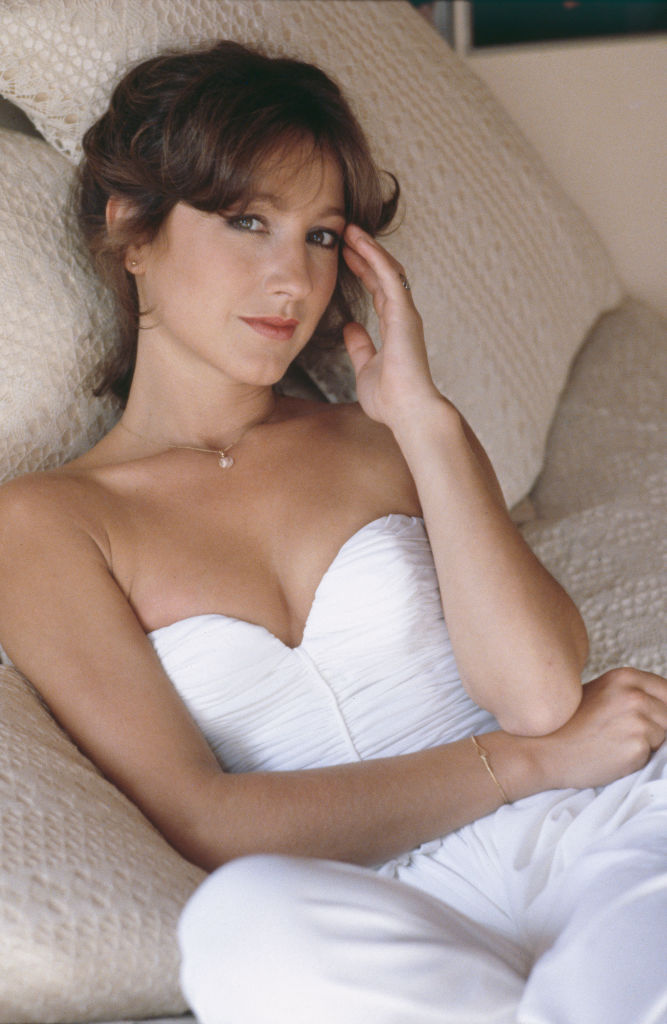
Baye’s major rise began in the 1970s, when she started working with some of the most influential directors in French cinema. That period proved decisive in shaping her place within the industry.
She collaborated with François Truffaut, Jean-Luc Godard, and Maurice Pialat, names that carried major weight in the film world. Working with directors of that stature placed her at the center of an important artistic moment in French filmmaking.
Those collaborations helped establish Baye as more than a promising young actress. They confirmed her as a performer capable of carrying complex material and holding her own in films shaped by some of the era’s most distinct creative voices.
Her rise was not built on a single performance alone. Instead, it developed through a steady series of roles that displayed range, discipline, and a strong emotional command on screen.
Acclaimed Performances and Lasting Reputation
Among the films that strengthened her reputation were The Return of Martin Guerre and La Balance. These projects became key markers in a career filled with respected work.
La Balance brought her one of her César Awards for Best Actress. The honor reflected the impact of a performance that added further weight to her growing status as one of the country’s finest screen performers.
Over the years, Baye developed a public image closely tied to emotional intelligence in performance. She was often recognized for bringing depth and authority to the characters she played.
Her work did not depend on spectacle. Instead, it was shaped by clarity, restraint, and a presence that could hold attention without unnecessary excess.
That quality helped explain why her career lasted so long. She remained relevant not because she chased trends, but because her performances continued to carry substance.
Family Life Beyond the Screen
Outside her film work, Baye’s personal life also drew public attention at times. She had a high-profile relationship with French rock star Johnny Hallyday, a pairing that linked two major figures from different parts of French culture.
Their daughter, Laura Smet, went on to become an actress as well. In that way, Baye’s artistic legacy continued into another generation through her own family.
She is survived by her daughter and her grandson. For those closest to her, the loss is both personal and profound, reaching beyond the public image of a famous performer.
Her death has also deeply affected friends and longtime collaborators who knew the private woman behind the celebrated career. Their memories have helped paint a fuller picture of who she was away from cameras and red carpets.
A Friendship Remembered by Thierry Klifa
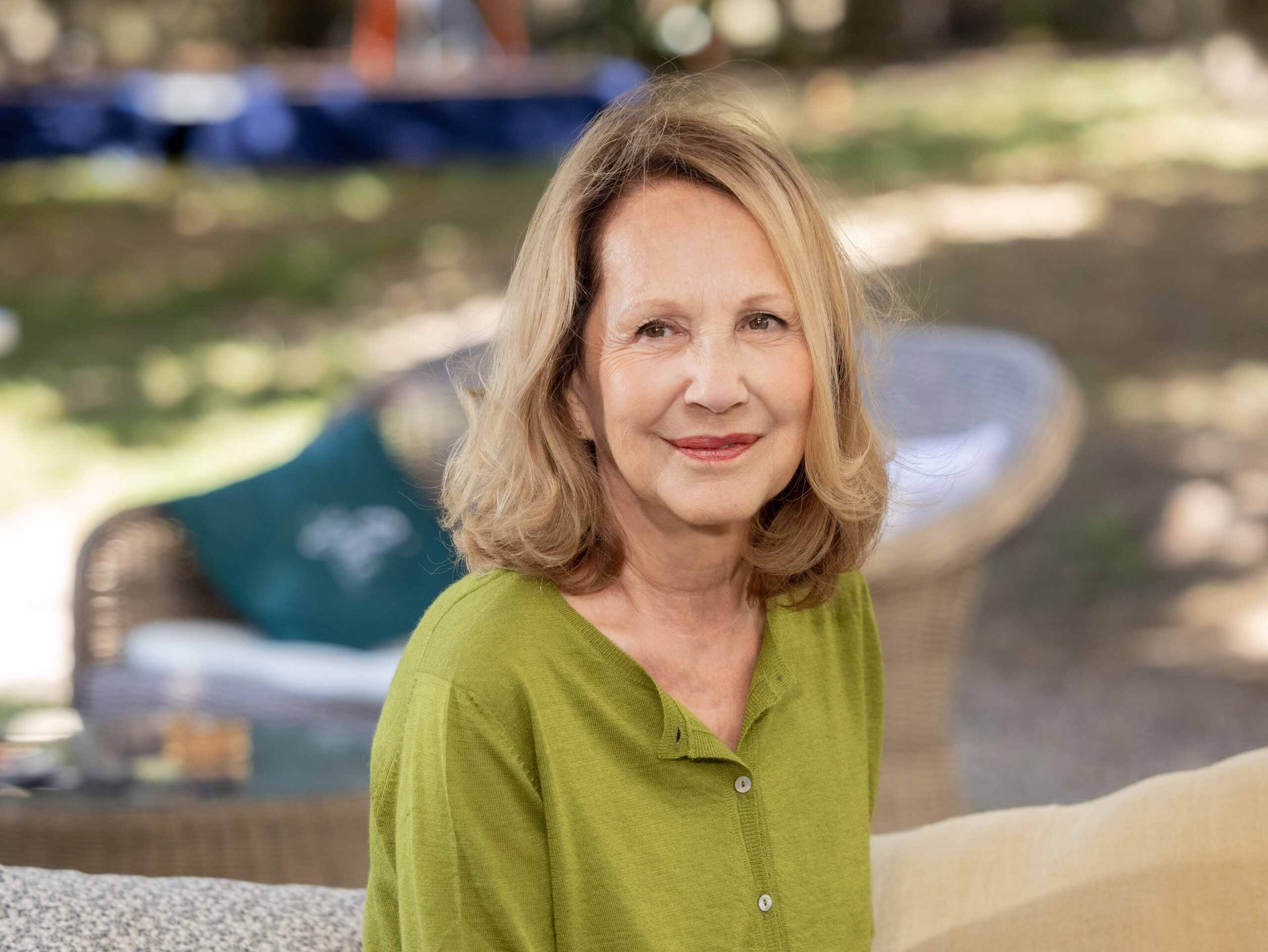
Among those most shaken by Baye’s death was director Thierry Klifa, who had been one of her closest friends for 25 years. His reflections revealed the depth of their bond and the personal impact of her loss.
He said he switched off his phone for an entire day after learning the news. The response reflected not only grief, but also the strength of a friendship that had lasted for decades.
Their relationship began in 1999, when Baye gave a long interview to Studio magazine, where Klifa was working as a journalist. Afterward, she contacted him again and said she had enjoyed the conversation, then suggested they go to the theater together.
He remembered that gesture as completely true to her character. “That was her — simple, spontaneous,” he recalled.
What began as a professional interview grew into a close and lasting friendship. Through the years that followed, Klifa remained part of her life, including during the difficult period when illness became a reality.
“She was the queen of laughter”
Klifa said he stayed by Baye’s side through the final stage of her life. He described regular meetings, walks, and shared meals, emphasizing how strongly he valued the loyalty between them.
“She was loyal to her friends, and I stayed loyal to her until the very end,” he said.
He also remembered her as a woman who carried herself with dignity and met hardship without complaint. In his words, she gave generously to the people around her and remained a source of warmth even in difficult times.
“She taught me so much and gave me so much. She was incredibly generous — and so radiant, always full of laughter. She was the queen of laughter.”
His final words about her carried the weight of personal loss more than public tribute. “I will miss that smile terribly,” Klifa added.
Those remarks offered an image of Baye that extended beyond awards and filmography. They presented her as a loyal friend, a vivid presence, and someone whose personality made as lasting an impression as her performances.
A Legacy That Endures
Nathalie Baye leaves behind more than a long list of screen credits. She leaves a career that helped shape modern French cinema and demonstrated how a performer could remain artistically significant over many decades.
Her life in film connected major chapters of cinematic history, from collaborations with influential French directors to appearances in internationally recognized productions. Few actors manage to belong so fully to both national cinema and global popular culture.
For French audiences, she stood as a symbol of artistic excellence. For international viewers, she became a memorable presence whose later performances often led people to discover her earlier work.
Her achievements, her awards, and the admiration she inspired all point to the same conclusion: Nathalie Baye occupied a rare place in film. She was not simply a successful actress, but one of the defining faces of her generation.
Her death at 77 closes an extraordinary career, but it does not diminish the work she leaves behind. That body of work remains, continuing to speak for her through performances that reached audiences in France and around the world.
In the years ahead, her films will continue to introduce new viewers to the talent, discipline, and quiet power that made Nathalie Baye such an enduring figure. Her place in cinema is secure, and her legacy will continue to live on through the roles that made her unforgettable.