
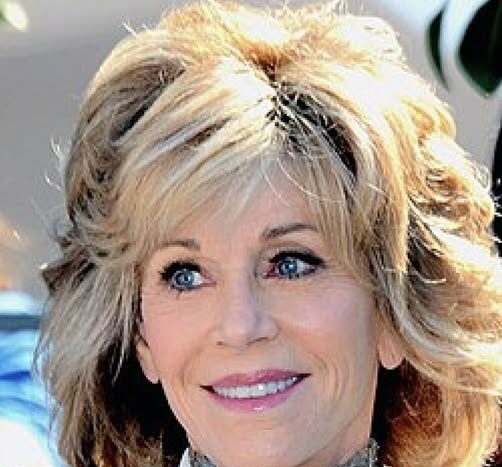
Stephen Miller Criticizes Jane Fonda Over Vietnam War-Era Activism in Renewed Debate
2021 Interview Returns to Public Attention
Note: This story is being republished and originally drew attention in June 2021.
A televised interview involving former Trump adviser Stephen Miller and actor-activist Jane Fonda returned to discussion after renewed interest in political commentary from that period.
During an appearance on Fox News, Miller sharply criticized Fonda over her actions during the Vietnam War era, arguing that her past activism should continue to be part of the public conversation.
The remarks focused on events from the early 1970s, when Fonda traveled to North Vietnam and became one of the most controversial public figures connected to anti-war activism in the United States.
Miller’s Comments on Fonda’s Past Actions
Miller used the interview to condemn Fonda’s actions from that period, describing them as deeply harmful and unacceptable.
He argued that her visit to Vietnam and her participation in activities viewed as supportive of North Vietnamese messaging crossed a serious line during a time of war.
He also questioned whether a public figure associated with those events should continue to receive admiration decades later.
The interview was presented as a broader discussion about accountability, historical memory, and how public figures are judged over time.
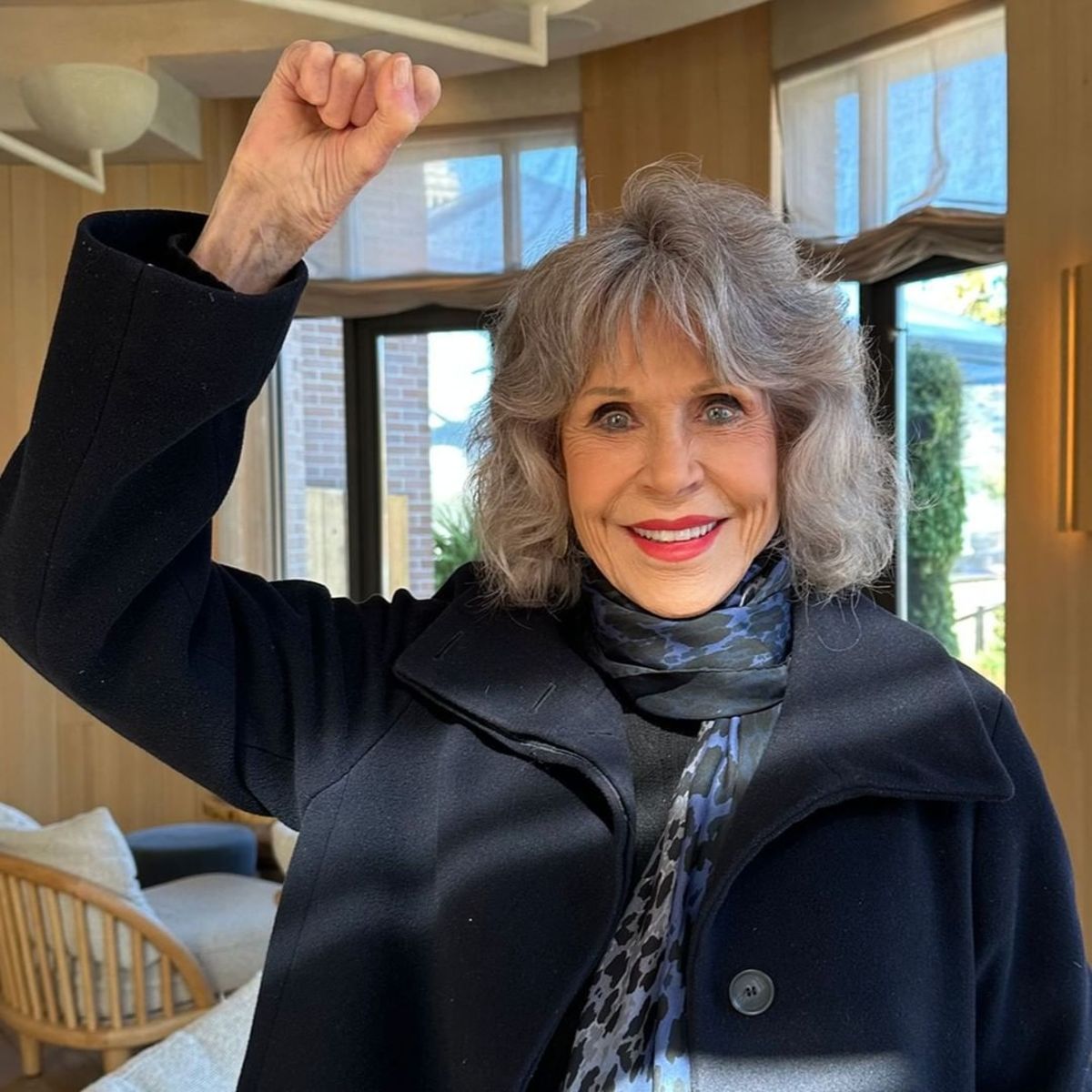
Jane Fonda smiling while raising her fist, Photo Credit: janefonda/Instagram
Focus on the 1972 Vietnam Visit
The central issue in the segment was Fonda’s 1972 trip to North Vietnam, an event that has remained controversial for many years.
Critics have long pointed to radio appearances in which she spoke critically of U.S. military involvement, as well as photographs taken during the visit.
One image in particular, showing Fonda seated near an anti-aircraft gun, became one of the most recognized symbols of the controversy.
Another detail often referenced by critics was her appearance wearing military headgear during the trip.
Those moments contributed to the nickname “Hanoi Jane,” a label that has continued to surface in political and cultural debates.
Strong Reactions From Veterans and the Public
The events surrounding Fonda’s Vietnam-era activism have long divided public opinion.
Some U.S. veterans and military supporters have said the trip caused lasting pain and represented disrespect toward American service members during wartime.
Others have viewed her actions through the lens of protest and opposition to war policy rather than hostility toward troops.
Because of these opposing views, discussions about Fonda’s legacy often become larger debates about patriotism, dissent, and the boundaries of protest.
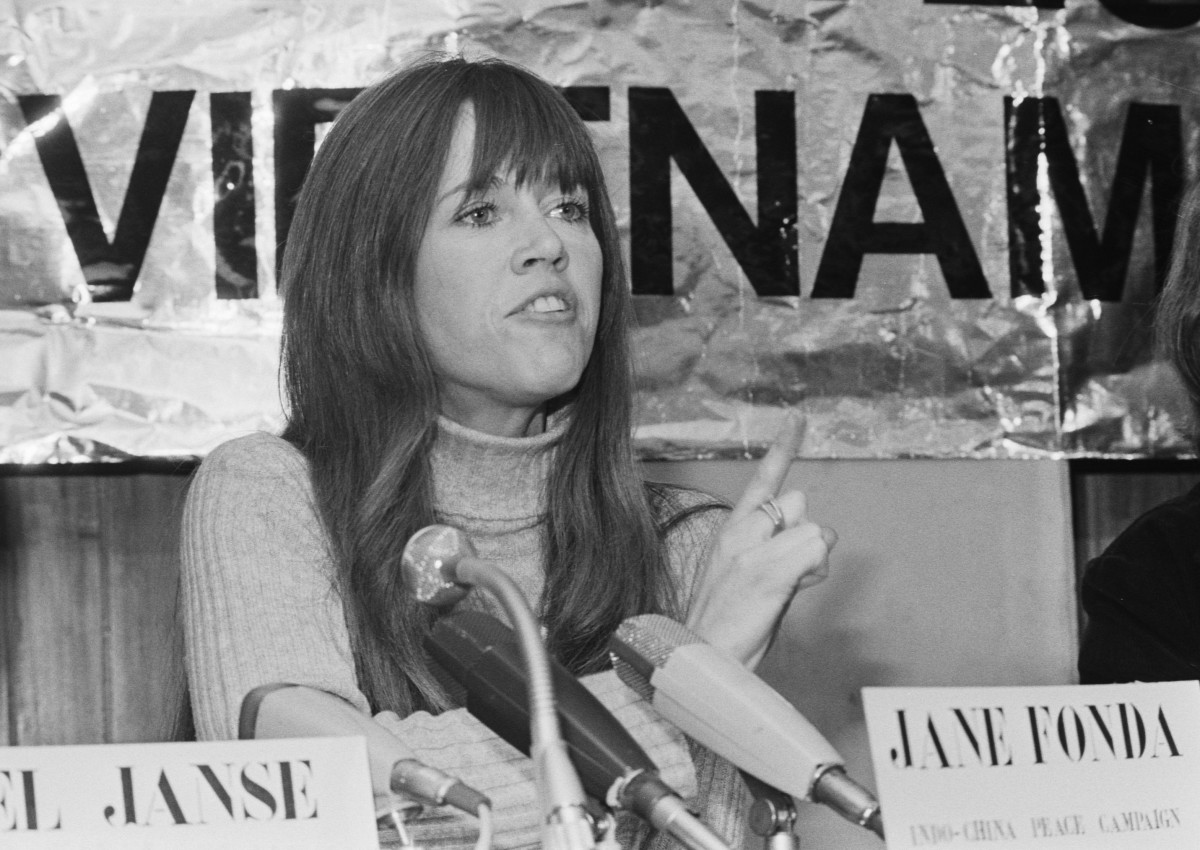
A photo of Jane Fonda when she was younger speaking out against the Vietnam war, Photo Credit: Wikimedia
Fonda’s Response Over the Years
Fonda has addressed the controversy multiple times over the years and has expressed regret about the well-known photograph from Hanoi.
She has said that image was damaging and that it caused pain to many people, particularly veterans and their families.
At the same time, critics such as Miller have argued that regret over the photo does not resolve broader concerns about the trip itself.
That disagreement remains at the center of ongoing arguments whenever the subject returns to public attention.
Connection to Current Activism
The interview also linked Fonda’s past activism to her more recent political involvement.
For decades, she has remained active in public demonstrations and campaigns related to environmental and political causes.
At the time of the interview, attention had turned to pipeline debates, including the Keystone project.
Fonda had publicly criticized leaders she believed were not taking strong enough action on environmental issues.
She also voiced concerns about energy infrastructure projects she opposed.
Keystone Pipeline Debate
The Keystone pipeline had become a major national political issue, drawing strong reactions from supporters and opponents alike.
Backers argued it would support jobs, infrastructure, and energy transport, while opponents raised environmental concerns.
The project became even more prominent when President Joe Biden revoked a permit tied to its development.
That decision intensified discussion across political circles and placed environmental activists, including Fonda, back into headlines.
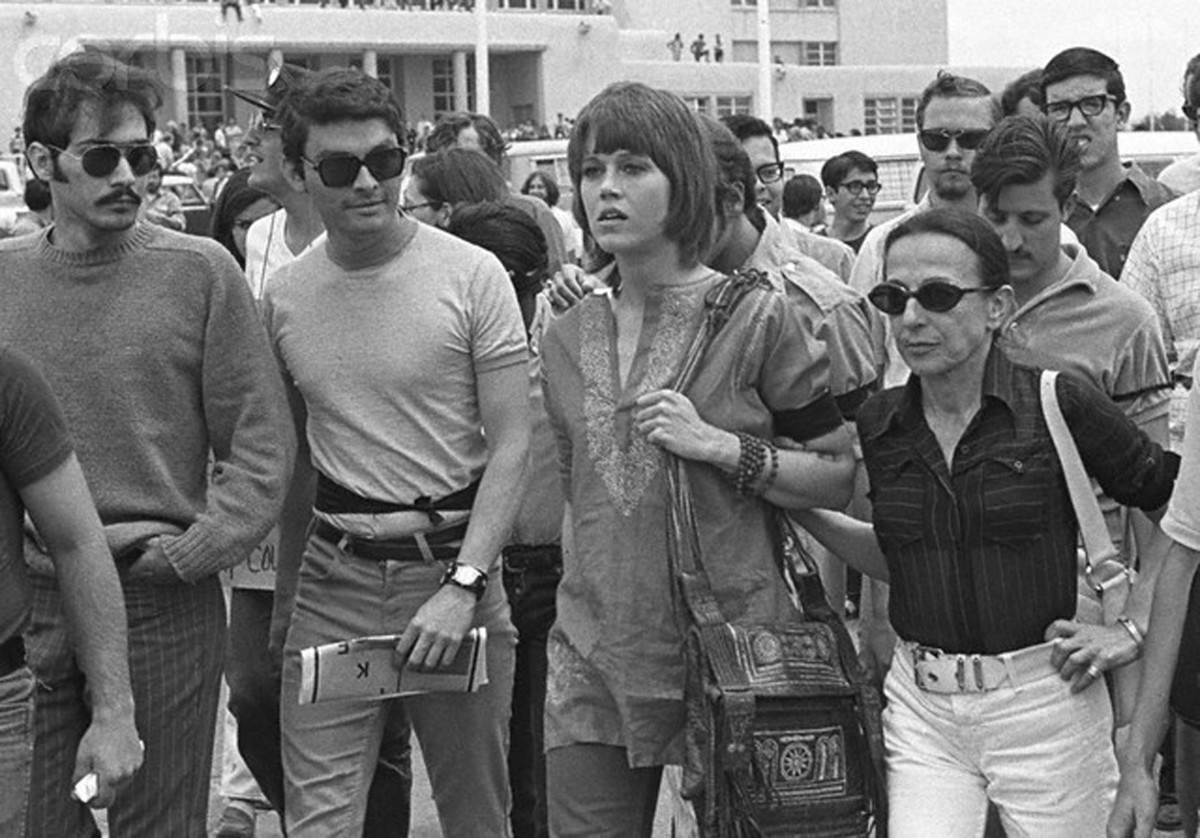
Jane Fonda when she was younger walking, Photo Credit: Wikimedia
Legacy Still Sparks Disagreement
Miller’s appearance on Fox News highlighted how figures from past political battles can remain central in modern debates.
For supporters of Fonda, her activism reflects a long history of speaking out on issues she believes matter.
For critics, the Vietnam-era controversy continues to overshadow later causes and public work.
These opposing interpretations have helped keep her name relevant in discussions far beyond entertainment.
The Ongoing Question of Public Memory
The renewed attention surrounding the 2021 interview showed that events from decades ago can still shape present-day reputations.
Whether viewed as protest, betrayal, or a complicated chapter in American history, the Vietnam controversy remains one of the defining elements of Jane Fonda’s public image.
It also demonstrates how political activism can carry consequences that last for generations.
As debates continue over the meaning of dissent, patriotism, and accountability, Fonda’s history remains a subject of strong and lasting opinion.