

Don McLean’s Difficult Road From Personal Loss to Lasting Musical Legacy
A Life Marked by Hardship and Resilience
Some careers appear to follow a clear and steady path. Others are shaped by setbacks, grief, and repeated attempts to begin again. The life of Don McLean belongs firmly in the second category.
Long before he became an internationally known songwriter, he experienced a childhood filled with instability. Those early years were not defined by comfort or certainty, but by emotional strain and painful family struggles.
McLean has spoken openly about growing up in a difficult environment where conflict was common. He described a home life touched by fear and tension, experiences that left a lasting effect on him as he matured.
Family troubles added further weight to those years. His older sister battled addiction, creating another source of stress within the household and deepening the sense of turmoil around him.
For a young person trying to understand the world, those circumstances created challenges that would shape his outlook for years to come.
The Loss That Changed Everything
Even with those hardships, one moment would stand above all others in defining his early life. It happened when McLean was fifteen years old.
His father, whom he viewed as a source of stability, suddenly collapsed and died in front of him. The shock of witnessing such a devastating event became a turning point he would never forget.
For a teenager already carrying emotional burdens, the loss was overwhelming. It was not simply the death of a parent. It was the sudden disappearance of the person who helped anchor his world.
McLean later reflected on the depth of that grief, saying, “I cried for two years.”
The pain went beyond sadness. He also carried guilt, feeling in some way that he should have known something was wrong or could have prevented it. Such emotions are common after sudden loss, yet they can be especially heavy for someone so young.
That period left a permanent mark on him and influenced the emotional depth that would later become central to his music.
Finding Direction Through Music
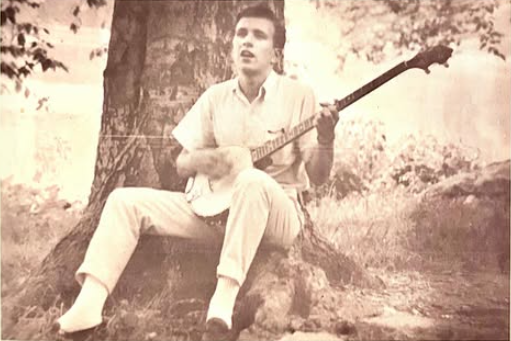
As he grew older, McLean found a path that allowed him to process emotion and create purpose from pain. That path was music.
Because he dealt with asthma, he spent periods separated from ordinary school routines and physical activities. While those limitations created challenges, they also opened time for other pursuits.
He turned toward the guitar and began developing his singing voice. Practice became more than a hobby. It became structure, discipline, and a place to focus energy that might otherwise have remained trapped in grief.
Working carefully with breath control, he built a vocal style that allowed him to sustain long phrases with clarity and feeling. That ability later became one of the recognizable qualities of his performances.
Music offered more than technical skill. It gave him a language for emotions that were difficult to express in ordinary conversation.
Years of Rejection Before Success
Talent did not lead to immediate recognition. Like many artists, McLean faced repeated rejection before finding an audience.
Record labels and industry gatekeepers passed on him again and again. Opportunities failed to materialize. Doors opened briefly, then closed.
He reportedly endured more than seventy rejections before gaining real momentum. For many people, that number would have ended the pursuit entirely.
Instead, he continued writing, performing, and refining his craft. Persistence became one of the defining features of his early career.
Those years of struggle helped prepare him for the opportunities that eventually arrived.

The Release of Tapestry
McLean’s debut album, Tapestry, was released in 1969. It introduced listeners to his songwriting and voice, but it did not instantly transform him into a star.
The album earned attention and respect, showing promise rather than creating a breakthrough. It established a foundation and signaled that he was an artist with something meaningful to say.
Still, the larger success he had pursued for so long remained just out of reach.
That would soon change in dramatic fashion.
The Global Impact of American Pie
Two years later, McLean recorded the song that would define his career: American Pie.
The track became far more than a commercial success. It emerged as a cultural event, inspiring listeners to debate its meaning, revisit its imagery, and connect it to changing times.
Inspired in part by the death of Buddy Holly, the song expanded into a broader reflection on loss, memory, and transformation. Its sweeping structure and layered writing set it apart from standard pop releases of the era.
McLean once described it as a “rock’n’roll dream sequence,” a phrase that captured some of its mystery and movement.
The song reached number one, sold millions of copies, and turned him into a global figure. After years of setbacks, success arrived on an enormous scale.
Listeners around the world embraced it not only as a hit record, but as a piece of storytelling that invited personal interpretation.
A Songwriter With Emotional Range
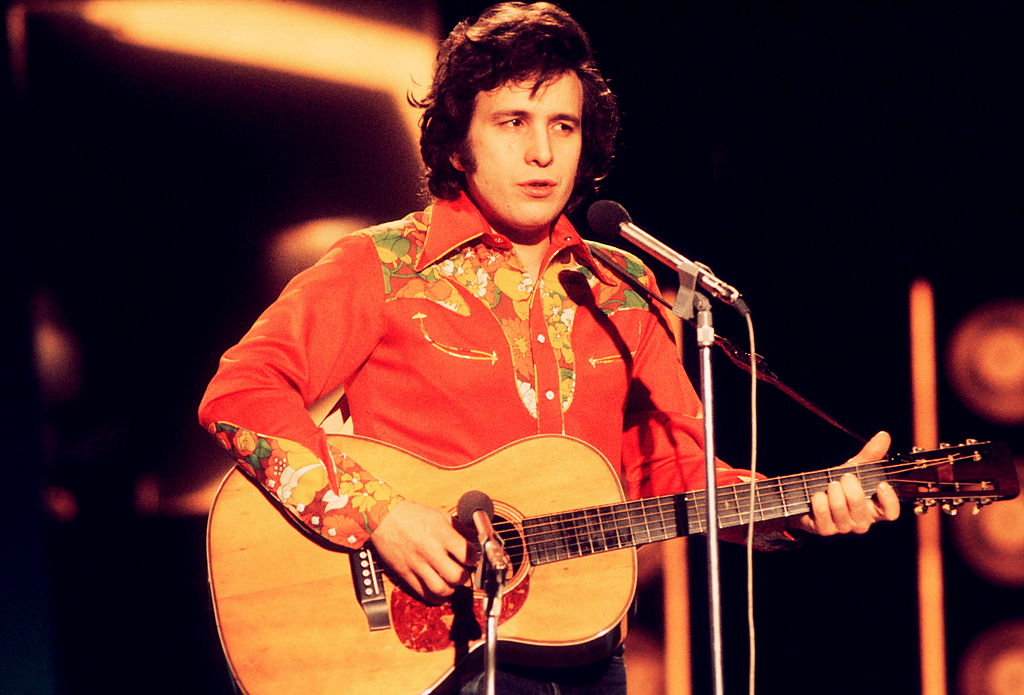
While American Pie became his signature work, it was not the only song that revealed his talent.
Another major example is Vincent, inspired by Vincent van Gogh. The song displayed a different side of McLean’s writing—gentle, observant, and deeply compassionate.
Rather than focusing on spectacle, it explored loneliness, sensitivity, and the inner life of someone often misunderstood.
That ability to connect with pain, whether his own or another person’s, became one of the strongest elements of his catalog.
His music often resonated because it felt emotionally lived rather than merely performed.
Personal Challenges and Public Complexity
Like many public figures, McLean’s life away from the stage has included difficulties and contradictions.
His personal relationships were often described as strained, and his marriages ended in divorce. Later controversies and accusations also influenced public discussion about his legacy.
Such developments created a more complicated image of the man behind the songs. Admirers of the music sometimes had to reconcile artistic achievement with personal conflict.
McLean has challenged some portrayals of his life and said he tried to move beyond the painful patterns he experienced growing up. Others close to him have offered differing perspectives.
As with many long public careers, the full story remains layered rather than simple.

How Pain Became Art
What remains clear is that suffering played a major role in shaping McLean’s creative voice. The losses, fear, and uncertainty of youth did not disappear. Instead, they were transformed into songs that reached millions of people.
The child who felt hurt and unseen became an adult whose work helped listeners feel recognized in their own struggles.
That transformation does not erase hardship, but it shows how deeply personal experiences can be redirected into something meaningful.
Many artists write songs. Fewer manage to turn private pain into music that lasts across generations.
An Enduring Legacy
Today, Don McLean remains a figure defined by both achievement and contradiction. He is remembered as a songwriter whose work captured emotions that are often difficult to explain.
His career stands as proof that success does not always come quickly, and that creative greatness can emerge from years of rejection and sorrow.
The legacy he leaves is not one-dimensional. It includes triumph, controversy, vulnerability, and extraordinary artistic impact.
Yet through every chapter, the music endures.

Somewhere inside those songs is the teenager who lost his father too soon, the young man who refused to give up, and the artist who kept searching for meaning through melody and words.
That search is what continues to connect Don McLean’s work with listeners decades later.