
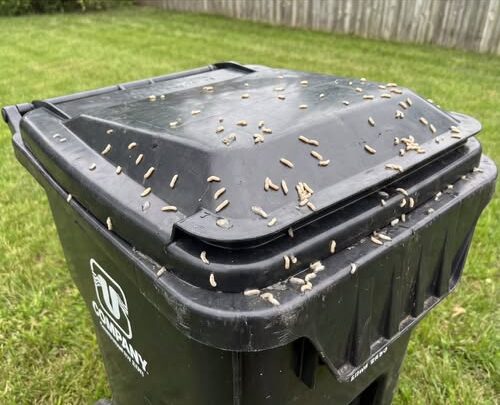
Why Maggots Suddenly Appear in Trash Cans and the Best Ways to Get Rid of Them
Why Opening the Trash Can Can Turn Into a Nightmare
Few household surprises are as unpleasant as discovering maggots crawling inside a garbage bin. One moment everything seems normal, and the next there are tiny white larvae moving through leftover food and trash. The smell alone can make the situation feel unbearable.
Many people assume maggots appear out of nowhere, especially during warm weather. In reality, the problem develops very quickly once flies find the right environment inside a trash can.
The combination of heat, moisture, and rotting food creates ideal conditions for flies to lay eggs. Once that happens, it takes very little time for a small issue to turn into a full infestation.
What Maggots Actually Are
Maggots are the larval stage of flies, most commonly houseflies. Adult flies search for decaying organic material where they can lay eggs safely.
Trash cans filled with food scraps, spoiled meat, fruit remains, greasy packaging, or damp garbage provide the perfect environment. A single fly can lay dozens of eggs at one time.
In warm conditions, those eggs can hatch within a day. The tiny larvae immediately begin feeding on decaying waste inside the bin.
Because garbage containers are usually dark, humid, and warm, they become ideal breeding spaces for flies during spring and summer.
Why Warm Weather Makes the Problem Worse
Hot temperatures speed up the entire process. Heat helps eggs hatch faster and allows larvae to grow more quickly.
During summer, even a trash bag left for a short period can attract flies. Food waste begins producing stronger odors in the heat, making it easier for insects to locate garbage bins.
Outdoor bins exposed to direct sunlight are especially vulnerable. The heat trapped inside acts almost like an incubator for fly eggs and larvae.
This is why maggot infestations often seem to appear overnight during hotter months.
The First Step: Don’t Ignore the Problem
Maggots multiply quickly once they begin feeding. Leaving the infestation untreated can make the smell worse and attract more flies.
The sooner the bin is cleaned, the easier it becomes to stop the cycle.
Although the sight can be unpleasant, dealing with the problem immediately helps prevent a larger infestation later.
Using Boiling Water to Kill Maggots
One of the fastest and most effective methods is pouring boiling water directly onto the larvae.
Extreme heat kills maggots almost instantly. Carefully empty the trash can first if possible, then pour the boiling water over all affected areas.
Pay close attention to the bottom corners and edges of the container where larvae often gather.
The heat also helps loosen grime and food residue stuck inside the bin.
Cleaning With Vinegar and Baking Soda
After removing the maggots, deep cleaning the trash can is important.
A mixture of white vinegar and hot water works well for breaking down residue and removing odors. Adding baking soda creates a fizzing reaction that helps lift grime from the surface.
This method also helps reduce the smells that attract flies in the first place.
Pour the mixture inside the container and allow it to soak briefly before scrubbing.
Scrubbing the Entire Bin Thoroughly
Cleaning only the visible areas is often not enough. Fly eggs can remain hidden in cracks, corners, or under the lid.
Use dish soap, hot water, or disinfectant to scrub every surface inside the container.
The underside of the lid is especially important because flies frequently gather there before laying eggs.
Handles, wheels, and edges should also be cleaned carefully to remove lingering residue and odors.
Why Salt and Lime Can Help
After washing the container, some people add table salt or garden lime to the bottom of the bin.
Both substances help dry out moisture that larvae need to survive. They can also discourage future infestations by creating a less hospitable environment.
This extra step may help reduce the chances of flies returning quickly.
Keeping Trash Bags Properly Sealed
One of the easiest ways to prevent maggots is keeping garbage bags tightly closed.
Open or loosely tied bags release stronger odors and give flies easier access to food waste.
Double bagging especially messy items like meat scraps or seafood waste can help reduce leaks and smells.
Preventing exposure is one of the most effective long-term solutions.
Why Meat and Fish Waste Attract Flies So Quickly
Rotting meat and seafood create strong odors that flies detect rapidly.
Even small scraps left inside a warm garbage can may attract insects within hours.
To reduce the risk, some people freeze meat waste in sealed plastic bags until garbage collection day. Throwing it away shortly before pickup minimizes the time odors remain inside the trash can.
This simple habit can significantly reduce fly activity during warmer seasons.
The Importance of Regular Bin Cleaning
Trash cans often collect residue even when bags are used properly. Liquids leak, food sticks to the sides, and odors gradually build up.
Rinsing the container regularly helps stop bacteria, smells, and insect attraction before the problem becomes severe.
A quick weekly rinse using water and vinegar can help keep the interior cleaner and less attractive to flies.
Routine maintenance is far easier than dealing with a large infestation later.
How Trash Bin Liners Help
Bin liners create a protective layer between garbage and the actual container.
They help reduce leaks, prevent food residue from sticking to surfaces, and make cleanup faster.
Less moisture inside the bin means fewer conditions that allow larvae to survive.
Using liners consistently can make a noticeable difference during hot weather.
Keeping the Lid Fully Closed
Even a slightly open lid can give flies an opportunity to enter the container.
Flies only need a small opening to reach food waste and lay eggs.
Always making sure the lid closes completely is one of the simplest prevention methods available.
Damaged lids or containers with cracks may need repair or replacement if infestations continue happening.
Natural Ways to Discourage Flies
Some people use natural materials to help repel insects around garbage bins.
Diatomaceous earth is commonly sprinkled inside containers because it helps dehydrate larvae and insects.
Bay leaves are also used in some households because their strong scent may discourage flies from lingering around the trash.
These methods are often combined with regular cleaning and sealed garbage bags for better results.
Using Citrus and Essential Oils Around Trash Bins
Strong scents like lemon, peppermint, eucalyptus, and citrus are often used to mask odors that attract flies.
Placing citrus peels inside the trash can or applying essential oils near the lid may help reduce insect activity.
While these methods alone may not stop a major infestation, they can support other prevention efforts.
Keeping the container smelling cleaner may make it less appealing to flies searching for food sources.
Extra Protection During Summer
Hot weather requires more frequent attention to outdoor garbage containers.
Spraying the inside of the bin weekly with diluted vinegar or bleach can help reduce odors and bacteria buildup.
Allowing the container to dry fully after cleaning is also important because moisture encourages larvae survival.
Bins stored in shaded areas may stay cooler and become slightly less attractive to flies.
Why Maggots Don’t Necessarily Mean a Dirty Home
Finding maggots in a garbage can does not automatically mean someone has poor hygiene.
Flies are highly effective at locating food waste, especially during warm weather. Even clean homes can experience infestations if trash sits outside too long or food waste is exposed.
The problem is often more related to temperature, moisture, and timing than overall cleanliness.
Understanding how infestations happen makes them easier to prevent and manage.
Taking Control of the Situation
Maggots in the trash can are unpleasant, but the issue can usually be solved quickly with proper cleaning and prevention.
Boiling water, vinegar cleaning, thorough scrubbing, and moisture control remain some of the most effective ways to eliminate larvae.
Simple habits like sealing garbage bags tightly, keeping lids shut, and rinsing bins regularly can greatly reduce future infestations.
With consistent maintenance, trash cans become far less attractive to flies looking for a place to lay eggs.