
The Truth About Boiled Eggshell “Medicine” That Many Families Never Questioned
Why Eggshell Remedies Became So Popular
For generations, countless households believed eggshells held powerful healing properties. Families passed down recipes and home remedies that involved boiling shells, crushing them into powder, or mixing them into drinks meant to improve health and strengthen the body.
To many people, these traditions felt natural and harmless. Eggshells were inexpensive, easy to find, and connected to a long history of practical home living. In difficult times, simple remedies often became symbols of comfort and self-reliance.
Over the years, stories about eggshell “medicine” spread widely. Some believed the boiled shells could strengthen immunity. Others claimed they could cure illness, prevent disease, or replace expensive supplements and treatments.
But modern understanding paints a much more careful and realistic picture.
The Difference Between Tradition and Medical Reality
Boiled eggshells are not miracle cures. They cannot heal serious diseases, replace professional medical care, or provide magical protection for the body.
Despite the powerful stories attached to them, eggshell remedies do not offer the kind of dramatic medical benefits that many people once believed. Relying on them instead of proper treatment can create false confidence and delay important healthcare decisions.
Much of the confusion comes from the fact that eggshells do contain calcium. Because calcium plays an important role in bone health, many people assumed eggshell mixtures could serve as a powerful natural medicine.
The reality is far more limited and far less dramatic.
What Eggshells Actually Contain
Eggshells are mostly made of calcium carbonate. This mineral is also commonly found in many calcium supplements used to support healthy bones and teeth.
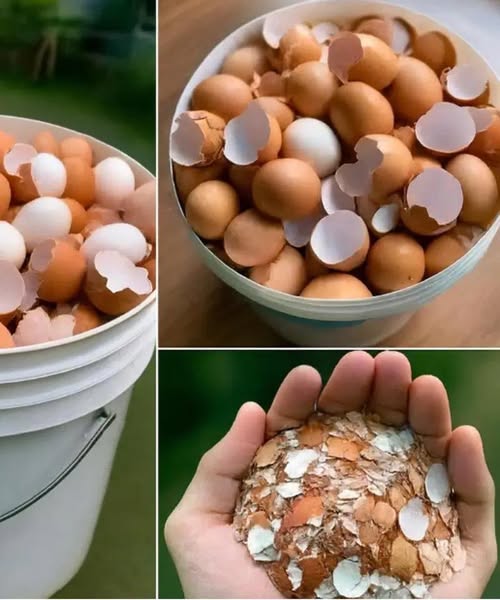
When eggshells are properly cleaned, dried, and finely ground, they can provide a small amount of dietary calcium. Some people choose to mix tiny amounts into certain foods as part of a balanced diet.
That does not make eggshell powder a replacement for medical nutrition or professional advice. It is simply one modest source of calcium among many others.
Its usefulness depends heavily on safe preparation and sensible use.
The Importance of Safe Handling
One reason experts urge caution is that eggshells are not automatically safe to consume straight from the kitchen. Improperly cleaned shells may carry bacteria or contaminants that can create health risks.
Before any reuse, shells must be thoroughly washed and carefully dried. Many people boil them specifically to help sanitize the surface before grinding them into fine powder.
Even then, moderation matters. Large amounts are unnecessary and may not be appropriate for everyone.
The idea that “more is better” is one of the biggest misunderstandings surrounding homemade remedies.
Why Old Remedies Often Feel Convincing
Traditional remedies survive for many reasons beyond science alone. They are tied to memory, culture, and family experience. When grandparents or parents swear by a method, it naturally gains emotional weight.
In many homes, eggshell remedies became symbols of resourcefulness. People learned to avoid waste and make use of every available ingredient.
That mindset itself carried value. Reusing leftovers and respecting resources helped many families through difficult years.
But emotional attachment does not automatically turn a tradition into proven medicine.
The Risks of Treating Myths Like Medical Facts
One of the greatest dangers comes when simple household practices are presented as cures for serious conditions. Claims that eggshell water can fight disease, dramatically boost immunity, or replace medical treatment create unrealistic expectations.
Health decisions should be based on accurate understanding, not fear or exaggerated promises.
Simple remedies can sometimes support everyday wellness habits, but they should never be treated as magical solutions. The human body is complex, and serious medical conditions require proper care.
Separating practical habits from exaggerated claims helps people make safer and more informed choices.
The Surprisingly Useful Side of Eggshells
Although eggshells are not miracle medicine, they still have practical value when reused responsibly.
One of the most useful applications is in gardening. The mineral-rich water left after boiling shells can return calcium and trace minerals to soil, helping nourish plants naturally.
Crushed shells are also commonly added to compost or mixed into garden beds. Instead of throwing them away, many households choose to recycle them in ways that reduce waste and support healthier soil.
In this sense, eggshells become less about miracle cures and more about thoughtful living.
Finding Meaning in Simplicity
There is something quietly valuable about turning ordinary leftovers into something useful. Even without magical health claims, eggshell reuse reflects a mindset centered on care, balance, and practicality.
The lesson is not that eggshells secretly heal disease. The lesson is that everyday objects can still hold purpose when approached realistically and responsibly.
Simple habits often become more meaningful when separated from myths and exaggerated promises.
Sometimes the healthiest approach is not chasing miracle cures, but building steady routines based on common sense and moderation.
Why Science Matters
Modern understanding continues to challenge many old beliefs that once seemed unquestionable. That process can feel uncomfortable, especially when traditions are deeply connected to family memories and personal identity.
But questioning long-held assumptions is an important part of learning. Science does not erase tradition entirely. Instead, it helps separate what is genuinely useful from what may simply be folklore.
In the case of eggshell remedies, the truth lands somewhere in the middle. The shells are neither dangerous poisons nor miracle medicines.
They are simply a natural material with limited but practical uses.
A More Balanced Perspective
The fascination with eggshell “medicine” reflects a larger human desire for easy answers and natural solutions. People naturally want affordable ways to feel healthier and safer.
But real wellness rarely comes from one magical ingredient. It comes from balanced nutrition, informed decisions, proper healthcare, and sustainable habits practiced over time.
Eggshells may contribute a small amount of calcium when safely prepared, and they may provide helpful minerals for gardens and compost. Beyond that, their value lies more in mindful reuse than in extraordinary health claims.
That quieter truth may not sound as dramatic as the stories passed down for generations, but it is far more honest.
The Real Lesson Hidden Inside the Tradition
In the end, the most important takeaway is not about miracle cures at all. It is about learning to think carefully, question exaggerated promises, and appreciate practical solutions without turning them into myths.
Eggshells remind people that usefulness and simplicity still matter. They show how small household habits can reduce waste and encourage more thoughtful living.
At the same time, they also reveal how easily ordinary practices can become surrounded by unrealistic expectations over time.
The truth is less mystical than many hoped, but perhaps more meaningful in another way. Instead of chasing impossible promises, people can focus on balanced habits, reliable knowledge, and small choices that genuinely support healthier living.