
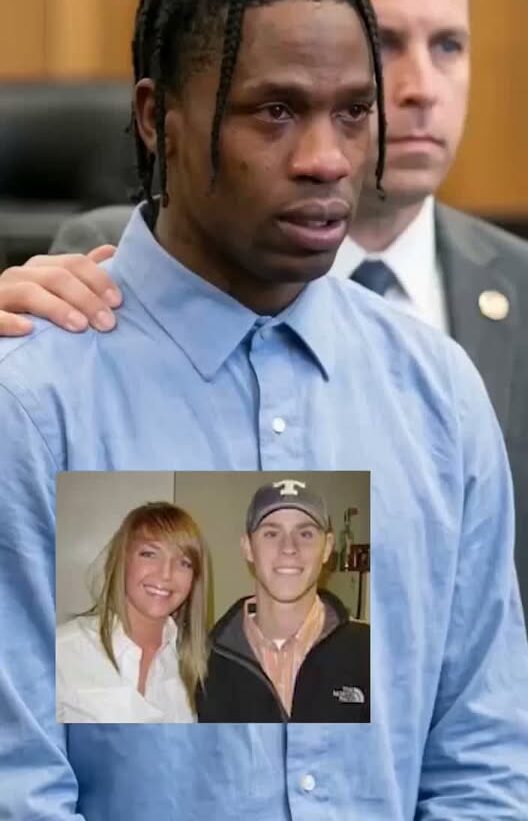
Channon Christian and Christopher Newsom Case: A Tragedy That Left a Lasting Impact
A Case That Drew National Attention
The case involving Channon Christian and Christopher Newsom remains one of the most widely discussed criminal cases in the United States. What began as a routine evening for a young couple in Knoxville, Tennessee, ultimately became a tragedy that shocked a community and remained in public conversation for years.
In January 2007, Christian and Newsom disappeared after going out together. Their absence quickly raised concerns among relatives, friends, and local residents who feared something had gone wrong.
As concern grew, efforts to locate the couple intensified. Investigators worked to piece together information and follow leads in an attempt to determine what had happened.
The search eventually uncovered evidence that pointed to a violent criminal event. Authorities later determined that the couple had been carjacked and taken to a residence where multiple individuals became involved in a series of serious crimes.
The details surrounding the case deeply affected the Knoxville community. News of the investigation spread rapidly and attracted attention far beyond the local area.
For many people, the case became a symbol of profound loss and grief. The impact on the victims’ families and loved ones resonated throughout the legal proceedings that followed.
The Investigation and Arrests
As investigators continued gathering evidence, authorities worked to identify those responsible. The investigation eventually led to the arrest of several individuals connected to the crimes.
The arrests marked a significant development in the case and opened the door to a lengthy legal process. Prosecutors moved forward with charges while preparing to present evidence in court.
The seriousness of the allegations resulted in intense public interest. Community members closely followed updates as the legal system began addressing the case.
From the beginning, the proceedings carried enormous emotional weight. The families of Channon Christian and Christopher Newsom were forced to confront not only their loss but also the realities of a complex court process.
The investigation and arrests brought a measure of accountability, but they also marked the start of years of legal challenges that would keep the case in public discussion.
Trials and Court Proceedings
The courtroom phase of the case became lengthy and complicated. Prosecutors pursued severe penalties, while defense attorneys challenged various aspects of the proceedings.
Legal arguments focused on issues connected to courtroom procedures, trial decisions, and sentencing matters. These disputes contributed to a prolonged legal timeline.
As trials moved forward, the case continued attracting public attention. Many people followed developments closely because of both the seriousness of the crimes and the significance of the legal questions involved.
Throughout the proceedings, the courts were tasked with examining evidence, evaluating legal arguments, and ensuring that the judicial process followed established standards.
Each stage of the case brought renewed public focus. Court hearings, rulings, and procedural decisions frequently generated discussion and media attention.
The legal process demonstrated how major criminal cases can extend far beyond the initial investigation. Even after important decisions were reached, additional legal questions remained.
Appeals Extended the Legal Journey
One of the defining features of the case was the number of appeals and reviews that followed the original convictions. These proceedings kept the matter active for many years.
Higher courts examined issues involving jury decisions, sentencing outcomes, and trial procedures. Each appeal required judges to review arguments and determine whether legal standards had been properly applied.
As a result, the case remained part of public conversation long after the original trials concluded. New rulings and court actions repeatedly brought attention back to the events.
For the victims’ families, the appeals process was particularly difficult. Every new hearing represented another return to painful memories and another period of waiting for legal outcomes.
The prolonged nature of the proceedings illustrated the complexity of the justice system. Criminal cases involving serious charges often continue through multiple levels of review before all legal avenues have been exhausted.
Although appeals are an established part of the judicial process, they can also create emotional challenges for those directly affected by a crime.
In this case, the ongoing legal activity ensured that the tragedy remained visible to the public for years after the initial events.
Broader Questions Raised by the Case
Beyond the facts of the investigation and the court proceedings, the case sparked broader discussions about important legal and social issues.
Many observers focused on questions involving victims’ rights and the experiences of families navigating lengthy criminal proceedings.
The case also generated conversations about courtroom fairness and the responsibilities of the justice system when handling serious criminal matters.
For some, the extended legal process highlighted the challenges of balancing procedural protections with the desire for final resolution.
Others pointed to the emotional burden carried by families during years of hearings, appeals, and legal reviews.
The case demonstrated that the impact of a crime often extends beyond the initial incident. Court proceedings, legal challenges, and public attention can continue affecting families long after convictions are secured.
As the years passed, these broader discussions became an important part of the case’s legacy.
Convictions and Sentencing Outcomes
Despite the legal challenges and procedural disputes that arose over time, multiple defendants were ultimately convicted.
The convictions represented a significant moment in the pursuit of accountability. Court decisions resulted in substantial penalties under the law.
Some defendants received life sentences without the possibility of parole. Additional penalties were also imposed in accordance with legal rulings.
These outcomes reflected the seriousness of the crimes and the conclusions reached by the courts after extensive proceedings.
For many observers, the verdicts provided a measure of justice. However, the legal battles did not immediately come to an end.
Appeals and related court actions continued to shape the case for years, ensuring that legal questions remained part of the ongoing discussion.
The lengthy process illustrated that even after convictions are obtained, significant criminal cases can continue moving through the judicial system for an extended period.
A Lasting Legacy
Today, the Channon Christian and Christopher Newsom case remains remembered as both a devastating tragedy and a significant legal case.
The events left a lasting impression on Knoxville and on many people who followed the story across the country.
For the families involved, the case represents an enduring loss that cannot be measured solely through court outcomes or legal decisions.
For the broader public, it serves as a reminder of the profound effects violent crime can have on individuals, families, and entire communities.
The case also underscores the importance of accurate and verified information, particularly when public attention and strong emotions surround a major criminal matter.
As time has passed, the focus has increasingly remained on remembering Channon Christian and Christopher Newsom and acknowledging the grief experienced by those who loved them.
The long legal journey that followed their deaths continues to be viewed as an example of how complex and demanding the pursuit of justice can become.
Years after the events first unfolded, the case continues to stand as a powerful reminder of loss, accountability, and the challenges faced by families seeking resolution through the legal system.
Its legacy remains tied not only to the courtroom decisions that followed but also to the lasting impact left on a community that was forever changed by the tragedy.