
What Legs Can Reveal About Confidence, Lifestyle, and Self-Acceptance
The Quiet Language of Posture and Movement
Long before a person speaks, the body has already begun communicating. The way someone stands, walks, shifts their weight, or rests their legs can create a subtle impression that others may notice without fully realizing it.
Legs are often seen only through the lens of appearance, but they also reflect movement, balance, comfort, strength, and habit. They help form the outline of a person’s presence in a room and can quietly suggest confidence, tension, ease, or restlessness.
This does not mean every gesture should be judged or analyzed too sharply. Human movement is complex, and no single posture can define a person. Still, the way legs carry the body often contributes to the story others perceive.
A steady stance can suggest calmness and assurance. A nervous shuffle may hint at unease or distraction. A relaxed posture can signal comfort, while a rigid one may show tension or self-consciousness.
These impressions are not always intentional. Much of the body’s language comes from patterns built over time. Daily routines, emotional states, personal habits, and physical structure all influence how a person moves and stands.
Every Pair of Legs Carries a Personal Story
Legs are shaped by more than style or fitness. They carry traces of genetics, natural body structure, muscle tone, posture, movement habits, and everyday life. Each pair reflects a combination of factors that cannot be reduced to simple standards of beauty.
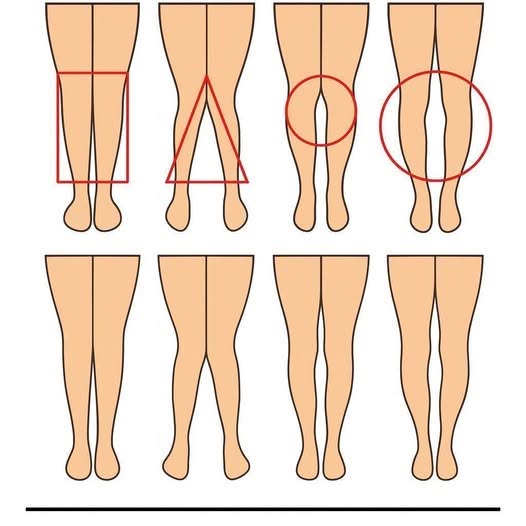
Some people naturally have knees that angle inward or outward. Some have thighs that touch, ankles that align closely, or legs that create wider spacing when they stand. These differences are part of the body’s natural architecture.
Genetics plays a major role in these traits. Bone structure, proportions, and alignment are not things people simply choose. They are part of the physical foundation each person inherits and lives with.
At the same time, the way someone inhabits that structure is deeply personal. How a person plants their feet, balances their weight, and moves through space can show comfort or discomfort in their own body.
A grounded stance may feel powerful because it suggests stability. It can give the impression of someone who feels present, aware, and comfortable occupying space.
By contrast, constant shifting can suggest nervous energy or a mind that is elsewhere. A person may cross and uncross their legs, bounce one foot, or repeatedly change position when they are uneasy or distracted.
These small movements can be easy to overlook, but they often form part of how people read one another. Without a word, the body provides clues about mood, energy, confidence, and attention.
Confidence Often Begins With Presence
Confidence is not only expressed through bold words or dramatic gestures. Sometimes it appears in stillness, balance, and the simple ability to stand comfortably without shrinking away.
Leg posture can play an important role in that impression. When someone stands firmly, with their weight balanced and their body open, they may appear more assured even if they are saying very little.
This kind of presence does not require perfect posture or a specific body type. It comes from the relationship between the body and the space around it. A person who seems comfortable standing naturally often communicates quiet confidence.
Movement can do the same. A measured walk can suggest calm control. A rushed or uneven pace may give a different impression, especially when paired with tense shoulders, lowered eyes, or restless hands.
None of these signs should be treated as fixed rules. People move differently for many reasons. Fatigue, stress, clothing, physical comfort, and habit can all affect how someone walks or stands on any given day.
Still, the broader message remains important. Legs do not simply carry the body from one place to another. They help shape how presence is felt and how self-assurance is perceived.
Tension, Restlessness, and the Body’s Small Signals
The body often expresses what the face tries to hide. Legs can reveal tension through small, repeated movements that happen almost automatically.
A tapping foot, a restless shift from one leg to the other, or a tightly crossed position may suggest inner pressure. These habits can appear during waiting, uncertainty, discomfort, or moments when someone feels exposed.
Restlessness is not always negative. It can also show energy, alertness, or anticipation. A person may move frequently because they are engaged, excited, or mentally active.
However, when movement becomes sharp, repetitive, or unsettled, it can create the impression of nervousness. Others may sense that tension even if they cannot identify exactly why.
In this way, legs become part of a larger emotional pattern. They respond to mood, environment, and self-awareness. They can show whether someone feels grounded or disconnected, relaxed or guarded.
These signals are often quiet, but they can still be powerful. A person may say they are calm while their body tells a different story through stiffness, shifting, or hesitation.
How Lifestyle Shapes the Way We Move
Daily life leaves visible traces in movement. The way a person walks, stands, and rests can reflect habits built over months or years.
Someone who spends long hours sitting may develop a different posture from someone who walks often or stands throughout the day. A person used to moving with purpose may carry themselves differently from someone who feels physically tired or mentally drained.
Legs adapt to routine. They respond to activity, inactivity, strength, balance, and comfort. Over time, these patterns can influence how a person appears in public and how they feel privately.
Muscle tone also contributes to the story. It can affect how legs support the body, how steady a person appears, and how easily they move. But muscle tone should not be confused with worth or attractiveness.
The more meaningful point is that legs are functional as well as visual. They carry weight, absorb strain, guide movement, and help a person navigate daily life.
When viewed this way, legs become less about comparison and more about resilience. They are part of the body’s history, shaped by use, change, and adaptation.
Fashion Sharpens the Message
Clothing can change the way legs are perceived. Fashion does not create the body’s structure, but it can frame it, soften it, emphasize it, or redirect attention.
Wide-leg trousers create movement and flow. They can make each step feel looser and more expressive, allowing fabric to move with the body rather than cling to it.
Fitted jeans create a different effect. They trace the lines of the legs more closely and can highlight shape, posture, and proportion.
Skirts may reveal or conceal movement depending on their length, cut, and fabric. Some styles allow legs to become part of the visual rhythm of walking, while others create a more reserved silhouette.
Each choice sends a subtle message. Clothing can make a person appear relaxed, structured, playful, elegant, confident, or guarded.
But fashion is not only about how others see the body. It also affects how a person feels inside their own skin. The right clothing can help someone move with more ease and stand with more assurance.
When style supports comfort, it can strengthen presence. When clothing feels restrictive or chosen only to satisfy outside judgment, it may increase self-consciousness.
Observation Without Judgment
There is a difference between observing the body and judging it. Observation notices posture, movement, rhythm, and presence. Judgment turns those details into criticism.
Legs should not be treated as objects of scrutiny. They are not proof of discipline, beauty, success, or failure. They are part of a living body with its own structure and history.
When people look at legs only through standards of perfection, they often miss the more human story. Natural variation becomes something to correct instead of something to understand.
Some bodies have straight lines. Others have curves, angles, asymmetry, or softness. These differences do not reduce value. They simply reflect the variety of human form.
By shifting from criticism to awareness, the meaning changes. Legs become symbols of movement, endurance, and identity rather than measurements to compare.
This perspective allows people to see themselves more kindly. Instead of asking whether their legs match a narrow ideal, they can ask what those legs have carried them through.
Strength Is Not Always Visible
Strength is often misunderstood as something that must look a certain way. In reality, strength can be quiet, practical, and deeply personal.
Legs may carry someone through long days, difficult seasons, physical changes, and emotional challenges. They may support work, caregiving, travel, recovery, or simply the demands of ordinary life.
Not every form of strength is visible in muscle definition or posture. Some strength appears in persistence. Some appears in balance. Some appears in the simple act of continuing to move forward.
This is why appearance alone tells only a small part of the story. A pair of legs may not match a polished ideal, yet they may represent years of endurance and adaptation.
Recognizing that can soften the way people look at themselves. The body becomes more than something to assess. It becomes something to respect.
The Link Between Body Awareness and Self-Acceptance
Self-acceptance often begins with noticing the body without immediately trying to correct it. This includes noticing how one stands, walks, rests, and moves through the world.
Awareness can reveal habits. A person may discover they often stand with tension, shrink their posture, rush their steps, or hide parts of themselves through clothing.
These realizations do not have to lead to criticism. They can become invitations to move more comfortably, dress more honestly, and occupy space with less apology.
Legs can become a reminder that the body is not only something to be seen. It is something to be lived in.
When someone begins to appreciate function, structure, and presence, comparison loses some of its power. The focus shifts from looking perfect to feeling more at home in the body.
This shift can affect style as well. Clothing becomes a form of expression rather than a disguise. Movement becomes less about hiding flaws and more about carrying oneself with ease.
Style as a Form of Personal Expression
Fashion can help translate body awareness into visible confidence. The way a person dresses their legs can reflect personality, mood, comfort, and the image they want to project.
Some may choose flowing shapes because they enjoy movement and softness. Others may prefer fitted lines because they like structure and definition. Some may alternate between both, depending on the day.
There is no single correct way to dress the body. The most meaningful style choices are often the ones that allow a person to feel natural and present.
When clothing aligns with self-acceptance, it becomes less about hiding and more about framing. It highlights not perfection, but individuality.
Every step can then feel more intentional. Not because it is staged, but because the person wearing the clothes feels connected to their own body.
From Comparison to Appreciation
Many people learn to compare their bodies before they learn to appreciate them. Legs are often part of that comparison, judged by shape, length, size, alignment, or tone.
But comparison rarely leads to peace. It turns natural differences into personal flaws and makes the body feel like a project that is never finished.
Appreciation offers another path. It recognizes that legs are not only visual features. They are instruments of movement, balance, support, and survival.
They have carried people through childhood, work, travel, celebration, grief, fatigue, recovery, and change. They have adapted to weight, routine, age, and emotion.
Seen in this light, legs are not silent after all. They tell a story of endurance, habit, presence, and identity.
That story is not about perfection. It is about living, moving, standing, and continuing forward in a body that is uniquely one’s own.
A More Human Way to See the Body
The way legs stand, move, and rest can reveal more than people often realize. They can hint at confidence, tension, lifestyle, comfort, and self-perception.
They can also be shaped by factors beyond personal control, including genetics, bone structure, and natural alignment. For that reason, they should be viewed with care rather than harsh judgment.
Fashion may sharpen the message, but it does not replace the deeper story. Clothes can frame movement, highlight lines, or create a chosen impression, yet the body beneath still carries its own history.
When people stop treating legs as objects of scrutiny, they can begin to see them as signs of resilience. They are part of the body’s quiet record of where it has been and what it has endured.
In that recognition, style becomes more than presentation. It becomes a tool for self-respect, confidence, and acceptance.
The lines, angles, and rhythm of the legs may whisper many things, but their most important message is simple. They are part of a life being carried forward, one step at a time.