
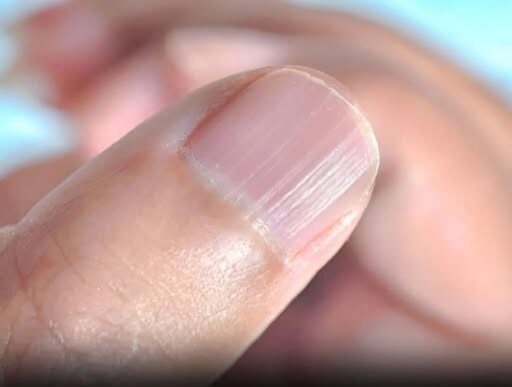
What Your Fingernails May Reveal About Your Health
Your Nails Can Reflect More Than Grooming Habits
Fingernails are often treated as a simple part of personal grooming. Many people think of them mainly as something to trim, shape, clean, or decorate with polish.
However, nails can also offer visible clues about what may be happening inside the body. Because nails grow continuously, they depend on steady nourishment, oxygen, and blood flow to remain strong and healthy.
When that process is interrupted, changes may begin to appear on the nail surface, in the nail color, or in the shape of the nail itself. These changes do not always mean something serious is wrong, but they can sometimes point to nutrition problems, stress on the body, or underlying health concerns.
Nail growth can reflect how well the body digests food and absorbs important nutrients. If nutrient absorption is disrupted, or if circulation and heart function are affected, the nails may eventually show signs of that strain.
For this reason, paying attention to fingernails can be a simple way to notice changes that might otherwise be missed. While most nail changes are harmless, unexplained or persistent abnormalities should not be ignored.
Beau’s Lines May Follow Illness Or Physical Stress
Beau’s lines are deep grooves or ridges that run across the nail from side to side. They can appear when nail growth temporarily slows or stops.
This may happen after the body has gone through a severe illness, infection, or major physical stress. Illnesses such as COVID-19, high fevers, and treatments such as chemotherapy have been linked with these visible nail grooves.
In some cases, the disruption is strong enough that the nail stops growing altogether for a time. This may lead to a condition known as onychomadesis, where the nail can eventually separate or shed.
Beau’s lines are not always a reason to panic. They may simply show that the body experienced a period of stress and then resumed normal growth.
Still, when these lines appear repeatedly or continue to develop without a clear reason, it is wise to speak with a doctor. Persistent changes may offer useful insight into how the body is responding to illness, stress, or another ongoing issue.
Clubbing Can Be Connected To Heart Health
Nail clubbing occurs when the fingertips become swollen and the nails curve downward around the tips of the fingers. This change often develops slowly, which can make it difficult to notice at first.
Because clubbing may happen gradually, some people only recognize it once the nail shape has changed significantly. In certain cases, this nail pattern can be linked to heart disease.
Other symptoms may appear along with the nail changes. These can include swollen ankles, extreme tiredness, and chest pain.
Some people naturally have clubbed nails, and not every case points to a serious condition. However, a noticeable change in nail shape should be taken seriously, especially when it appears with other concerning symptoms.
Seeking medical advice can help determine whether the nail change is harmless or connected to a deeper health issue. Early attention may be important when heart-related symptoms are also present.
Spoon-Shaped Nails May Point To Low Iron
Spoon-shaped nails curve inward, creating a dipped appearance in the center of the nail. This condition is often associated with iron-deficiency anemia.
Iron deficiency can occur for several reasons. It may appear after pregnancy, from poor nutrition, from digestive problems, or in connection with celiac disease.
When the body does not have enough iron, other symptoms may also develop. These can include pale skin, headaches, shortness of breath, and general weakness.
Spoon-shaped nails should not be dismissed as only a cosmetic change. A blood test can help confirm whether anemia is present.
Treatment often involves iron supplements and changes to the diet. Addressing the underlying deficiency can support both nail health and overall well-being.
Pitting Or Dents Can Be Linked To Skin Conditions
Small dents, pits, or tiny depressions on the nail surface can sometimes be connected to skin disorders. These marks may appear as scattered imperfections across one or more nails.
Nail pitting is often associated with psoriasis, eczema, or alopecia areata. These conditions usually cause other symptoms in addition to nail changes.
Psoriasis may lead to dry, scaly patches on the skin. Eczema can cause redness, itching, cracked skin, and irritation.
Alopecia areata is linked with patchy hair loss. When nail pitting appears alongside skin changes or hair loss, it may help point toward the underlying condition.
Mild nail pitting may not always require treatment. More severe cases may be managed with treatments such as corticosteroids or vitamin D3 therapy, along with care for the related skin condition.
A dermatologist can help identify what is causing the dents and whether treatment is needed. Getting a clear diagnosis can prevent confusion and help manage the condition more effectively.
Dark Streaks Under The Nail Should Be Checked
Some nail changes can signal serious health concerns. One of the most important signs to watch for is an unexplained dark streak running vertically along the nail.
This type of discoloration can sometimes be associated with melanoma, the most serious form of skin cancer. When melanoma develops under a nail, it is known as subungual melanoma.
Not every dark line beneath a nail means cancer. Some discoloration may have other causes, but it should still be evaluated when it appears without a clear explanation.
Subungual melanoma is relatively rare, but it can spread quickly if it is not treated. That is why early attention is important.
A dark streak that grows, changes, widens, or appears suddenly should not be ignored. A dermatologist can examine the nail and determine whether further testing or treatment is necessary.
Terry’s Nails May Signal Internal Health Problems
Terry’s nails describe a pattern where most of the nail bed appears white, while only a narrow red or pink strip remains near the tip. This change can affect the overall appearance of the fingernails.
In some people, Terry’s nails may be related to normal aging. However, they are also linked with several serious health conditions.
These include liver disease, diabetes, and heart disease. When liver problems are involved, other symptoms may also appear.
Possible signs can include jaundice, fatigue, and loss of appetite. Jaundice causes yellowing of the skin and can be an important warning sign.
Because Terry’s nails can be connected to internal conditions, it is important to seek medical advice if this discoloration appears. A healthcare professional can help identify the cause and decide what steps are needed.
Yellow Nails Are Not Always Caused By Polish
Yellow nails are commonly linked to fungal infections. A fungal infection may also cause the nail to thicken, crumble, or lift away from the nail bed.
These infections can take time to treat and often require patience. The nail may improve slowly as healthy nail growth replaces the damaged area.
However, yellow nails are not always caused by fungus or staining from nail polish. They can also be associated with thyroid disease, diabetes, psoriasis, or lung disease.
When yellowing appears without an obvious cause, it should be taken seriously. This is especially true if the discoloration persists or appears with other symptoms.
Treating the underlying cause can help prevent complications and may allow the nails to return to a healthier appearance. Persistent yellowing can be one way the body signals that something needs attention.
Regular Nail Checks Can Support Better Awareness
Fingernails can act as a small visible window into the body’s overall condition. They may show signs of nutrient deficiency, low oxygen levels, physical stress, or other health concerns.
Many nail changes are minor and do not point to anything dangerous. A small spot, ridge, or temporary change may disappear on its own as the nail grows.
Still, it is important to notice changes that cannot be explained. Nail abnormalities that persist, spread, change shape, or appear with other symptoms should be discussed with a healthcare professional.
A quick nail check can become a simple habit. Looking at the color, texture, shape, and surface of the nails may take only a few minutes, but it can help you stay more aware of your health.
There is no need to become overly worried about every small change. The goal is not fear, but awareness.
When something unusual remains over time, asking a doctor for guidance is the safest choice. Your nails may not provide a diagnosis on their own, but they can sometimes offer an early signal that your body needs attention.