
Items You Should Never Leave Inside Your Car During Hot Summer Weather
As temperatures rise during the summer months, many drivers become more relaxed about what they leave behind in their vehicles. A quick stop at the store, a trip to the beach, or a busy day filled with errands can easily lead to bags, bottles, cans, and personal items being forgotten in the back seat.
At first, it may not seem like a serious problem. A parked car often feels like a convenient temporary storage space, especially when you are tired, distracted, or planning to return shortly. But during hot weather, the inside of a vehicle can become a risky environment for many everyday products.
Some items can be damaged by heat. Others can leak, burst, lose effectiveness, or even create safety hazards. While most people understand the danger of leaving children or pets inside a parked car, fewer people realize that common household items can also become unsafe when exposed to high temperatures for too long.
Why a Hot Car Can Quickly Become a Problem
A car parked in the summer sun can trap heat quickly, turning the cabin into a much hotter space than the air outside. Items left on seats, floors, dashboards, or in storage areas can be exposed to intense temperatures for hours without anyone noticing.
This matters because many everyday products are not designed to sit in extreme heat. Packaging can weaken, pressure can build, liquids can expand, and chemical compounds can change. What seemed harmless when tossed into the car in the morning may become a mess or a hazard by the afternoon.
Clutter can make the problem worse. Jackets, shopping bags, beach supplies, drink containers, and small personal items often pile up over time. When the car starts being treated like a storage unit, it becomes easier to forget what is inside and harder to notice when something risky has been left behind.
Summer is a good time to be more careful about what stays in your vehicle. Removing certain items at the end of the day can help protect your car, your belongings, and anyone who uses the vehicle later.
Aerosol Products Can Become Dangerous in Heat
Spray paint, hairspray, and household cleaners are among the items that should not be left inside a hot vehicle. These products are often stored under pressure, which makes them especially vulnerable when temperatures climb.
As the heat increases inside the car, pressure inside the container can also rise. If the can becomes too hot, it may begin to leak, rupture, or burst. In extreme cases, this can create a dangerous situation inside the vehicle.
Even if the container does not explode, a leak can still cause problems. Chemicals from household products or sprays can damage upholstery, stain surfaces, leave strong odors, or create a difficult cleanup job. A small forgotten can may end up causing far more trouble than expected.
Drivers often leave these products in the car after shopping, moving supplies, cleaning projects, or home repairs. During summer weather, it is safer to bring them indoors rather than letting them sit in a hot cabin or trunk.
Disposable Lighters Are a Fire Hazard
Disposable lighters may seem small and harmless, but they can become risky when exposed to high temperatures. Many people keep them in glove compartments, center consoles, door pockets, or bags without thinking twice.
Heat can affect the lighter’s internal pressure and structure. If the lighter overheats, it may leak or explode. That creates a possible fire hazard, especially if it is left near fabric, paper, plastic bags, or other flammable materials inside the car.
The danger is easy to overlook because lighters are so common. They are small enough to disappear between seats or remain forgotten in a pocket of a bag for weeks. During summer, that kind of forgetfulness can create unnecessary risk.
Removing disposable lighters from the vehicle is a simple precaution. It takes only a moment and helps reduce the chance of heat-related accidents inside the car.
Canned Drinks Can Burst and Leave a Mess
Canned sodas and other beverages are another common item that should not be left in a hot car. When a sealed drink container is exposed to heat, pressure can build inside the can.
If the pressure becomes too high, the can may burst. While this may not sound as serious as a fire hazard, it can still cause a frustrating and sticky mess throughout the vehicle.
A burst soda can spray liquid onto seats, carpets, doors, cup holders, and personal belongings. Once sugary liquid dries, it can leave stains, odors, and residue that are difficult to remove. It may also attract insects if the spill is not cleaned properly.
This is especially easy to forget after grocery shopping, road trips, or beach days. A drink left behind in the back seat or trunk may seem minor, but heat can turn it into a cleaning problem before you realize it.
Loose Batteries Can Leak Corrosive Chemicals
Loose batteries should also be kept out of hot vehicles whenever possible. Batteries are sensitive to temperature changes, and high heat can increase the chance of leaks.
When batteries leak, they can release corrosive chemicals. These substances may damage nearby items, stain surfaces, or harm the interior materials of the car. If batteries are stored in a bag with electronics, tools, papers, or other belongings, those items may also be affected.
The risk is greater when batteries are loose rather than stored safely. They may roll around, come into contact with other objects, or sit unnoticed in a glove box, console, or storage compartment for long periods.
Because batteries are often kept in vehicles for convenience, many drivers forget about them. But during summer heat, it is better to store them in a cooler, safer place indoors.
Plastic Water Bottles Should Not Sit in the Heat
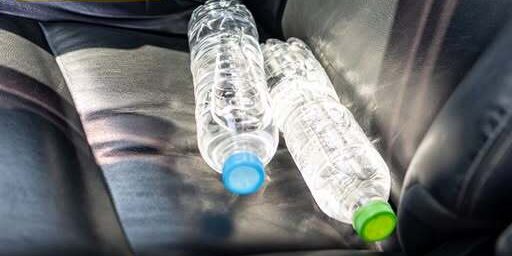
A plastic water bottle is one of the most common things people leave in cars. It is easy to take a drink while driving, set the bottle down, and forget about it until later. During hot weather, however, that forgotten bottle may not be something you want to drink from.
When plastic bottles sit in high heat for hours, chemicals from the plastic can leach into the water. The long-term effects continue to be studied, but the safest choice is to avoid drinking water that has been left in a hot car for an extended period.
Even if the bottle looks normal, heat exposure can change the quality of the water. The taste may become unpleasant, and the bottle itself may soften or change shape depending on the temperature.
Many people keep extra bottles in their cars for emergencies or convenience. During summer, it is better to rotate them often, keep them out of direct sunlight, or bring them inside instead of letting them sit for hours in a hot vehicle.
Medications Can Lose Effectiveness
Medication is another item that should not be stored in a car during hot weather. Many people keep medicine in their vehicle so it is available when needed, but heat and temperature changes can reduce the effectiveness of certain products.
This can become a serious issue because medication needs to work reliably. If heat weakens it, the person using it may not get the expected benefit at the moment they need it most.
Cars are especially poor storage places because temperatures can rise and fall repeatedly throughout the day. A medication may be exposed to heat while the car is parked, then cooler air while the vehicle is being driven, then heat again when parked later.
That constant temperature change is not ideal for many products. Keeping medication in a stable indoor environment is usually a safer habit than leaving it in the glove compartment, center console, or bag inside the vehicle.
Convenience Can Turn Into a Costly Habit
Leaving items in the car often happens because it feels convenient. After a long day, unloading everything may seem like one more task you do not want to deal with. A few bags or bottles may not feel important enough to bring inside.
But convenience can become a costly habit when heat is involved. A sticky drink explosion, a leaking battery, a damaged medication bottle, or a ruptured spray can may create problems that take time and money to fix.
Some of these issues may only create a mess. Others can become safety concerns. Either way, the risk is usually preventable with a quick check before leaving the car.
During summer, it helps to make a habit of scanning the seats, floor, cup holders, trunk, and storage compartments. Removing heat-sensitive items right away can prevent small mistakes from turning into bigger problems.
A Simple Summer Safety Routine
Hot weather requires a little extra attention from drivers and passengers. Before locking the car, check for aerosol cans, lighters, canned drinks, loose batteries, plastic water bottles, and medications.
These items are easy to overlook because they are part of everyday life. That is exactly why they can be so risky. People do not always think of ordinary products as potential hazards, especially when they are used safely in normal conditions.
A parked car in summer is not a normal storage environment. Heat can change how products behave, how containers hold pressure, and how materials react over time.
Taking a few moments to clear the car can help keep the interior cleaner, safer, and better protected. It can also help drivers avoid unpleasant surprises the next time they open the door.
Keeping Your Car Safe During the Hottest Months
Summer driving often comes with more activity, more errands, and more items being carried from place to place. That makes it easier for things to be forgotten inside the vehicle.
While not every forgotten item will cause damage, certain products should be treated with extra caution. Aerosol cans, disposable lighters, canned beverages, loose batteries, plastic water bottles, and medications are all better kept out of extreme heat.
The safest habit is simple: do not use your car as long-term storage during hot weather. Bring items inside when you get home, remove shopping bags promptly, and avoid leaving heat-sensitive products in the cabin or trunk.
Most people already understand that a parked car can be dangerous for children and pets. The same heat that makes a vehicle unsafe for them can also damage belongings and turn ordinary items into hazards.
A little awareness can go a long way. By knowing what not to leave behind, drivers can reduce risks, avoid messy accidents, and keep their vehicles safer throughout the summer season.