
How to Clean Glasses and Sunglasses Without Damaging the Lenses
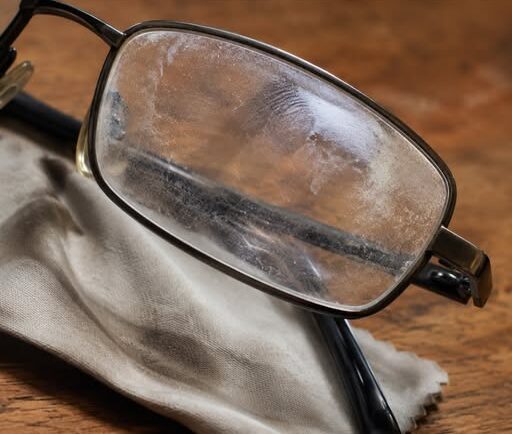
Anyone who wears glasses every day knows how quickly clear lenses can turn cloudy, streaked, and frustrating. A single fingerprint can spread across the glass at the worst possible moment, whether you are driving, reading your phone outside, or trying to finish work at night.
For many people, the first instinct is to wipe the lenses with whatever is nearby. A shirt, sleeve, napkin, paper towel, or tissue may seem harmless in the moment. The problem is that these quick fixes can slowly damage lenses, especially when dust or small particles are already sitting on the surface.
Over time, improper cleaning can create tiny scratches that become more noticeable in sunlight. What begins as a fast way to clear a smudge can eventually affect visibility, distort light, and shorten the life of expensive glasses or sunglasses.
Why Careful Lens Cleaning Matters
Dirty glasses are not only irritating. Oils from skin, fingerprints, dust, makeup, sweat, sunscreen, and everyday debris can quickly reduce how clearly you see. Even when the lenses appear only slightly smudged, that thin layer of grime can scatter light and create glare.
The way glasses are cleaned matters as much as how often they are cleaned. Rubbing dry lenses with rough materials can drag tiny particles across the surface. Those particles may be small, but they can leave fine marks on coatings and lenses.
This is especially important for sunglasses. Many sunglasses have UV protection, polarized coatings, or other delicate finishes that require gentle handling. Once those surfaces are scratched or weakened, the damage is usually permanent.
Household cleaners can also be risky. Products that contain harsh chemicals, ammonia, bleach, or strong cleaning agents are not made for eyewear. They may leave lenses looking clean at first, but they can weaken coatings and damage frames over time.
The Safest Everyday Method: Lukewarm Water and Dish Soap
One of the easiest and safest ways to clean glasses at home is with lukewarm water and a small amount of lotion-free dish soap. This method works well for regular cleaning because it removes oil and debris without requiring harsh products.
The first step is to rinse the glasses under lukewarm water. This helps wash away dust and small particles before wiping begins. That step is important because dry particles can scratch lenses if they are rubbed across the surface.
Hot water should be avoided. Excessive heat can affect some lens coatings and may also cause certain plastic frames to bend or warp. Lukewarm water is enough to loosen dirt without putting the glasses at risk.
After rinsing, place a single drop of lotion-free dish soap on clean fingers. Gently rub both sides of each lens, then clean the frames, hinges, nose pads, and the area where the lenses meet the frame.
These areas collect more oil and grime than many people realize. Nose pads and frame edges often hold sweat, makeup, sunscreen, and dust. Cleaning only the lenses may leave behind residue that quickly spreads back onto the glass.
Once the lenses and frames have been washed, rinse everything thoroughly. Soap left behind can dry into streaks, making the glasses look cloudy even after cleaning. A complete rinse helps prevent that film from forming.
The final step is drying with a clean microfiber cloth made for eyewear. This is where many people accidentally undo the careful work they just completed. Paper towels, tissues, rough towels, and clothing should not be used because they can scratch or leave fibers behind.
Using Lens Spray and a Microfiber Cloth Away From Home
When you are not at home, a lens spray and microfiber cloth can be a practical way to clean glasses safely. This method is useful when fingerprints or light dust appear during the day and there is no easy access to a sink.
Microfiber cloths are designed to trap oils and particles instead of simply dragging them across the lens. That makes them much safer than napkins, sleeves, or other materials that may feel soft but can still be abrasive.
For best results, use a lens-safe cleaner before wiping. Cleaning completely dry lenses can still be risky if dust is present. A small amount of lens spray helps loosen oils and particles so they can be lifted away more gently.
A travel-size spray bottle can be useful in a backpack, purse, desk drawer, or vehicle. Glasses often become dirty at inconvenient times, so having the right cleaning tools nearby can prevent the temptation to use a shirt or napkin.
The microfiber cloth itself should also be cleaned regularly. A cloth that has collected oil, dust, and residue can put grime right back onto the lenses. Washing it with mild soap and allowing it to air dry helps keep it effective.
Keeping more than one microfiber cloth can also help. One can stay at home, while another can be kept in a case or bag. The cleaner the cloth, the better it will perform when lenses need a quick refresh.
A Gentle Homemade Glasses Cleaner
Commercial lens cleaners are convenient, but a simple homemade cleaner can also work when prepared carefully. The key is to keep the mixture gentle and avoid ingredients that may harm coated lenses.
One basic option is distilled water mixed with a small amount of rubbing alcohol and one drop of dish soap in a miniature spray bottle. This type of mixture can be inexpensive and easy to carry while traveling.
However, rubbing alcohol should not be overused. Too much alcohol may damage certain lens coatings over time, especially if used frequently or in a strong concentration. A light, gentle formula is safer than an aggressive cleaner.
Vinegar and other harsh household cleansers should be avoided. Even when they are recommended for general cleaning, they are not always appropriate for coated lenses. Glasses and sunglasses need a softer approach than windows, counters, or mirrors.
When using any spray, apply only enough to dampen the lens surface. After spraying, wipe gently with a clean microfiber cloth. Heavy pressure is not necessary and may increase the risk of rubbing particles into the lens.
How to Clean Outdoor Sunglasses Safely
Sunglasses used outdoors require extra care because they are often exposed to sand, dust, sunscreen, and grit. Beach trips, hiking, driving with open windows, and outdoor sports can leave tiny particles on the lenses.
The most important rule is simple: never wipe sand or dust directly off the lens. Even a soft towel can become damaging if it contains grains of sand. Rubbing those particles across sunglasses can cause immediate scratches.
Before wiping outdoor sunglasses, rinse them first. If you are away from home, bottled water can be used to remove loose sand or dust. The goal is to wash away gritty particles before anything touches the lens surface.
After rinsing, dry the sunglasses gently with a clean microfiber cloth. Avoid vigorous rubbing. A light, careful motion is usually enough, especially when the lenses have already been rinsed.
Storage is also part of keeping sunglasses clean and scratch-free. A hard case protects lenses from keys, coins, bags, car consoles, and other surfaces that can rub against them. Tossing sunglasses loosely into a bag can undo even the best cleaning habits.
Do Not Forget the Frames and Nose Pads
Lenses get most of the attention, but frames also need regular cleaning. Frames collect sweat, oils, sunscreen, makeup, and dust throughout the day. That buildup can make glasses feel uncomfortable and can transfer residue back onto clean lenses.
Nose pads are especially prone to buildup because they sit directly against the skin. Hinges and small gaps near the frame can also trap grime. These areas may not look dirty at first glance, but they often hold more residue than the lens surface.
A soft-bristled toothbrush or cotton swab can help clean small spaces around the nose pads, hinges, and frame edges. The cleaning should be gentle, especially around delicate parts. The goal is to remove buildup without bending or loosening anything.
Deep cleaning frames about once a week can make glasses feel fresher and more comfortable. It can also help prevent unpleasant odors and reduce the amount of oil that spreads back onto the lenses.
Items You Should Never Use on Glasses
Several common cleaning habits can permanently damage glasses. Paper towels should not be used because they can be rough on delicate lens coatings. Even if they feel soft to the hand, they are not designed for eyewear.
Shirts, sleeves, and other clothing should also be avoided. Fabric can hold dust and grit, especially after being worn throughout the day. Wiping lenses with clothing may seem convenient, but it can leave tiny scratches behind.
Window cleaner, bleach, and ammonia-based products are not safe choices for glasses. These cleaners may be too harsh for coatings and frames. Glasses need mild cleaning solutions, not strong household chemicals.
Rough sponges should never be used on lenses. They can scratch surfaces quickly and may also damage frame finishes. Hot water should also be avoided because it may weaken coatings or affect plastic frames.
The safest approach is to use lukewarm water, mild soap, lens-safe spray, and clean microfiber cloths. These simple tools are enough for most everyday cleaning needs.
Small Habits That Help Glasses Last Longer
Good lens care does not require complicated products or expensive tools. The most important habits are simple: rinse before wiping, use gentle soap or lens spray, clean with microfiber, and avoid rough materials.
Cleaning glasses at night can also help. Removing oils and residue before they sit on the lenses for hours makes the next day easier. Clean lenses are less likely to develop stubborn smudges that require repeated wiping.
Keeping glasses in a case when they are not being worn is another easy way to prevent scratches. Lenses can be damaged quickly when glasses are placed face down on a table or thrown into a bag without protection.
Microfiber cloths should be treated like part of the cleaning routine, not just an accessory. A dirty cloth can spread oil and debris, while a clean one can restore clarity in seconds.
Properly cleaned lenses can make everyday life feel noticeably easier. Clear glasses reduce glare, improve comfort, and make reading, driving, working, and spending time outdoors less frustrating.
Once the right cleaning routine becomes a habit, constant smudges and blurry patches become much easier to manage. A few careful steps can protect lenses, preserve coatings, and keep glasses and sunglasses looking better for years.