
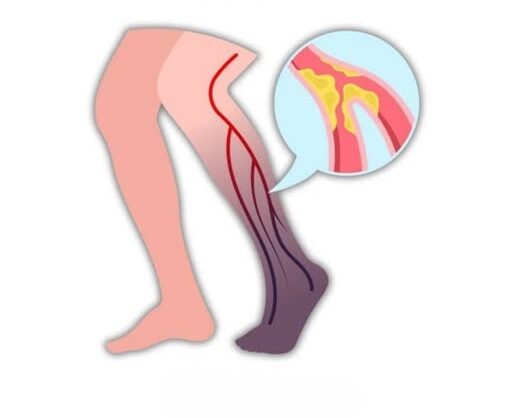
Early Signs That May Point to Circulation Concerns
Understanding Subtle Changes in the Body
Changes in the body are not always dramatic or easy to recognize. Some warning signs may appear mild at first, while others may come and go without causing immediate concern.
One important area of awareness is healthy circulation. Good circulation supports the body’s overall function, and paying attention to unusual physical changes can help people respond sooner when something does not feel right.
Not every symptom means there is a serious problem. However, when several signs appear together or continue over time, it can be helpful to take them seriously and seek proper medical evaluation.
Increased Heart Rate
An increased heart rate can be one sign that the body is experiencing stress or discomfort. This may feel like the heart is beating faster than usual without a clear or obvious reason.
For some people, a faster heartbeat may happen briefly and then settle. For others, it may appear alongside other symptoms, making it more noticeable and more concerning.
A rapid heartbeat on its own does not always explain what is happening in the body. The context matters, especially when it appears together with dizziness, fatigue, fever, discomfort, or other unusual changes.
Awareness is important because a change in heart rate can be easy to dismiss. Many people may assume it is connected to stress, lack of sleep, or a busy day, but repeated episodes deserve attention.
When a faster heartbeat happens without a clear reason, it may be useful to observe whether it occurs at rest, during movement, or alongside other symptoms. This kind of awareness can support better communication with a healthcare professional.
Feeling Unusually Tired
Persistent fatigue is another symptom that may be linked with circulation concerns. This type of tiredness is different from ordinary tiredness after a long day or poor sleep.
Feeling unusually tired may include low energy levels even after rest. A person may sleep, slow down, or take time to recover, yet still feel drained.
Fatigue can affect daily routines in quiet ways. Tasks that normally feel simple may begin to feel heavier, and energy may run out more quickly than expected.
This symptom can be easy to overlook because tiredness is common. Many people continue with their normal responsibilities while assuming their body will eventually recover on its own.
When fatigue continues despite rest, it becomes more important to notice the pattern. Persistent low energy, especially when it appears with other symptoms, may be a signal that the body needs attention.
Mild Fever or General Discomfort
A mild fever or a general feeling of discomfort may also appear in some cases. This may involve a slight increase in body temperature or a vague sense that something feels wrong.
Discomfort does not always have a clear location. It may not feel severe, but it can still be noticeable enough to interrupt normal comfort and routine.
A slight fever can sometimes seem minor. However, when it appears together with fatigue, dizziness, or a faster heartbeat, it may become part of a larger pattern.
General discomfort is often difficult to describe. A person may simply feel off, unsettled, weak, or not like themselves.
Because these signs can be mild, they may not immediately lead someone to seek help. Still, paying attention to repeated or combined symptoms can support timely action.
Dizziness or Lightheadedness
Dizziness or lightheadedness may also be a sign to watch for. This can include occasional dizziness or a feeling of being unsteady.
Some people may feel as if they need to sit down, hold onto something, or pause before continuing with an activity. Others may only notice brief moments of imbalance.
Feeling lightheaded can be unsettling because it affects confidence in movement. Even if it passes quickly, it may create concern when it happens more than once.
Dizziness can also become more important when it appears with other signs. A person who feels tired, uncomfortable, feverish, and lightheaded may be experiencing a combination of symptoms that should not be ignored.
Occasional dizziness may seem small in the moment, but repeated episodes can interfere with daily life. Tracking when it happens and how it feels can help provide a clearer picture during medical evaluation.
When There Are No Obvious Symptoms
In some cases, there may be minimal or no clear signs. This can make awareness more difficult because the body may not give strong warning signals.
The absence of obvious symptoms does not always mean a person should ignore their health. Regular health checks can be helpful, especially when someone wants to stay aware of risk factors and overall wellness.
Some people may feel mostly normal while only noticing small changes. Others may not recognize symptoms until they become more noticeable.
This is why a balanced approach matters. Health awareness is not about fear, but about paying attention to the body and responding when changes appear.
Regular checks can provide reassurance and help identify concerns that may not be obvious during daily life. They can also support earlier conversations with a healthcare professional when needed.
Simple Ways to Support Healthy Circulation
Supporting healthy circulation can be part of a broader effort to reduce risk factors. Simple daily habits may help the body function better and encourage overall wellness.
Staying physically active is one important step. Movement helps prevent long periods of inactivity and can support circulation throughout the day.
Avoiding sitting for long periods is also helpful. When people remain seated for too long, the body may not get enough regular movement.
Small changes in routine can make activity easier to maintain. Standing up, walking briefly, or adding more movement into the day can support a more active lifestyle.
Staying hydrated is another simple way to support health. Drinking enough fluids helps the body maintain normal function and can be part of a healthy routine.
A balanced diet also plays a role. Eating in a balanced way supports the body’s general needs and can be part of maintaining better circulation habits.
These steps are not complicated, but consistency matters. Physical activity, hydration, balanced meals, and avoiding long periods of sitting can all contribute to a healthier daily pattern.
Why Awareness Matters
Awareness of early signs can support timely action and better health outcomes. Recognizing symptoms early may help a person decide when to slow down, pay closer attention, or seek medical advice.
Increased heart rate, unusual fatigue, mild fever, discomfort, dizziness, and lightheadedness can each appear in different ways. Some may be brief, while others may continue or return over time.
The most important concern is often the combination of symptoms. If multiple signs appear together, it is important to consult a healthcare professional for proper evaluation.
This does not mean every symptom points to a serious condition. It means the body’s signals should be respected, especially when they are unusual, persistent, or appear together.
A balanced perspective helps avoid unnecessary fear while still encouraging responsible action. Paying attention to the body can be a practical part of protecting long-term health.
A Balanced Perspective on Health
Health awareness works best when it is calm, steady, and realistic. Some symptoms may be mild, but even mild symptoms can provide useful information when they are viewed as part of a broader pattern.
A faster heartbeat without a clear reason, ongoing tiredness despite rest, slight fever, discomfort, dizziness, or feeling unsteady should not be dismissed when they occur together. These signs may be worth discussing with a healthcare professional.
At the same time, people should avoid jumping to conclusions. Proper evaluation is important because symptoms can have different causes and may require professional judgment.
Maintaining healthy circulation is supported by simple everyday choices. Staying active, avoiding long periods of sitting, drinking enough fluids, and keeping a balanced diet can all help reduce risk factors.
Regular health checks can also be helpful, particularly because some cases may show minimal or no obvious symptoms. These checks can offer guidance before problems become more noticeable.
The key message is simple: listen to the body, notice unusual changes, and seek proper evaluation when symptoms appear together. Awareness, healthy habits, and timely action can all support better outcomes.