
Why Old Film Canisters Still Carry the Weight of Memory
A Small Object That Refuses to Disappear
They were made for a different time, a slower time, and a world that handled photographs with patience.
Long after rolls of camera film disappeared from everyday life, the small plastic canisters that once protected them have remained in homes, drawers, boxes, closets, and basements.
They are easy to overlook, yet strangely difficult to throw away.
For many people, these little containers are no longer connected only to photography. They have become quiet reminders of family trips, summer holidays, birthdays, school events, old friendships, and moments that once had to be captured carefully because every picture mattered.
A single canister can feel ordinary from the outside. It may be scuffed, dusty, or faded from age. But for anyone who remembers using film cameras, it can open a door to an entire part of life that now feels distant.
When Photos Had to Be Protected
Before digital cameras and smartphones made photography instant, film canisters had one clear purpose. They protected delicate rolls of film from light, dust, and damage.
Inside those rolls were not just images, but possibilities.
No one knew right away whether the pictures had turned out. A family vacation, a birthday party, a pet curled on the sofa, or a first school dance might all be hidden inside a small roll of film, waiting to be developed.
That waiting was part of the experience.
People took photos carefully because every roll had a limit. Each frame had value. A wasted shot meant one less chance to preserve something important.
The canister was part of that ritual. It rattled inside camera bags, rested in glove compartments, traveled in purses, and waited on kitchen counters until someone remembered to take the film to be developed.
Even after the film was removed, the empty container often stayed behind.
The Magic of Waiting
Today, photographs appear instantly. A person can take ten pictures in a few seconds, delete the ones they dislike, and save the rest without touching paper, plastic, or film.
That convenience has changed the way people relate to images.
In the era of film, the moment did not end when the camera clicked. The moment continued through the waiting, the drop-off, the envelope from the photo lab, and the first look at the finished prints.
There was suspense in not knowing.
Sometimes a photo came back blurry. Sometimes someone blinked. Sometimes the best image was not the one anyone expected.
That uncertainty made the result feel personal. Each developed photo carried the feeling of being recovered from time, not simply stored.
Film canisters belonged to that world. They were not decorative or valuable in the usual sense, but they were part of the process that turned passing moments into physical memories.
More Than Plastic
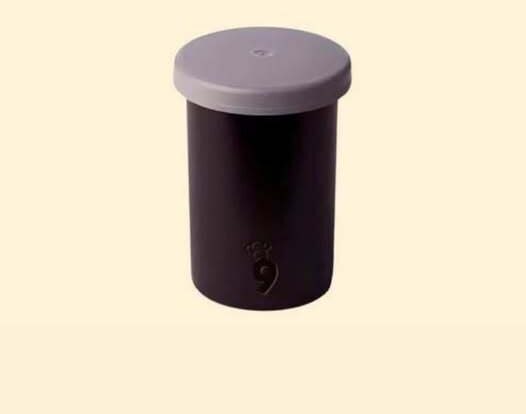
At first glance, an old film canister is only a small plastic tube with a cap.
It does not look important. It does not announce its history. It may even appear useless in a modern home filled with digital devices and cloud storage.
Yet these canisters have survived because they are practical, familiar, and emotionally charged in ways that are hard to explain.
Many people reused them after the film was gone. They became containers for screws, coins, buttons, pins, beads, seeds, matches, or tiny keepsakes.
Some ended up in garages. Others found a second life in craft boxes, sewing kits, tool drawers, or gardening shelves.
In that way, they continued doing what they were designed to do. They protected small things that someone did not want to lose.
That simple usefulness helped them remain in homes long after the technology they served had faded from daily life.
The Objects We Keep Without Knowing Why
Many households have at least one object that survives every cleaning effort.
It may not be valuable. It may not be beautiful. It may not even have a clear purpose anymore.
Still, it remains.
Old film canisters often fall into that category. They are too small to demand attention, but too connected to memory to discard easily.
Someone may open a drawer looking for a battery or paperclip and suddenly find one tucked in the back corner. In that moment, the object becomes more than clutter.
It becomes a reminder of a camera once carried on family trips, a parent asking everyone to stand still, a child waiting impatiently for prints, or a stack of photo envelopes kept in a closet.
The canister itself may be empty, but the memory around it is not.
A Link to Childhood and Family Life
For people who grew up with film cameras, these canisters can bring back very specific memories.
They may recall vacations where only a few pictures were taken because film had to last. They may remember parents warning children not to open the camera and ruin the roll.
They may remember the sound of the film advancing, the flash charging, or the quiet excitement of holding fresh prints for the first time.
Some memories are tied to faces that are no longer present. Others belong to homes that have changed, pets that are gone, or childhood places that exist now only in photographs.
The canister becomes a small anchor to those memories.
It is not the photograph itself, but it belonged to the world that made those photographs possible.
The Feeling of Holding the Past
Physical objects often carry memory differently than digital files.
A photo saved on a phone can be meaningful, but it does not have the same texture as something handled, stored, misplaced, found, and kept over many years.
Film canisters have weight, shape, and smell. Their caps twist or pop open. Their plastic can feel smooth, worn, or slightly dusty.
Those small sensory details matter.
They can bring back a room, a season, a person, or a feeling faster than a perfect digital image.
The faint smell of old plastic and dust may seem insignificant, but memory often lives in small details. A simple object can carry emotional force because it was present during a meaningful part of life.
Why They Feel Defiant Now
In a fast digital world, old film canisters feel almost rebellious.
They come from a time when people waited, wondered, and accepted imperfection. They remind people that not every memory was instantly visible, edited, filtered, or shared.
They also remind people that photographs were once limited.
That limitation gave each image a different kind of value. People did not take hundreds of photos of the same moment. They chose, hoped, and waited.
The canister represents that slower relationship with memory.
It belongs to a time when images were not endless and when the act of saving a moment required trust.
From Camera Bags to Junk Drawers
The journey of a film canister often did not end when the film was developed.
After the roll was removed, the container stayed useful. Its size made it perfect for tiny household items that were easy to lose.
A canister could hold spare change for a parking meter, seeds for next season, buttons from an old shirt, screws from a repair project, or small objects that had no better place to go.
That second life gave the canister a new identity.
It was no longer only about photography. It became part of daily organization, quiet storage, and household improvisation.
This may be one reason so many still exist. They were too handy to throw away, even after their original purpose disappeared.
An Empty Container That Still Feels Full
Sometimes an old film canister contains nothing at all.
It may be completely empty, with no film, no coins, no seeds, and no buttons inside.
Still, it can feel strangely full.
That is because the object does not only hold what was placed inside it. It holds association, memory, and a reminder of a different version of life.
It can bring back the days when families waited for printed photos, when albums were filled by hand, and when pictures were passed around instead of swiped through.
It can also remind people of their younger selves.
The person who once used that canister may have been a child, a teenager, a young parent, a traveler, a student, or someone standing at the beginning of a life chapter that has long since passed.
The Quiet Power of Ordinary Things
Not every meaningful object looks important.
Some of the most powerful reminders are simple, cheap, and easily forgotten until they are found again.
Old film canisters belong to that group. Their emotional value does not come from rarity or beauty. It comes from their connection to everyday life.
They were there for birthdays, vacations, holidays, school plays, pets, friendships, family gatherings, and small moments no one knew would matter later.
They were carried, opened, closed, reused, and saved.
Over time, that ordinary presence became part of their meaning.
A Reminder of a Slower Self
The world has changed dramatically since film canisters were common.
Photography is now instant, portable, and nearly unlimited. People can capture, store, and share moments faster than ever before.
Yet speed does not always make memory feel deeper.
Old film canisters remind people of a time when remembering took longer. They point back to a version of life shaped by patience, surprise, and physical keepsakes.
They suggest that the past was not necessarily better, but it was different.
It moved at another pace. It asked people to wait. It left behind objects that now feel almost mysterious because they belonged to habits that have nearly disappeared.
Why They Are Hard to Throw Away
Throwing away an old film canister can feel simple in theory.
It is small. It may be empty. It may no longer serve its original purpose.
But for many people, discarding it feels like letting go of more than plastic.
It can feel like throwing away a piece of a family routine, a childhood memory, or a reminder of how photographs once entered people’s lives.
That is why these canisters often survive moves, cleanouts, and years of being ignored.
They remain because they carry a quiet emotional charge. They are humble, but they are not meaningless.
What They Really Hold
In the end, old film canisters are not just containers for film.
They are containers for memory, habit, and the emotional texture of another era.
They remind people of camera bags, photo envelopes, family albums, and the thrill of seeing developed pictures for the first time.
They also remind people that memories once had a physical path. A moment became a photo only after time, care, and waiting.
That is why these small plastic objects continue to matter.
Even when they are empty, they can hold proof that a slower version of life once existed. They hold the feeling of waiting, the value of a single picture, and the quiet truth that ordinary objects can preserve extraordinary pieces of who we were.