
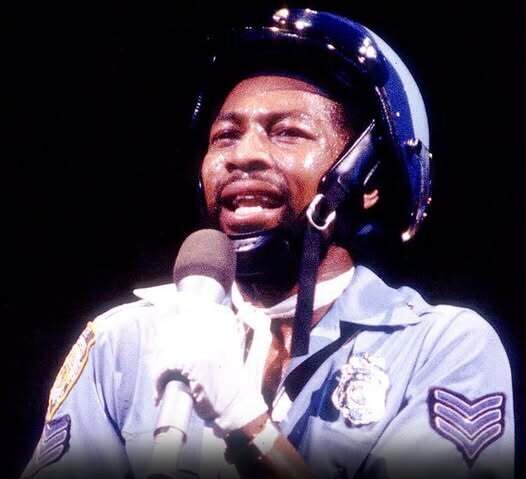
Victor Willis, Voice of “Y.M.C.A.,” Remembered After Sudden Death Before 75th Birthday
A Sudden Loss for Fans Around the World
Victor Willis, the powerful voice behind some of disco’s most recognizable songs, has died following a sudden and aggressive illness.
His death came just one day before his 75th birthday, adding a painful note to the passing of a performer whose music was built around energy, celebration, and togetherness.
For many fans, the news arrived before they even knew he had been ill. One moment, Willis remained the unforgettable frontman associated with “Y.M.C.A.,” and the next, the voice that helped define an era had gone silent.
His wife asked for privacy as those closest to him began to grieve. His bandmates were left devastated by the loss of a man whose presence had been central to the identity of Village People for decades.
The Voice Behind an Era
Willis became known worldwide as the lead voice of Village People, the disco group whose songs moved from dance floors into popular culture and stayed there for generations.
As the group’s uniformed cop or naval officer, he became one of the most familiar faces of the disco boom. His stage image was bold, theatrical, and instantly recognizable, but it was his voice that gave the songs their lasting force.
“Y.M.C.A.,” “Macho Man,” and “In the Navy” became more than hit records. They became public anthems, songs played at parties, stadiums, celebrations, weddings, and community gatherings long after their original release.
Their appeal crossed age groups and borders. Even people who did not follow disco closely knew the choruses, the rhythm, and the larger-than-life feeling that Willis helped bring to each performance.
From Dallas Beginnings to Broadway Ambition
Before he became a disco icon, Willis had a path shaped by performance, discipline, and ambition.
His journey began with Broadway beginnings in Dallas, long before the global fame that would later follow him. Those early artistic roots helped shape the confidence and command he carried onto the stage.
Willis did not simply stand in front of a band and sing. He performed with the presence of someone who understood character, movement, and timing.
That theatrical foundation became important once Village People rose to fame. The group’s identity depended on more than music alone; it required a visual world, strong personas, and performers able to make each role feel alive.
Willis fit that world naturally. Whether dressed as a police officer or naval figure, he gave the group a center of gravity that helped transform its concept into a lasting pop phenomenon.
The Rise of Village People
Village People arrived during a period when disco was changing nightlife, radio, and mainstream entertainment.
The group’s songs were upbeat, direct, and memorable. They were built around simple hooks, strong vocals, and an atmosphere that invited listeners to participate rather than simply observe.
Willis stood at the heart of that sound. His voice carried authority without losing warmth, giving songs like “Y.M.C.A.” the feeling of a public celebration.
The group’s image also helped separate it from other acts of the era. Village People became known for costumes, characters, and a playful sense of spectacle that made performances feel larger than life.
Behind the bright lights, however, Willis was more than a performer inside a costume. He was one of the creative figures whose work helped shape the songs that became central to the band’s legacy.
Songs That Outlived the Disco Era
Many artists are remembered for a moment. Willis became part of songs that continued living far beyond the moment that created them.
“Y.M.C.A.” became one of the rare pop songs that could instantly bring crowds together. Its rhythm, chant-like chorus, and physical movements turned it into a shared experience.
“Macho Man” captured another side of the group’s bold personality, while “In the Navy” added to the catalog of tracks that made Village People one of disco’s most recognizable names.
These songs outlasted changing music trends. As disco’s commercial peak faded, the music of Village People remained visible in public life.
That endurance speaks to Willis’s place in music history. His performances helped create records that were not confined to one decade, one scene, or one generation.
A Complicated Life Behind the Celebration
Although his public image was tied to joy and spectacle, Willis’s life and career were not simple.
He walked away from Village People in 1980, leaving behind the group at a time when its image and music had already become widely known.
That departure marked a major turning point in his relationship with the band and with the songs he had helped bring to life.
In later years, Willis became involved in a long fight for rights connected to the music he helped create. That battle reflected a deeper issue faced by many performers and songwriters whose work becomes famous while control over that work remains complicated.
For Willis, the fight was not only about business. It was also about recognition, authorship, and the lasting value of songs that had become part of public memory.
Return to the Spotlight
Decades after leaving the group, Willis returned to the Village People spotlight.
His return carried symbolic weight because he was not simply revisiting old songs. He was stepping back into a role that many fans still associated directly with him.
For audiences, seeing Willis perform again connected the past with the present. The songs that had once dominated disco floors now belonged to a wider cultural history, and Willis remained one of their most important living links.
His later performances showed how strongly those songs continued to resonate. Even after decades, crowds still responded to the familiar openings, the choruses, and the energy he helped create.
That return also reinforced his place as more than a nostalgic figure. Willis remained an active presence in the continuing story of Village People.
A Political Moment in 2025
One of the most discussed later moments in Willis’s public life came in 2025, when he performed “Y.M.C.A.” at Donald Trump’s pre-inauguration rally.
The appearance drew attention because the song had become widely recognized across many social and political settings.
For Willis, the performance added another chapter to the complex public life of a song that had traveled far beyond its original release.
“Y.M.C.A.” had already been used in countless settings by that point. Its place in public culture made any high-profile performance a subject of conversation.
The 2025 appearance showed how deeply the music of Village People remained embedded in American public life, even decades after the disco era that first produced it.
Bandmates and Family in Mourning
Willis’s death left those closest to him in grief.
His bandmates were shattered by the loss, mourning not only a colleague but a defining figure in the identity of Village People.
His wife’s request for privacy reflected the deeply personal nature of the moment. Behind the public tributes and global reaction was a family facing the immediate pain of losing someone loved.
Fans responded in the way many people respond when a musician who shaped their memories dies. They returned to the songs.
Around the world, people played the music louder, shared memories, and remembered where they were when they first heard that unmistakable voice.
A Legacy Built on Joy
The sadness surrounding Willis’s death is sharpened by the kind of music he leaves behind.
His songs were not built around sorrow. They were built around movement, release, humor, confidence, and shared celebration.
That contrast made the timing of his passing especially cruel. He died just before a milestone birthday, after a career tied so strongly to the sound of people gathering together.
Still, the music he helped create ensures that his voice will not disappear from public life.
Every time “Y.M.C.A.” plays at a celebration, every time a crowd sings along, and every time a new generation discovers Village People, Willis’s presence remains part of the moment.
Remembering Victor Willis
Victor Willis will be remembered as a singer, performer, and creative force whose work helped define one of pop music’s most colorful eras.
He brought theatricality to disco without losing musical strength. He helped turn character-based performance into something that reached millions of listeners.
His career included fame, departure, legal battles, return, and renewed public attention. Through all of it, his voice remained tied to songs that became larger than the group itself.
For fans, his death marks the loss of a familiar sound that seemed almost permanent.
For music history, his legacy is secure in the anthems that continue to fill rooms with energy.
Victor Willis may be gone, but the songs he helped make famous will continue to echo wherever people gather, dance, sing, and remember the voice that made celebration feel timeless.