
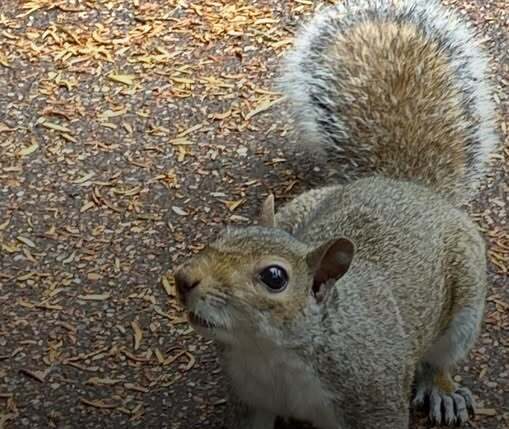
16 Scents That Can Help Keep Squirrels and Chipmunks Away From Your Garden
A peaceful garden can quickly begin to feel like a daily struggle when squirrels and chipmunks decide to treat it like their personal feeding ground.
These small animals may look harmless, and many people even find them charming from a distance. But once they begin digging through flower beds, stealing seeds, disturbing bulbs, chewing young plants, and raiding vegetables, their presence can become frustrating very quickly.
The good news is that keeping them away does not always have to involve harsh methods. One of the most effective ways to make a yard less appealing to squirrels and chipmunks is by using scent.
Why Smell Matters So Much
Squirrels and chipmunks rely heavily on their sense of smell as they move through outdoor spaces. Their noses help them locate food, identify possible threats, and decide whether an area feels safe enough to explore.
That powerful sense of smell can also work against them. Strong odors can confuse them, irritate them, or make a garden feel risky and unfamiliar.
Instead of thinking of scent as a single solution, it works best as a signal. When the smell around a garden changes in a way that feels unpleasant or dangerous to these animals, they may be less likely to return.
Some scents overwhelm their senses. Others suggest predators or danger. Several are common household items, while others come from garden products already used by many homeowners.
Peppermint Creates a Strong Barrier
Peppermint is one of the most commonly used scents for discouraging squirrels and chipmunks. Its sharp menthol smell is powerful, fresh, and easy for people to recognize.
For small animals with sensitive noses, that same clean scent can feel far more intense. The strong menthol note may make a garden bed, porch, planter, or entry point less inviting.
Peppermint is often used around areas where animals dig, hide, or search for food. Its strength makes it useful as part of a larger scent-based approach, especially when refreshed regularly.
Garlic Sends a Sharp Warning
Garlic has a strong smell that can linger in soil, around plants, and near garden borders. To humans, it may simply smell pungent. To squirrels and chipmunks, it can be a clear reason to stay away.
The sharp odor can interrupt the natural smells they use to find seeds, roots, and other food sources. When garlic is present, an area may no longer smell like an easy place to forage.
Because garlic is so recognizable and intense, it is often grouped with other strong kitchen-based scents for extra effect.
Vinegar Makes the Area Smell Unpleasant
Vinegar is another everyday scent that can discourage unwanted digging and nibbling. Its sour, acidic smell is difficult to ignore.
Squirrels and chipmunks may avoid spaces where vinegar has made the ground, fence line, or garden edge smell strange and uncomfortable.
Like many scent-based methods, vinegar does not last forever outdoors. Rain, watering, wind, and time can reduce its strength, so it works best when refreshed as needed.
Onions Add Another Harsh Kitchen Scent
Onions carry a strong odor that can be unpleasant to many animals. Their smell can make a garden feel less like a feeding area and more like a space worth avoiding.
For chipmunks and squirrels, onion scent may interfere with the natural cues they follow while searching for food. It adds another layer of confusion to the garden environment.
When used with other strong smells, onions can contribute to a more complete scent barrier around vulnerable areas.
Coffee Grounds Can Make Soil Less Attractive
Coffee grounds are often used in gardens, and their bitter smell can also help discourage squirrels and chipmunks. The scent is strong enough to change the way soil and garden beds smell.
Because these animals investigate with their noses, the bitter edge of coffee grounds can make a familiar digging spot seem less appealing.
Coffee grounds are not a permanent shield, but they can be part of a repeated scent routine around plants that are often disturbed.
Cayenne Pepper Irritates Sensitive Noses
Cayenne pepper is one of the stronger scent-based deterrents because it does more than simply smell intense. Its spicy quality can irritate delicate mucous membranes.
Squirrels and chipmunks have sensitive noses, and spicy materials can make an area uncomfortable for them to investigate. When they encounter that kind of irritation, they may be less likely to return to the same place.
This does not need to harm wildlife when used responsibly. The goal is to make the area unpleasant enough that animals choose another route or feeding spot.
White Pepper Works in a Similar Way
White pepper can also help make garden spaces less comfortable for squirrels and chipmunks. Like cayenne, it has a spicy quality that can bother sensitive noses.
Its scent may not seem as dramatic to humans, but small animals can detect it in ways that matter to their movement and behavior.
Using white pepper as part of a layered approach can make garden beds smell confusing, sharp, and unwelcoming.
Citrus Peels Overwhelm Their Senses
Citrus peels bring a strong, bright smell into the garden. Orange, lemon, and similar citrus scents contain powerful natural oils that many animals dislike.
For squirrels and chipmunks, citrus can feel overwhelming. The scent may interfere with their ability to read the area clearly and may make them avoid treated spaces.
Citrus peels are especially useful because they are simple household leftovers. Their scent fades with time, but fresh peels can help renew the effect.
Eucalyptus Oil Adds a Strong Essential Oil Scent
Eucalyptus has a bold, penetrating smell that can be too intense for small garden visitors. Its essential oil scent can make an area feel unnatural and uncomfortable.
Because squirrels and chipmunks depend on familiar outdoor smells, eucalyptus may disrupt the normal scent map they use to move around.
Used carefully, it can add another strong layer to the scent mix around planters, beds, and other areas that need protection.
Clove Oil Has a Powerful, Spicy Odor
Clove oil has a deep, spicy scent that stands out strongly in outdoor spaces. For people, it may smell warm or sharp. For squirrels and chipmunks, it can be overpowering.
The intensity of clove oil can make a garden area feel unsafe or unpleasant. It changes the scent profile of a space in a way that these animals may not want to investigate.
Like other essential oil scents, it works best when used as one part of a broader strategy rather than as a one-time fix.
Predator Urine Triggers Fear
Some scents do not simply smell bad to squirrels and chipmunks. They suggest danger.
Predator urine can create the impression that a hunting animal is nearby. For small prey animals, that message can be powerful.
When squirrels or chipmunks detect this kind of scent, they may decide that the garden is not worth the risk. Instead of seeing it as a food source, they may read it as unsafe territory.
Blood Meal Can Signal Danger
Blood meal is another strong garden scent that can make squirrels and chipmunks uneasy. Its smell may suggest the presence of danger or death in the area.
That kind of signal can trigger caution in animals that are constantly watching and smelling for threats.
In a garden, blood meal can serve two purposes. It may already be used around plants, and its strong odor can also help discourage small animals from digging or feeding nearby.
Ammonia Creates an Unwelcoming Smell
Ammonia has a harsh odor that can make outdoor spaces feel uncomfortable and unsafe for squirrels and chipmunks.
Its sharp smell can resemble warning signals that animals may associate with danger. Even when they do not identify it exactly, the intensity alone can push them away.
Because ammonia is strong, it should be handled carefully. As a scent, its purpose is to make specific areas unattractive without turning the whole yard into an unpleasant space for people.
Castor-Oil-Based Mixes Can Discourage Activity
Castor-oil-based mixtures are often used as outdoor deterrents because their smell and texture can make soil and garden areas less appealing to animals.
For squirrels and chipmunks, these mixes may create an environment that feels wrong for digging or searching for food.
They can be especially useful when paired with other scents, since a combination of unfamiliar smells can make a garden much harder for animals to read comfortably.
Irish Spring Soap Creates a Strong Human-Made Odor
Irish Spring soap is another scent often used by gardeners trying to protect plants. Its strong fragrance can make beds, borders, and containers smell artificial and unfamiliar.
Squirrels and chipmunks may avoid areas that smell too strongly of human-made products. The scent does not match what they expect in a safe feeding zone.
Soap scents can fade outdoors, especially after rain. Keeping the smell present is important if it is being used as part of a garden defense plan.
Mothballs Smell Foreign and Unsafe
Mothballs have a very strong odor that can make outdoor spaces feel foreign to small animals. Their scent is not subtle, and that is part of why it may discourage squirrels and chipmunks.
When an area smells strange and chemical-like, animals may choose not to spend time there. The goal is to make the garden feel less familiar and less comfortable.
As with all strong human-made scents, care matters. The focus should remain on discouraging activity while keeping the garden safe and manageable.
Layering Scents Works Better Than One Smell Alone
No single scent should be expected to solve the problem forever. Squirrels and chipmunks are persistent, curious, and quick to adapt when they discover that an area still contains food.
That is why layering scents can be more effective. A garden that smells like peppermint, garlic, citrus, pepper, and possible danger is more confusing than a garden with only one odor in one corner.
The purpose is not to attack the animals. It is to make the garden less rewarding and less comfortable so they move on without being harmed.
Rain and Time Reduce the Effect
Scent-based deterrents need maintenance. Rain can wash smells away, watering can weaken them, and outdoor air naturally reduces their strength over time.
Even the strongest scent will fade if it is not refreshed. A garden that smelled unpleasant to squirrels last week may smell normal again after several days of weather and watering.
For this reason, scent barriers work best when treated as an ongoing routine rather than a one-time action.
A Humane Way to Protect Plants
Using scent allows gardeners to protect their plants while avoiding traps, injury, or direct conflict with wildlife. Squirrels and chipmunks are not being punished; they are simply being encouraged to look elsewhere.
This approach can be especially useful for people who want to defend vegetables, bulbs, flowers, containers, and newly planted beds without making the yard dangerous.
The garden becomes less like an open buffet and more like a confusing, uncomfortable maze. That change alone can be enough to reduce repeated visits.
Turning the Garden Back Into Your Space
When squirrels and chipmunks take over, it can feel as though every fresh planting is at risk. Seeds disappear, soil gets disturbed, and young plants can be damaged before they have a chance to grow.
Scents such as peppermint, garlic, vinegar, onions, coffee grounds, cayenne, white pepper, citrus, eucalyptus, clove oil, predator urine, blood meal, ammonia, castor-oil-based mixes, Irish Spring soap, and mothballs all work by changing the message your yard sends.
Instead of smelling like food, shelter, and safety, the garden begins to smell sharp, unfamiliar, uncomfortable, or dangerous.
Used together and refreshed regularly, these everyday scents can help shift the balance. Your plants get a better chance to thrive, the wildlife remains unharmed, and your garden can finally feel like yours again.