
Why Every Driver Should Know How to Escape a Car When the Electronics Fail
A modern car can feel safer than ever, with airbags, sensors, warning systems, and crash ratings designed to protect the people inside. Yet one overlooked danger can appear after a crash, a power failure, or an electrical problem: the doors may not open the way a driver expects.
In many newer vehicles, the familiar door handle has been replaced or supported by electronic latches, buttons, and powered systems. These features may look sleek and convenient during normal driving, but they can create confusion in an emergency if the vehicle loses power.
The danger is not only the crash itself. In some situations, the greater risk can come moments afterward, when a person inside the vehicle needs to escape quickly but cannot immediately find or operate the manual release.
The Hidden Risk Inside Modern Door Systems
Many drivers assume that a car door will always open when they pull the handle. That assumption may not hold true in a vehicle where the primary door control depends on electronics.
Electronic latches and push-button door releases are designed for convenience. They can make a car feel more advanced, more refined, and more modern. Under ordinary conditions, a light press or pull may be enough to open the door smoothly.
But emergencies are not ordinary conditions. After a collision, a battery failure, or a shorted electrical system, the feature that seemed simple can become a serious problem. If the electronic system does not respond, the person inside may be left reaching for a control that no longer works.
That moment can be terrifying. A driver or passenger may already be shaken, injured, disoriented, or trapped by a seatbelt. Panic can rise quickly when the door does not open and the person realizes they do not know where the backup release is located.
Why Panic Makes Escape Harder
Escaping a vehicle is usually easy when everything works. The problem is that emergencies change how people think and move. A person who knows exactly what to do in a calm driveway may struggle to remember it after a sudden impact.
When a door button fails, many people instinctively press it again and again. They may pull on the same handle, search around the door panel, or call for help while losing valuable time.
If smoke, water, fire, or traffic danger is involved, those seconds matter. Even without those added threats, being locked inside a disabled vehicle can create panic that makes clear thinking much harder.
That is why the most important preparation happens before anything goes wrong. Drivers should not wait until an emergency to discover how their vehicle works without power.
The Manual Release Matters
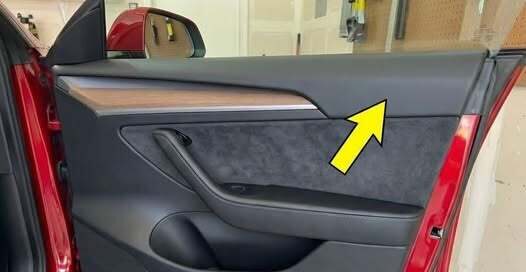
Most vehicles with electronic door systems include a manual release or emergency override. The issue is that many owners do not know where it is, how it feels, or how much force it requires.
In some cars, the manual release may be built into the door area. In others, it may be positioned lower, hidden near a storage compartment, or designed differently from the everyday control. It may not look obvious to someone who has never searched for it before.
Knowing the location is only part of the solution. Drivers and passengers should also practice using it while the car is parked and safe. They should feel the motion, understand the resistance, and recognize the difference between the powered control and the emergency release.
This small action can remove confusion during a high-stress moment. A person who has already practiced is less likely to freeze when the electronic latch does not respond.
Every Passenger Should Be Shown
Vehicle safety is not only the driver’s responsibility. Children, partners, elderly parents, and regular passengers may also need to know how to get out if the driver is unable to help.
A family car can become dangerous if only one person understands the emergency features. If that person is unconscious, injured, or unable to reach another door, passengers must be able to act on their own.
Parents should show children where the manual door release is and explain that it is for emergencies. The same should be done for spouses, relatives, caregivers, and anyone who frequently rides in the vehicle.
This does not require a dramatic lesson. It can be as simple as sitting in the parked car and pointing out the normal door button, the manual release, and the trunk release. The important part is making sure the information is understood before it is needed.
The Trunk Release Can Also Save Lives
Emergency planning should not stop at the side doors. Drivers should also locate the trunk release and understand how it works.
In some emergencies, the usual doors may be blocked, damaged, or difficult to open. A trunk escape option may become important, especially if the car’s position after a crash makes one exit unusable.
Like the manual door release, the trunk release should be found and tested in calm conditions. Waiting until a crisis to search for it is not a reliable plan.
Every driver should know whether their vehicle has an emergency trunk release, where it is placed, and how it operates. Passengers who ride often should know this information as well.
Emergency Tools Should Be Within Reach
A window breaker and seatbelt cutter can provide another layer of protection. These tools are simple, but their usefulness depends entirely on placement.
A tool stored in the trunk may not help someone trapped in the driver’s seat. A tool buried in a glove compartment may be impossible to reach with one hand, especially if the person is injured or pinned in place.
The best location is somewhere reachable from the seated position. A driver should be able to grab it with either hand. Passengers should also know where it is located.
The tool should not be treated as a decoration or a forgotten accessory. It is part of an emergency escape plan, and it should be positioned with the same seriousness as a seatbelt or first-aid item.
Seatbelts Can Become a Barrier
Seatbelts are essential safety equipment, but after a severe crash, they can sometimes become difficult to release. A person may be upside down, pressed against the belt, or unable to move normally.
In that situation, a seatbelt cutter can make escape possible when the buckle cannot be released quickly. The tool is especially important because panic and injury can make even simple movements harder.
Drivers should not assume they will always be able to unbuckle normally. They should prepare for the possibility that the belt may need to be cut in order to get out.
That preparation is not about fear. It is about accepting that emergencies are unpredictable and that small tools can make a major difference when normal systems fail.
Practicing While Calm Is the Key
The most practical safety step is also the simplest: practice. A driver should sit in the parked vehicle, identify every emergency exit feature, and operate the manual releases before a crisis occurs.
This should be done in daylight, without pressure, and with enough time to understand each control. The driver should not only read about the feature but physically use it.
Feeling the release matters because emergency controls may not move like regular handles. Some may require a firmer pull. Others may be positioned in a way that feels unfamiliar.
Practice creates memory. In a frightening moment, the body is more likely to repeat what it has already done before.
Why Vehicle Owners Should Read Their Manuals
Many people never read the sections of their owner’s manual that explain emergency exits and backup releases. That can leave them unaware of important safety features already built into their vehicle.
The manual can help identify where the manual door release is located, how the trunk release works, and what emergency steps apply if the vehicle loses power.
Because door designs vary from car to car, owners should not rely on general assumptions. A release that is easy to find in one vehicle may be hidden or shaped differently in another.
Reading the manual may feel unnecessary until the moment something goes wrong. But in an emergency, the information inside can become extremely important.
Do Not Assume Technology Will Always Work
Modern vehicles can protect occupants in many ways, but no system is perfect. Electronics depend on power, wiring, sensors, and functioning components.
A crash can damage those systems. A dead battery can disable features. A shorted circuit can interrupt controls that normally seem effortless.
This does not mean electronic latches are always dangerous or that modern cars should not be trusted. It means drivers should understand the difference between convenience features and emergency backups.
The safest driver is not the one who assumes everything will work. The safest driver is the one who knows what to do when something does not.
Families Should Make Escape Knowledge Routine
For families, emergency exit knowledge should be treated like any other safety habit. People learn to buckle seatbelts, lock doors, and check mirrors. They should also learn how to get out if the car loses power.
This is especially important for children and aging parents. They may not recognize the difference between an electronic button and a manual release unless someone shows them clearly.
A short demonstration can prevent confusion later. It can also give passengers confidence that they are not helpless if the driver cannot respond.
The goal is not to frighten anyone. The goal is to make emergency actions familiar enough that they can be used without hesitation.
A Small Lesson Could Prevent a Tragedy
No driver expects a routine trip to turn into an emergency. That is exactly why preparation matters. The time to learn an escape route is before the door button stops responding, before the battery dies, and before panic takes over.
Finding the manual release, testing the trunk release, and placing a window breaker within reach are not complicated tasks. They require only a few minutes of attention.
Those few minutes can matter more than many people realize. In a crisis, knowing what to grab and where to pull may be the difference between getting out quickly and remaining trapped.
A car is designed to move, protect, and carry people safely. But if its electronic systems fail, the people inside must know how to rely on the mechanical backups.
Preparedness Is Part of Safety
Airbags, crash ratings, and sensors are important, but they are not the whole safety picture. True safety also includes knowing how to escape when the vehicle is damaged or powerless.
Every driver should take time to learn the manual systems built into their own car. Every regular passenger should be shown the basics. Every emergency tool should be placed where it can actually be reached.
Most people may never need to use these steps. But if the moment ever comes, preparation could turn a terrifying close call into a survivable event.
The lesson is simple: do not wait until the doors will not open to learn how they work. Learn today, practice today, and make sure the people who ride with you know what to do as well.