
Trump’s “Great American State Fair” Unravels Under Extreme Heat and Mounting Setbacks
Emergency Evacuation Ends a Troubled Day on the National Mall
The screaming began as sirens cut through the heat. Moments later, security orders moved through the grounds, telling families, vendors, and visitors to leave the National Mall as dangerous temperatures pushed the event into an emergency evacuation.
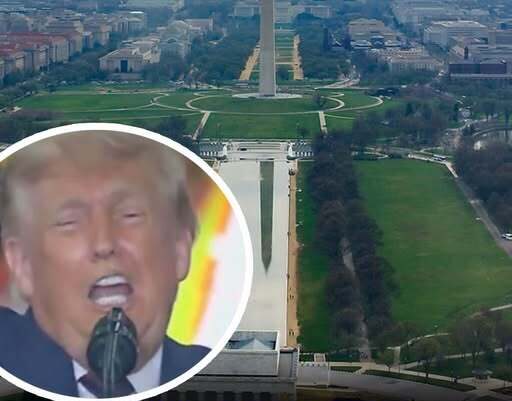
Trump’s “Great American State Fair” had been promoted as a large patriotic celebration tied to America’s 250th birthday. Instead, the event became defined by extreme heat, operational failures, sparse attendance, and a sequence of disruptions that built over several difficult days.
By the time the evacuation order came, the National Mall was shimmering under temperatures near 100°F. Families hurried to gather children, vendors stepped away from their stalls, and the fairgrounds shifted from celebration space to evacuation zone.
The heat was the immediate reason for the emergency action, but it was not the only problem facing the event. It was the moment when a week of visible setbacks reached a breaking point in public view.
A Celebration Overwhelmed by Heat
The dangerous heat index turned the open fairgrounds into a difficult environment for visitors and workers. Under a blazing sky, the outdoor layout left people exposed to the conditions for long periods.
What had been planned as a triumphant national spectacle struggled against the reality of severe summer weather. The high temperatures affected crowds, vendors, security operations, and the overall pace of the event.
As conditions worsened, safety became the central concern. Security personnel moved visitors away from the grounds, bringing the daytime portion of the fair to an abrupt halt.
Freedom 250 insisted that safety came first and promised a reset for the evening. However, for many who had watched the event struggle through one problem after another, the evacuation felt less like an isolated interruption and more like the latest sign of a troubled celebration.
Power Failure Hits the Main Food Hall
Before the heat evacuation, the fair had already faced a major disruption inside the main food hall. A blackout there caused serious problems for vendors and visitors alike.
Without power, vendors’ stock was ruined, creating financial and logistical losses during an event that was supposed to bring large crowds and steady business. The food hall, meant to serve as one of the fair’s busiest areas, instead became another source of frustration.
The outage also drove sweating visitors toward the exits. In the middle of already uncomfortable conditions, the loss of power made the fair feel increasingly difficult to manage.
For vendors who had prepared for a major national celebration, the blackout added to the sense that the event was falling short of expectations. Supplies were damaged, visitors left, and the atmosphere became more strained.
Stage Decor Incident Raises Safety Concerns
The problems were not limited to heat and power. During rehearsal, a falling piece of stage decor nearly struck dancers, adding another alarming moment to the week’s list of setbacks.
The incident did not become the central reason for the evacuation, but it contributed to the broader impression that the fair was struggling behind the scenes. A rehearsal space meant for performance preparation instead became a place of concern.
Stage elements are supposed to support the visual presentation of an event. In this case, the falling decor became another symbol of instability at a fair already under pressure.
For performers and organizers, the near miss added another layer of difficulty. The event was not only facing external challenges from weather, but also internal problems connected to staging and operations.
Storms Force a Headliner Cancellation
Weather caused another major blow when storms wiped out Vanilla Ice’s headlining slot just hours before showtime. The cancellation removed one of the fair’s scheduled entertainment draws at a critical moment.
The loss of a headlining act added to the sense that the event could not regain momentum. With the fair already dealing with heat, crowd concerns, and operational setbacks, the canceled performance became another public disappointment.
For visitors expecting a full entertainment schedule, the cancellation changed the experience. A celebration built around spectacle and patriotic energy was instead marked by interruptions and uncertainty.
The storms did not stand alone as a single weather issue. They followed other problems and came before the dangerous heat evacuation, making the week feel like a chain of escalating disruptions.
Empty Seats and Half-Filled Spaces
By the time security ordered people off the grounds, the visual picture of the event had already shifted. Television cameras captured half-empty tents, bored officials speaking to rows of vacant chairs, and fairgoers walking away under the intense sun.
Those images carried a strong symbolic weight. An event intended to project unity, energy, and national pride was instead being viewed through scenes of empty seating and tired visitors.
The contrast was difficult to ignore. The fair had been billed as a major patriotic spectacle, but the visible attendance problems made the setting appear far less triumphant than planned.
For a celebration tied to America’s 250th birthday, the optics mattered. Rows of vacant chairs and quiet tents gave the event a muted appearance at moments when organizers likely expected energy and crowds.
A Patriotic Spectacle Becomes a Public Unraveling
The fair’s difficulties became more than a list of isolated incidents. Together, the heat, blackout, falling decor, storm cancellation, and evacuation created a larger narrative of an event struggling to hold together.
The emergency evacuation was the most dramatic moment, but it followed days of trouble. Each disruption added pressure until the fair’s image changed from celebration to damage control.
The National Mall setting made the problems even more visible. As a symbolic national space, it turned the fair’s setbacks into a public scene rather than a private logistical issue.
Families leaving with children, vendors abandoning stalls, and visitors walking away in the heat created a sharp contrast with the patriotic framing of the event. The celebration’s intended message was overtaken by the conditions on the ground.
Safety Message Does Not Erase the Damage
Freedom 250’s message that safety came first addressed the immediate reason for clearing the grounds. In dangerous heat, moving people out of harm’s way became the priority.
Still, the statement could not erase the problems that had already accumulated. For those present, and for those watching from outside, the fair had already become associated with repeated failures.
The promise of an evening reset suggested that organizers hoped to recover the schedule and restore order. But the earlier scenes had already shaped public perception.
Once cameras showed half-empty tents, vacant chairs, and people leaving under intense heat, the event’s difficulties became part of its public identity. The evacuation did not create that perception by itself; it confirmed what had been building throughout the week.
Vendors and Visitors Bear the Impact
The event’s struggles were felt most directly by the people on the ground. Vendors faced ruined stock after the food hall blackout, while visitors dealt with heat, cancellations, and uncertainty.
Families who arrived expecting a major national celebration instead had to respond quickly to emergency instructions. Parents gathered children, people moved away from stalls, and the atmosphere shifted from festive to urgent.
For vendors, the combination of low crowds, heat, and power failure made the fair especially difficult. A large public event can represent an important opportunity, but disruptions can quickly turn that opportunity into a loss.
The empty spaces also affected the overall mood. A fair depends on movement, noise, and participation. When crowds thin out and people begin leaving, the event can lose its energy quickly.
A Week Defined by Setbacks
The collapse of the day’s schedule did not happen suddenly, even if the sirens made the final moments feel abrupt. The emergency evacuation was the result of a dangerous heat situation, but it arrived after a sequence of earlier failures.
A blackout ruined vendor stock. A falling stage decoration nearly struck dancers during rehearsal. Storms canceled Vanilla Ice’s headlining appearance. Heat forced people off the grounds.
Each incident had its own cause and impact, yet together they created a consistent pattern. The fair appeared unable to escape problems long enough to deliver the celebratory experience it had promised.
That pattern is why the symbolism became so powerful. The event was not remembered only for heat or one canceled performance, but for the way several issues overlapped until the larger celebration seemed to unravel.
The Celebration’s Image Shifts
Trump’s “Great American State Fair” was meant to serve as a confident patriotic event for America’s 250th birthday. The setting, branding, and planned entertainment all pointed toward spectacle.
Instead, the lasting images became emergency movement, empty chairs, half-filled tents, abandoned stalls, and visitors leaving under a punishing sun. Those scenes changed the tone of the fair from celebration to crisis management.
The evacuation may have been necessary for safety, but it also became the clearest symbol of the event’s troubles. It marked the moment when the difficulties could no longer be treated as minor setbacks.
For many observers, the damage was already done before any promised evening reset could begin. The fair had stumbled too visibly, too often, and under conditions too difficult to overlook.
An Event Remembered for What Went Wrong
In the end, the story of the fair was shaped by the gap between expectation and reality. It was billed as a patriotic national celebration, but the week was dominated by heat, failures, cancellations, and visibly weak turnout.
The emergency evacuation became the defining moment because it brought all of those pressures into one scene. Sirens, orders to flee, families leaving, and vendors stepping away from their stalls captured the fair’s collapse in real time.
Freedom 250’s focus on safety addressed the immediate danger, but public memory often centers on images. In this case, the images were not of a packed, joyful celebration, but of an event struggling against heat, weather, and logistical problems.
What was intended to look like a triumphant spectacle instead became a public example of how quickly a major event can lose control. By the time the grounds were cleared, the fair’s message had been overtaken by the reality of its unraveling.