
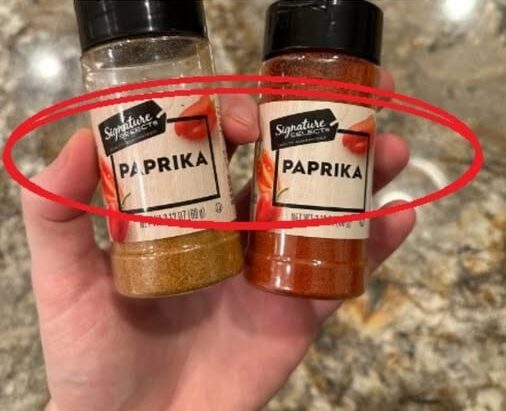
What Paprika Is Really Made From and Why the Internet Was So Surprised
The Simple Truth Behind This Common Red Spice
Paprika is one of those kitchen staples many people use without ever stopping to think about where it actually comes from.
It sits in spice racks, gets sprinkled over deviled eggs, adds color to roasted potatoes, and gives countless dishes a warm red finish. Yet for many home cooks, its origin remained oddly mysterious until a simple food fact started circulating online.
The surprise was not that paprika is rare, complicated, or difficult to produce. The surprise was the opposite. Paprika is made from dried and crushed red capsicum.
That simple explanation left many people stunned. For a spice so familiar, a large number of people had apparently never connected the bright red powder with the red peppers they already knew from the grocery store.
The Food Fact That Caught People Off Guard
The online reaction began after a post from Australian influencer Nutra Organic brought attention to a detail that many people had either never learned or had never questioned.
The post summed up the realization plainly: “Learning that paprika is just dried and crushed red capsicum was really shocking. I don’t know why I thought there was a paprika tree somewhere.”
That reaction resonated because it captured something surprisingly common. Many people knew paprika as a spice, but they had never imagined it as a pepper in another form.
The idea of a “paprika tree” quickly became part of the conversation. It was not a real explanation, of course, but it reflected how easily people can carry vague assumptions about everyday foods for years.
For many, paprika had simply existed as paprika. It came in small containers, looked like a finished product, and had a name that sounded distinct enough to feel separate from ordinary peppers.
Why So Many People Imagined Something Else
Part of the confusion comes from how spices are presented. Once a plant becomes a powder, it can feel disconnected from its original form.
People recognize cinnamon sticks, peppercorns, and dried herbs more easily because their shapes give hints about where they came from. Paprika, by contrast, is usually seen only as a fine red powder.
That makes it easy to assume it comes from its own special plant, seed, pod, or spice bush. The name itself also does not immediately point to red capsicum for people who have never looked into it.
In everyday cooking, paprika is often treated as a background ingredient. It is used to add color, warmth, and mild flavor, but it rarely becomes the center of attention.
Because of that, many people shake it over food without ever wondering what was dried, crushed, and packaged to create it.
What Paprika Actually Is
There is no paprika tree. Paprika is made from red peppers that have been dried and ground into powder.
The peppers are typically sweet or mild red capsicum varieties. They are allowed to ripen fully until they develop their red color, then they are dried and crushed into the spice people recognize.
At its simplest, paprika is a red pepper transformed through drying and grinding. That is the central fact behind the online surprise.
Some versions of paprika may come from specially grown pepper varieties selected for flavor, sweetness, color, or heat. Still, the basic idea remains the same: paprika begins as red capsicum.
That explanation can feel almost too simple. A spice that looks so distinct in a jar is actually connected to a vegetable many people have sliced into salads, stir-fries, and roasted dishes.
How Red Peppers Become Paprika
The process of making paprika is straightforward. First, the peppers need to ripen until they are fully red.
That stage matters because the color and flavor develop as the pepper matures. The redder the pepper, the more it contributes to paprika’s familiar appearance and mild sweetness.
After ripening, the peppers are dried. This can happen through air-drying, which is slower and more traditional, or through artificial drying methods that remove moisture more efficiently.
Once the peppers are completely dry, they are ground into a fine powder. That powder is paprika.
The process does not require a hidden ingredient or an unusual plant. It depends on ripe red peppers, drying, and grinding.
Why Drying Changes the Pepper So Much
Drying is what turns the pepper from a fresh ingredient into a shelf-stable spice.
Fresh capsicum is juicy, crisp, and mild. Once the moisture is removed, the flavor becomes more concentrated, and the pepper can be ground into powder.
This is why paprika does not feel the same as eating a fresh red pepper, even though they are directly connected. The drying process changes the texture, strengthens the flavor, and creates a spice that can be stored and used in small amounts.
Grinding then gives paprika its familiar form. Instead of pieces of dried pepper, it becomes a smooth powder that can blend easily into sauces, rubs, marinades, eggs, potatoes, soups, and stews.
That transformation helps explain why so many people failed to recognize its origin. The finished spice looks far removed from the pepper it came from.
Can Paprika Be Made at Home?
Paprika can be made at home by drying ripe red capsicum and grinding it into powder.
The key is patience. The peppers must be dried completely before they are ground, because any remaining moisture can prevent the powder from forming properly and can affect storage.
A dehydrator can make the process easier. A sunny window or careful air-drying can also work if the peppers are given enough time to become fully dry and brittle.
Once dry, the peppers can be placed in a spice grinder. A mortar and pestle can also be used for a more hands-on method, though it may take more effort to create a fine texture.
The result is a homemade version of paprika that may taste fresher than the powder sitting in a store-bought container.
Why Homemade Paprika May Taste Different
Homemade paprika will not always taste exactly like the paprika found in stores.
The flavor depends on the type of pepper used, how ripe it was, how it was dried, and how finely it was ground. A mild red capsicum will create a gentle, sweet powder, while a different pepper may bring more intensity.
Smoked paprika is a separate experience because it gets its character from smoke. Without drying the peppers over fire or adding a smoking step, homemade paprika will not have that same smoky quality.
Even so, a simple homemade version can still work well in everyday cooking. It can add color, mild sweetness, and a warm pepper flavor to familiar dishes.
For many people, the appeal is not only the flavor but the realization that a common spice can be made from something so recognizable.
Why Paprika Still Feels Special
Knowing paprika is made from ground red pepper does not make it useless or ordinary.
It remains an important ingredient because of the way it brings color and warmth to food. A small amount can make eggs, potatoes, chicken, sauces, and stews look richer and more finished.
Its flavor can be mild, earthy, sweet, or smoky depending on the variety. That flexibility is part of why it appears in so many dishes.
Paprika is also strongly associated with foods such as Hungarian goulash, barbecue rubs, and Spanish-style potatoes. It can support deeper flavors without overpowering the dish.
Even when used mostly for color, it still changes the look and feel of a plate. That is why it has remained such a familiar presence in home kitchens.
The Humor Behind the Viral Reaction
The internet reaction was funny because the fact itself was so simple.
People were not discovering a complicated secret. They were discovering that something they had used for years was much less mysterious than they imagined.
The shock came from the gap between assumption and reality. Paprika sounded like it should come from something exotic or separate, but it turned out to be dried red capsicum.
That kind of realization often spreads quickly online because it makes people feel both surprised and slightly embarrassed. It is the kind of fact that seems obvious after hearing it, but only after someone says it out loud.
Many people had never seriously asked what paprika was made from. Once they learned the answer, the reaction became part discovery and part shared joke.
A Small Kitchen Mystery Solved
Paprika’s origin may not change how people use it, but it does change how they see it.
The next time someone sprinkles it over breakfast potatoes, eggs, chicken, or a stew, they may picture a ripe red pepper instead of a mysterious spice plant.
That connection makes the ingredient feel more familiar, not less valuable. It shows how everyday foods can hide simple stories in plain sight.
There was never a paprika tree. There was never a special secret pod. Paprika is dried and crushed red capsicum, turned into a powder that has earned a permanent place in kitchens around the world.
For a spice so ordinary, it still managed to surprise a lot of people. And that may be the best part of the whole discovery: sometimes the most familiar ingredients are the ones people understand the least.
So the next time paprika brightens a dish or saves a plate from looking too plain, its secret will be a little less mysterious. It is not magic. It is a red pepper, dried down, ground up, and given a much more memorable name.