
Joe Cocker’s Long Road From Sheffield Hardship to Rock Immortality
Early Life in a Working-Class City
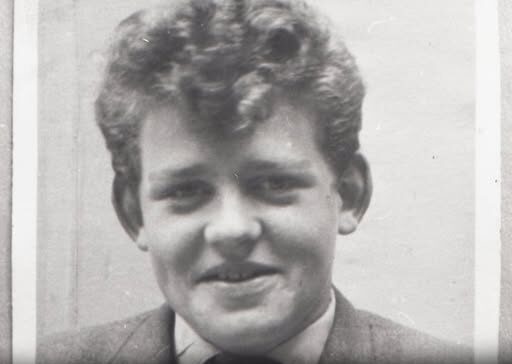
Joe Cocker became one of the most recognizable voices in modern music, known for a sound filled with grit, emotion, and unmistakable power. Long before worldwide fame, however, his life began far from stadium lights and sold-out tours.
He was born John Robert Cocker in Sheffield, England, during the closing years of World War II. At the time, Sheffield was a city shaped by steel production, factory labor, and demanding daily routines.
The skyline was marked by industrial smoke, and life for many families centered on hard work and practicality. Comfort was limited, and few people expected easy success.
His father served in the Royal Air Force, while his mother managed the home and family life. Stability came through discipline and effort rather than luxury.
Music as an Escape
For the young Cocker, music was not originally part of a carefully planned career path. It became something more personal—a release from the routine around him.
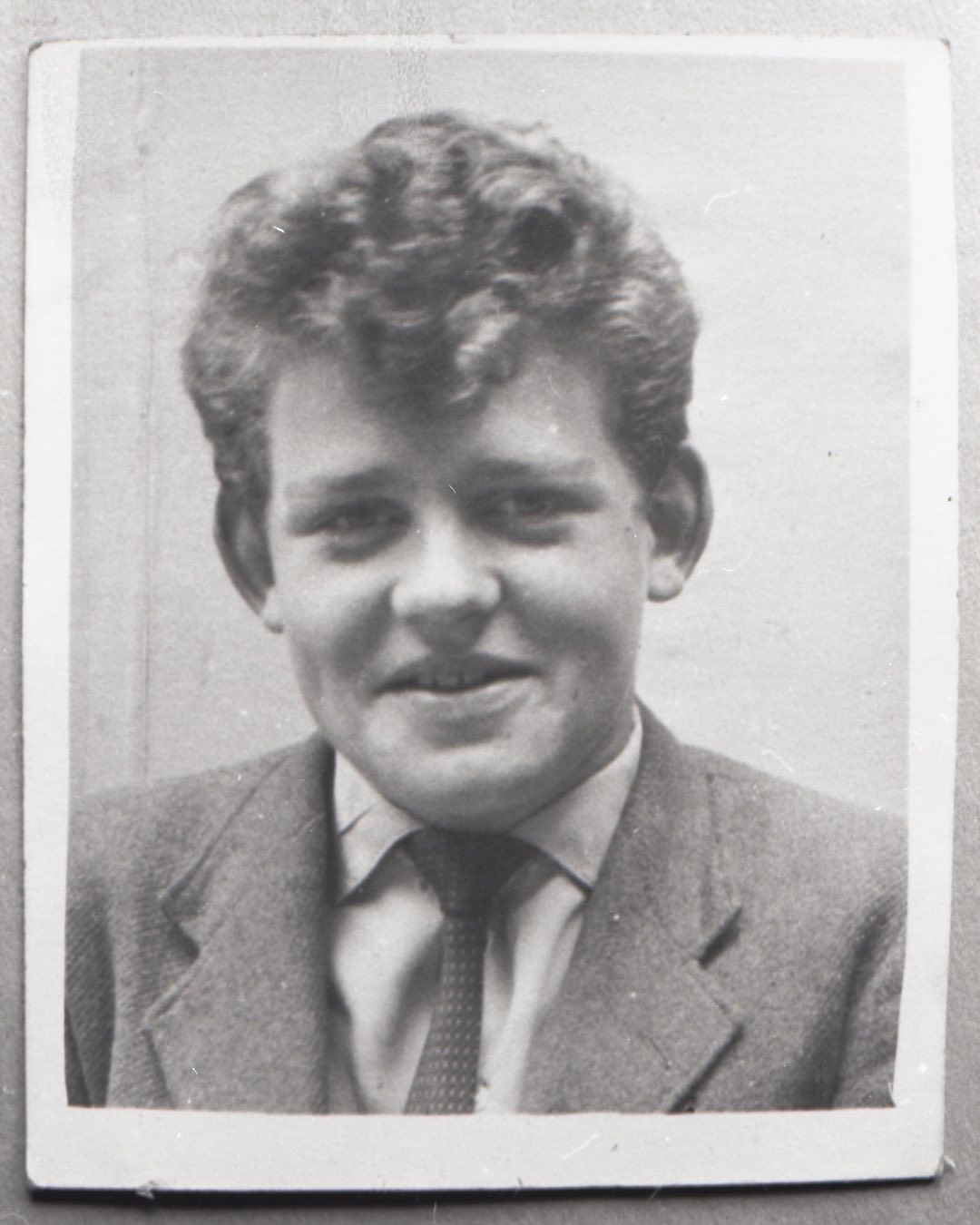
He left school at the age of sixteen and entered the workforce as an apprentice gas fitter. Like many young people of the era, he took a practical job because it was the sensible thing to do.
During the day, he worked. At night, he pursued music in pubs and small venues where attention from the crowd was never guaranteed.
Those early performances offered little sign of what was to come. His voice was still developing, and success seemed distant.
Even so, determination was already present. He continued performing despite small audiences, uncertain opportunities, and limited recognition.

Years of Rejection and Persistence
The road forward was slow. Money was scarce, and progress was hard to measure.
He saved what he could to make demo recordings. Equipment was often borrowed. Many of the people watching his sets cared more about conversation and drinks than the singer on stage.
In 1964, Decca Records gave him a chance to record a Beatles cover. For many artists, that kind of opportunity could have changed everything.
For Cocker, it did not.
The release failed to create momentum and passed without lasting impact. It was the kind of disappointment that causes many people to abandon their ambitions.
He chose a different path. He continued working, performing, and waiting for a break that still had not arrived.
The Breakthrough in 1968
Everything changed in 1968.
His version of “With a Little Help from My Friends” transformed a familiar Beatles song into something entirely different. Instead of a straightforward cover, it became a raw and deeply emotional performance that connected with listeners in a powerful way.
The song climbed the charts and finally gave him the recognition he had pursued for years. After a long period of struggle, he had been heard on a much larger stage.
A telegram reportedly arrived from John Lennon and Paul McCartney, offering acknowledgment from the writers of the song he had reinvented.
It was a symbolic moment in a career that had required extraordinary patience.
The Woodstock Performance
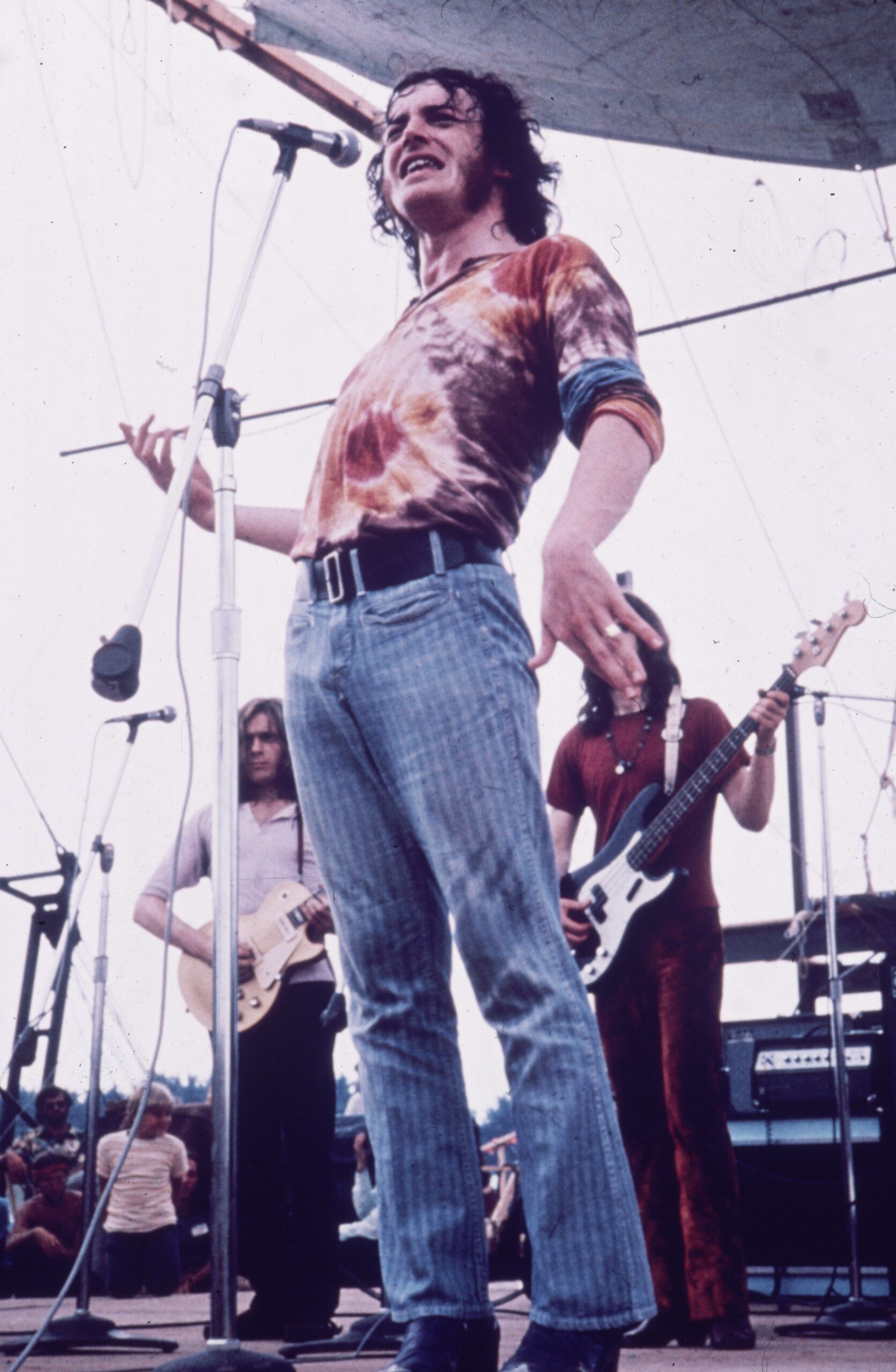
If the 1968 hit introduced Joe Cocker to the public, Woodstock in 1969 made him unforgettable.
Appearing in simple clothing and moving with unusual intensity, he delivered a performance that felt spontaneous and deeply personal. His style was not polished or restrained.
Instead, it was emotional, unpredictable, and real.
Many performances are remembered for technical perfection. Cocker’s stood out because it carried visible feeling and complete commitment.
That appearance became one of the defining moments of his public image and remains closely associated with his legacy.
The Cost of Success
Major success brought pressure as well as rewards.
Relentless touring schedules demanded constant travel, late nights, and physical endurance. Over time, the pace took a heavy toll.
Alcohol, heroin, and cocaine became part of a destructive cycle. What may have begun in celebration gradually turned into dependency.
His performances became inconsistent. Health problems grew more serious. Public incidents and arrests added to the turbulence surrounding his career.
There were periods when it appeared possible that the weight of personal struggles might end his time in music altogether.
Returning With New Success
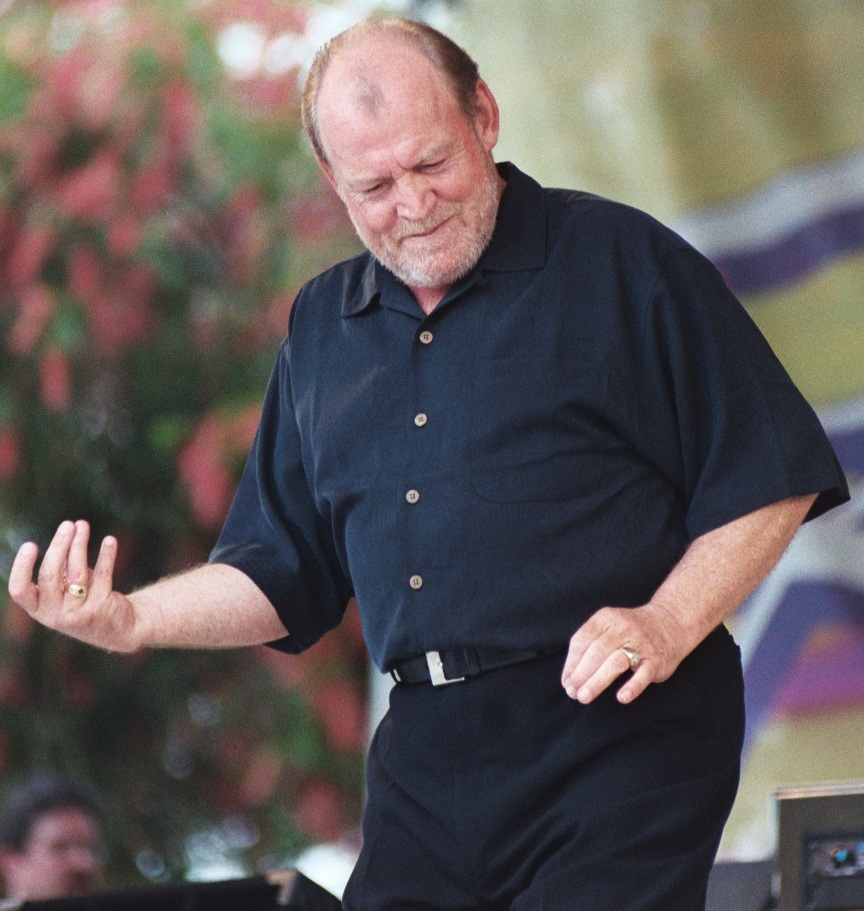
Even during difficult years, Joe Cocker continued to create memorable work.
He recorded songs that reintroduced him to audiences and demonstrated the lasting strength of his voice.
Among them was “You Are So Beautiful,” a song that became one of the best-known recordings of his career.
Later, “Up Where We Belong,” his duet with Jennifer Warnes, brought another major wave of success.
The song reached the top of the charts and earned a Grammy Award. It also introduced his music to a new generation of listeners.
These achievements showed that setbacks had not erased his artistic value.
A Personal Turning Point
The most important change in his life did not come from commercial success or awards.
It came through personal stability.
When he met Pam Baker in the late 1970s, those close to his story saw an important shift. Their relationship later became marriage in 1987.
Her presence brought grounding and structure to a life that had long been marked by instability.
With support and greater balance, he began moving away from the chaos that had threatened both his health and career.
Later Career and Lasting Identity
In the decades that followed, Joe Cocker continued recording and touring regularly.
He did not rely on changing trends or dramatic reinventions. Instead, he remained connected to the qualities that first made him stand out: emotional honesty, individuality, and a voice impossible to mistake for anyone else.
Albums such as Unchain My Heart and Have a Little Faith showed that his ability to connect through music had not faded.
He remained a performer whose greatest strength was not perfection, but feeling.
Audiences often responded because his songs sounded lived-in and genuine rather than manufactured.
Final Years and Passing
Joe Cocker passed away on December 22, 2014, in Crawford, Colorado. He was 70 years old.
He had been battling lung cancer. Years of heavy smoking had affected his health, though he had stopped smoking decades earlier.
His death marked the end of a career that had traveled an extraordinary distance—from working-class Sheffield to international fame.
Recognition After His Death
In 2025, he was posthumously inducted into the Rock and Roll Hall of Fame.
For many admirers of his career, the honor was seen as overdue recognition for an artist whose influence had long been clear.
It formally placed him among the most important names in modern popular music.
The Legacy He Left Behind
Joe Cocker’s story is about more than hit records and famous performances.
It is also the story of persistence through rejection, survival through personal struggle, and the ability to keep moving forward when success was anything but certain.
His career did not follow a smooth or predictable line. That may be part of why it continues to resonate.
He represented the idea that talent matters, but endurance matters too.
Most of all, he left behind a voice that carried experience in every note.

When his music plays, listeners do not hear only technique or style. They hear someone who lived what he sang.