
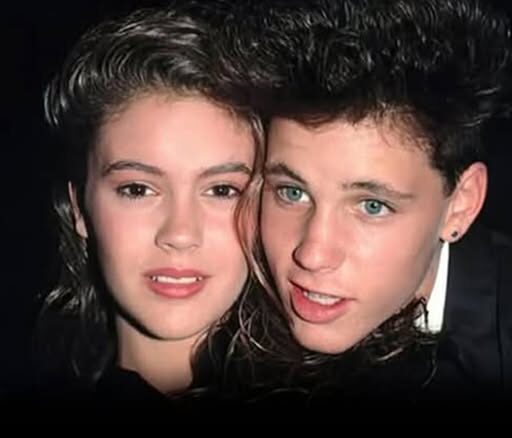
Corey Haim’s Rise to Teen Stardom and His Fight to Get Back on Screen
From The Lost Boys to The Two Coreys, the Toronto-Born Actor Kept Looking for Another Chance to Work
Corey Haim was ten when he began appearing in television commercials. By the late 1980s, the Toronto-born actor was receiving thousands of fan letters and starring in films such as The Lost Boys and License to Drive. Years later, as acting jobs became harder to find, he took out an advertisement in Variety to tell the industry he was ready to work again.
Haim’s performances had earned serious attention before he became a teen idol. He spent his adult years dealing with addiction, financial hardship, and repeated interruptions to his career. He died of pneumonia on March 10, 2010.
Acting Lessons Gave a Shy Child a Place to Start
Born in Toronto in December 1971, Haim was a shy child whose parents encouraged him to take acting lessons to build his confidence. He found that working in front of a camera felt natural. Television commercials gave him his first experience on screen, followed by a role in the series The Edison Twins.
His career was beginning to take shape as his parents divorced, a change he found difficult. In 1984, he played Brian Livingston in Firstborn and earned a Young Artist Award nomination. The role gave him a chance to portray a complicated character while he was still in the early stages of his career.
Film critic Roger Ebert saw considerable promise in the performance. “He creates one of the most three-dimensional, complicated, interesting characters of any age in any recent movie. If he can continue to act this well, he will never become a half-forgotten child star, but will continue to grow into an important actor. He is that good.”
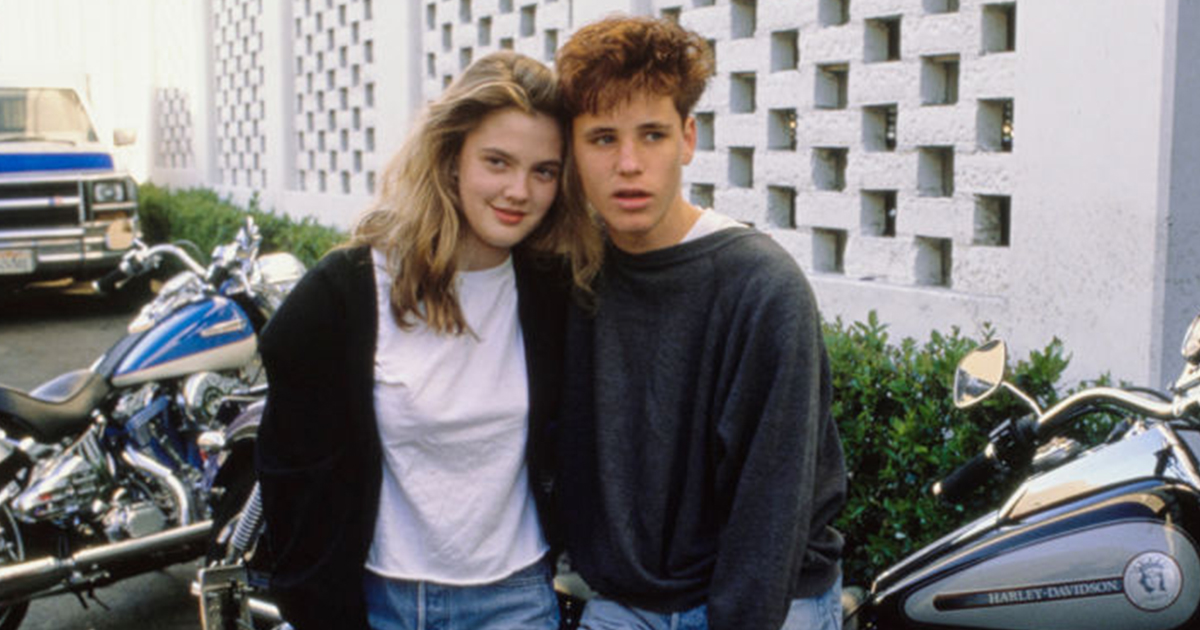
The Lost Boys Turned Corey Haim and Corey Feldman Into Teen Stars
Haim’s audience grew dramatically in 1987 when he starred opposite Corey Feldman in The Lost Boys. The two young actors became teen idols, and the chemistry they brought to the film led to more collaborations. Years later, their shared history would become the premise of the reality series The Two Coreys.
At the height of Haim’s popularity, thousands of letters reached him from fans around the world. Reporters followed him to premieres, where even a conversation about getting ready could become part of the coverage. Before the 1988 premiere of License to Drive, Haim was making plans with his girlfriend, Lala, when he turned to his mother, Judy. “We’re calling a limo, aren’t we, Mom?”
His daily life increasingly revolved around the entertainment industry. His formal education ended after eighth grade, and he became a regular at Alphy’s Soda Pop Club, a nightclub for underage actors at the Hollywood Roosevelt Hotel. While fans were getting to know him through his films, much of his teenage social life was also taking place among people who worked in Hollywood.
Rehab Began Before His Teen Years Were Over
Haim’s struggles with substance use began during the years when his career was taking off. He began drinking beer while filming Lucas in 1986 and was using marijuana by the time he worked on The Lost Boys. After moving to Los Angeles, he began using cocaine and later crack. In 1989, at 18, he entered rehab for the first time.
He continued to struggle with relapses and developed a dependence on prescription medication. Haim described himself as a “chronic relapser.” At times, he reportedly took as many as 85 pills in a day. Dr. Nicki J. Monte, who worked with Haim and Feldman on The Two Coreys, described addiction as a force Haim repeatedly struggled to break free from.
As acting opportunities diminished, Haim went through an eight-year break from the industry. He spent much of his money on hospital visits and, at one point, tried to sell his teeth and hair on eBay. He also recalled going three and a half years without leaving his apartment, during which he said his weight rose from 150 to 302 pounds.

Bankruptcy and a Public Bid to Work Again
Haim filed for bankruptcy in 1997. The assets listed in the proceedings included a 1987 BMW, $100 in cash, clothing valued at $750, and $7,500 in residuals and royalty rights. The payments attached to his earlier work were among the remaining assets of an actor who had once been in steady demand.
An E! documentary showed Haim sharing a sparsely furnished apartment above a garage in Santa Monica with his mother. He appeared disoriented in some interviews. In one incident, he arrived intoxicated and asked for enough money to buy a slice of pizza. He was also trying to get promotional videos in front of casting agents, presenting himself as “the old Corey.”
The Two Coreys put him back on screen with Feldman, but the show was canceled in 2008 amid Haim’s continuing problems with drugs. Haim then bought space in Variety to make his case to potential employers. “This is not a stunt. I’m back. I’m ready to work. I’m ready to make amends.”
The Autopsy Established His Cause of Death
When Haim died on March 10, 2010, Los Angeles police initially suspected an accidental overdose. Bottles of Valium, Vicodin, Soma, and Haloperidol were found in his home. The discovery prompted questions about the role prescription medication might have played in his death.
It later emerged that Haim had obtained more than 553 prescription pills in the 32 days before he died. He had used aliases, visited seven doctors, and filled prescriptions at seven pharmacies. The autopsy determined that he died of pneumonia and classified his death as due to natural causes.
Later Allegations Drew Renewed Attention to His Childhood in Hollywood
Years after Haim’s death, Feldman alleged that both actors had been sexually abused by men connected to a network in Hollywood. Judy Haim disputed Feldman’s broader claims. She said that her son had been molested on one occasion by a man.
On the tenth anniversary of Haim’s death, Feldman released a documentary about the abuse he said the two actors experienced. In it, he alleged that Haim had told him Charlie Sheen raped him during the making of Lucas. Several people in the documentary, including Feldman’s former wife Susannah Sprague, said Haim had spoken to them about the alleged abuse.
Sheen denied the allegation through his publicist. “These sick, twisted and outlandish allegations never occurred. Period. I would urge everyone to consider the source and read what his mother Judy Haim has to say.” Sheen had also denied a similar allegation published in 2017 that involved actor Dominick Brascia. Sheen sued the publication, and the lawsuit was settled in 2018.

The Performances That First Made Audiences Pay Attention
Haim’s career is often remembered through his partnership with Feldman, but the recognition he received for Firstborn came before that pairing made him famous. Ebert’s review captured an early impression of Haim as an actor capable of giving a young character the same complexity audiences expected from an adult role.
For many viewers, the films of the late 1980s remain where they first met him. In The Lost Boys, his rapport with Feldman gave audiences a pairing they wanted to see again. In Firstborn, made three years earlier, he had already shown what he could do on his own.