
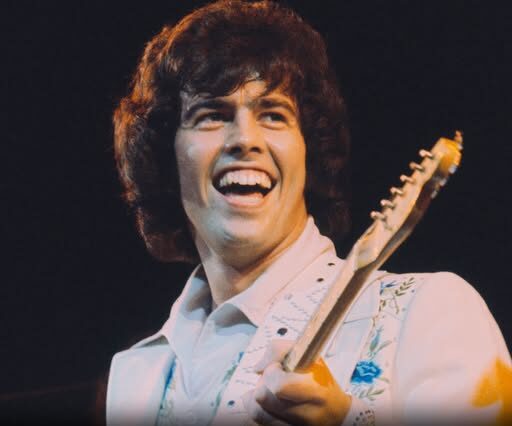
Alan Osmond Dies at 76, Remembered as Founding Force Behind The Osmonds
A Family Announcement Marks the End of an Era
Alan Osmond, the oldest performing brother in the famous Osmond family, has died at the age of 76.
His family confirmed the news in a statement, sharing that he passed away surrounded by loved ones. His wife, Suzanne, and their eight sons were with him during his final moments.
No cause of death has been publicly announced.
For generations of fans, Alan’s passing represents the close of an important chapter in entertainment history. He was not only a performer, but also a driving creative force in one of America’s best-known family music groups.
The Eldest Performing Brother
Born in 1949, Alan Osmond grew up in a family that would later become internationally recognized through music and television.
He was the eldest of the brothers who performed publicly. While his older brothers Virl and Tom were hearing impaired and did not sing with the group, Alan stepped into a leadership role early in life.
That early responsibility would help shape both his character and the future of the family act.
From a young age, he became deeply involved in rehearsals, musical direction, and helping his younger siblings develop as performers.
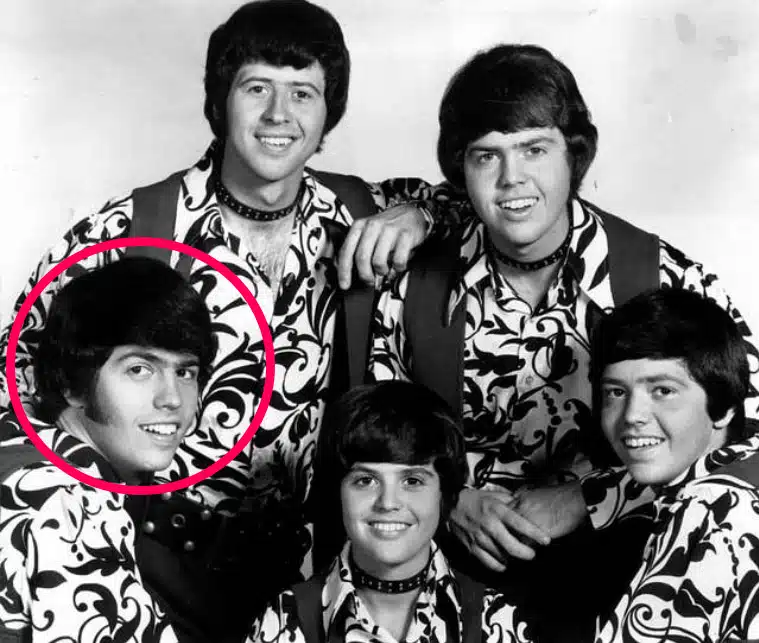
How The Osmonds Began
Alan began performing when he was just 12 years old.
He sang in a barbershop quartet with his brothers Wayne, Merrill, and Jay. What started as a modest family act slowly gained attention and expanded into something much larger.
As the years went on, younger brothers Donny Osmond and Jimmy joined the family’s musical success. Later, Marie Osmond also became a major star through television and live performance work with Donny.
What began as a family project eventually became a worldwide entertainment name.
Discipline Behind the Success
The Osmonds became known for their professionalism and exactness in the studio.
They earned the nickname the “One Take Osmonds,” reflecting how prepared they were when it was time to record.
The label was not simply about talent. Strict child labor rules limited the hours they could spend working, so the family used time at home to rehearse extensively.
Alan later described that process with typical practicality.
“We could only work so many hours a day, so we’d take the work home and make sure we nailed it on the first take.”
That mindset became part of the group’s identity and helped them build a reputation for consistency and quality.
A Creative Leader Behind the Scenes
Although many fans knew Alan as a performer, his influence extended far beyond the stage.
He played an important role in shaping the musical direction of the family group. He contributed as a songwriter and helped guide creative decisions during key years of their rise.
Among the songs he helped write were “One Bad Apple” and “Crazy Horses.”
Both tracks became closely tied to the group’s legacy. “One Bad Apple” became one of their best-known recordings, while “Crazy Horses” stood out for its stronger sound and message-driven style.
Alan’s willingness to explore different musical ideas helped broaden the image of the group during a changing era in pop music.
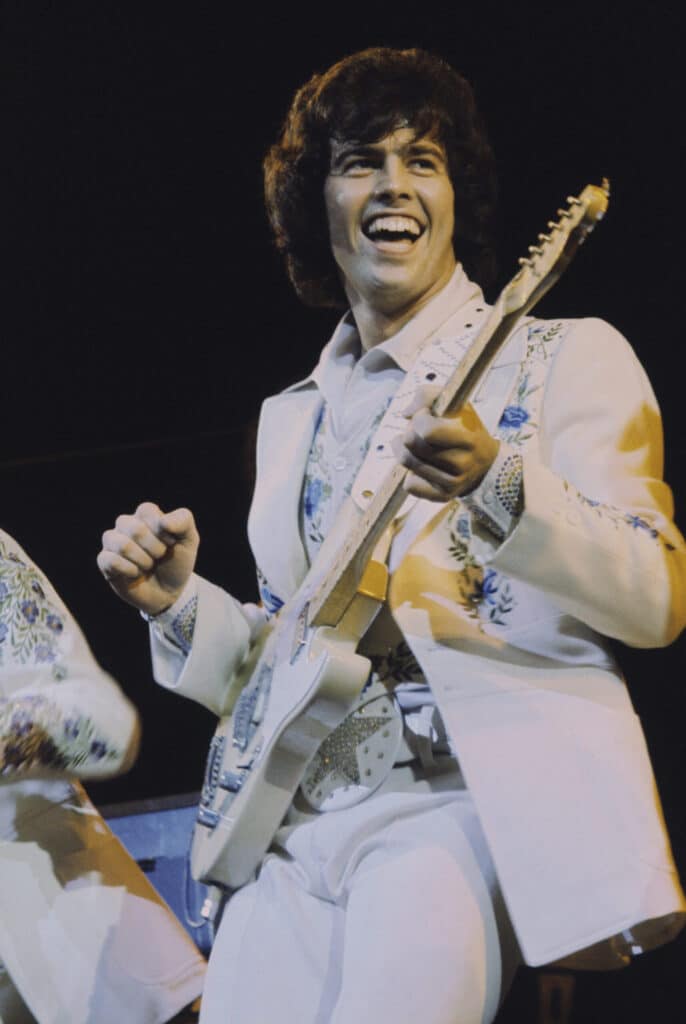
Television Fame and Global Recognition
The Osmonds reached a wider audience after appearing on The Andy Williams Show.
Those performances introduced the family to viewers across the country and helped launch their path to international fame.
From there, their popularity expanded rapidly. They built a fan base that stretched well beyond the United States and became one of the most recognizable family acts of their generation.
Alan was central to that growth, helping manage the demands of performance while maintaining the family’s disciplined approach.
Life Beyond the Spotlight
Despite the excitement of fame, Alan’s personal life reflected values rooted in faith, service, and family commitment.
He was a devoted member of The Church of Jesus Christ of Latter-day Saints, a faith shared by the Osmond family.
Religion remained an important part of his identity throughout his life.
Earlier in adulthood, Alan also served in the California Army National Guard.
He was stationed at Fort Ord as part of the 144th artillery unit. During that period, he reportedly earned the nickname “the Mormon Dream,” a reflection of the discipline and principles people associated with him.
A Long Battle With Multiple Sclerosis
In 1987, Alan Osmond was diagnosed with multiple sclerosis.
The chronic illness gradually affected his health and eventually limited his ability to continue performing as he once had.
Even as physical challenges increased, he remained connected to the group’s story and legacy.
By 2007, he had largely stepped away from performing. Still, his role in building the group’s sound and identity remained deeply respected by family members and fans alike.
His decades-long perseverance in the face of illness became another defining part of his life story.

Marriage and a Growing Family
In 1974, Alan married Suzanne Pinegar.
Together, they built a large and close family over the following decades.
The couple raised eight sons. Their family later expanded to include 30 grandchildren and five great-grandchildren.
Those numbers reflect a life centered not only on public success, but also on private devotion to family life.
For those who knew him personally, that may have been one of his proudest accomplishments.
A Lasting Public Presence
Even after stepping back from regular performance, Alan continued to appear at important family events.
In 2019, he attended a ceremony honoring Donny and Marie Osmond, who received a star on the Las Vegas Strip after more than 1,700 performances at the Flamingo Las Vegas.
The moment showed how connected the family remained through the years, with Alan still present to celebrate milestones in the lives of his siblings.
Though no longer center stage, he remained an important and respected figure within the Osmond story.
The Legacy He Leaves Behind
Alan Osmond leaves behind more than songs and television memories.
He helped build a family brand that lasted across generations, adapting through changing trends while maintaining a strong sense of identity.
His contributions as a performer, writer, organizer, and mentor played a major role in that success.
He also leaves an example of resilience through illness, loyalty to family, and steady personal conviction.
For many people who grew up listening to The Osmonds, his name will always be tied to a soundtrack of youth, family entertainment, and a unique period in popular culture.
Remembering Alan Osmond
As tributes continue, many will remember Alan as the brother who helped guide the group from its earliest days into worldwide fame.
Others will remember the husband, father, grandfather, and man of faith described by those closest to him.
His life touched music, family, and generations of fans who followed the Osmond story through decades of change.
While one chapter has now ended, the legacy Alan Osmond helped create is likely to endure for many years to come.