
The Legacy of Vladimir Komarov: A Defining Moment in Early Space Exploration
A mission that marked a turning point
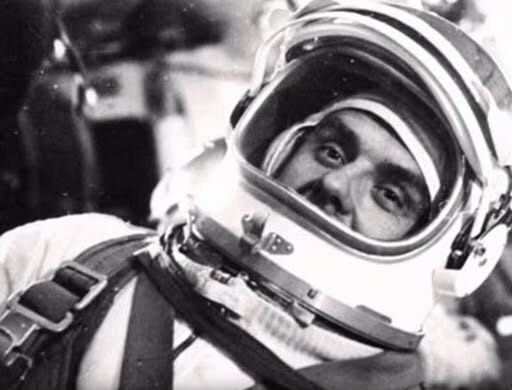
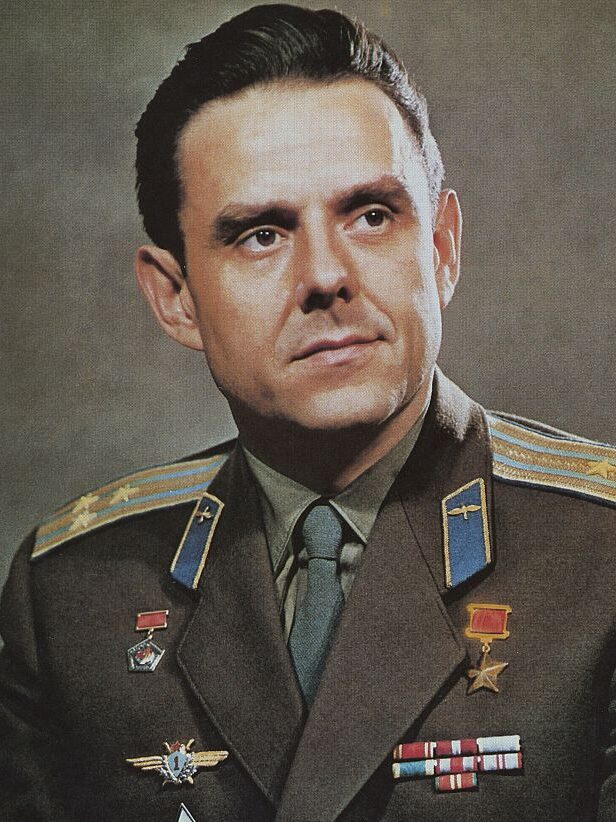
Space exploration has long been associated with innovation, ambition, and discovery. However, it has also involved significant risks, particularly during its early years. One of the most notable events in this history occurred in 1967, when Soviet cosmonaut Vladimir Mikhaylovich Komarov lost his life during a mission that would leave a lasting impact on the global space community.
Komarov became the first human to die during a spaceflight, an event that highlighted both the achievements and the challenges of advancing technology during a highly competitive era. His mission aboard Soyuz 1 remains one of the most discussed moments in the development of human space travel.
The launch of Soyuz 1
On April 23, 1967, Vladimir Komarov was launched into orbit as part of the Soviet Union’s Soyuz 1 mission. The flight was intended to demonstrate the capabilities of a new generation of spacecraft and to represent a major step forward in the space program.
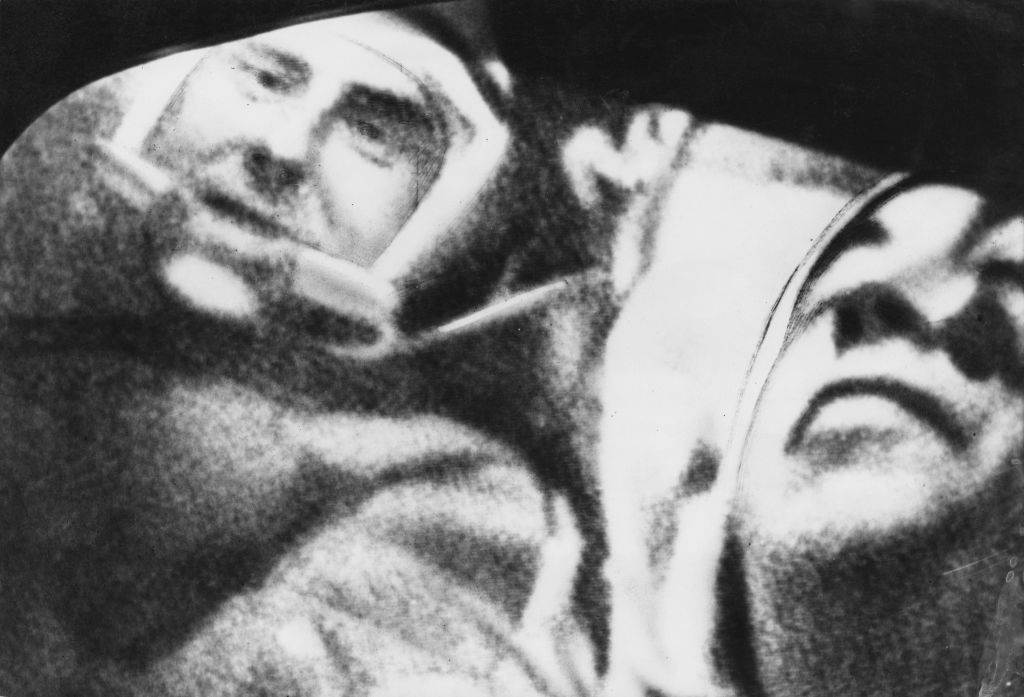
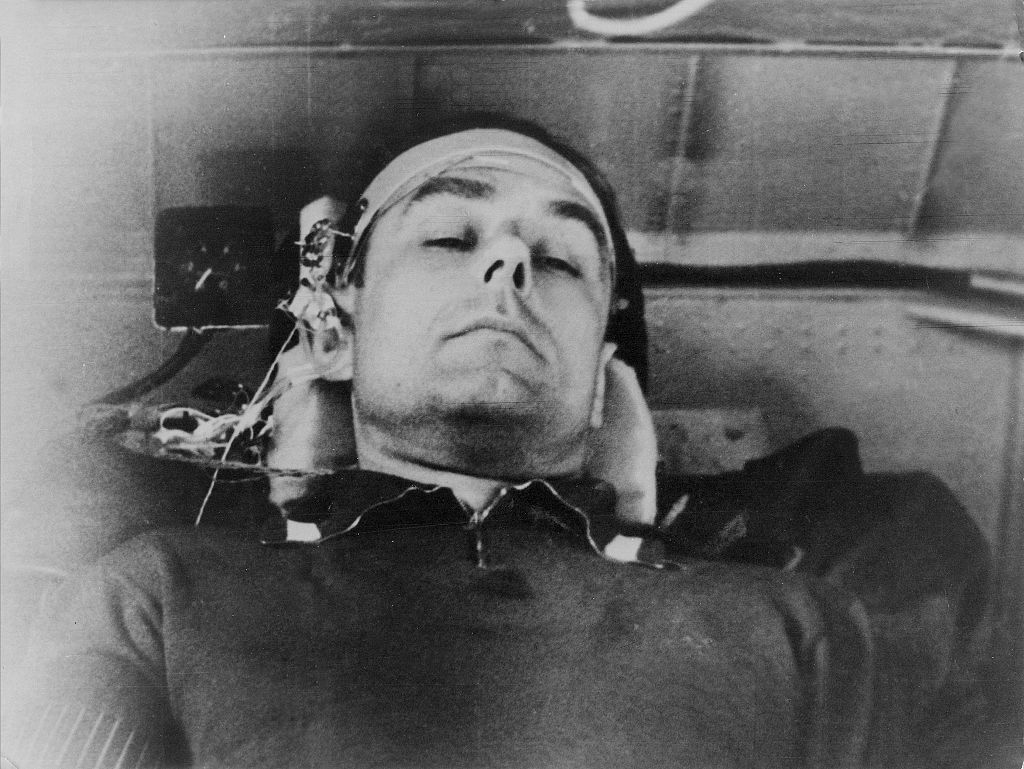
During the mission, Komarov successfully circled the Earth multiple times over the course of approximately 24 hours. While the initial stages of the flight proceeded as planned, technical issues soon became apparent, creating challenges that affected the overall mission.
One of the most critical problems involved a solar panel that failed to deploy properly. This malfunction reduced the spacecraft’s power supply and limited its ability to operate as intended, ultimately preventing the completion of key mission objectives.
Decision to return to Earth
As the situation developed, mission control determined that it was necessary for Komarov to return to Earth earlier than planned. The decision was made in an effort to ensure safety and to prevent further complications while in orbit.
Re-entry procedures began, but the spacecraft encountered additional technical difficulties during descent. The systems designed to support a safe landing did not function as expected, leading to a critical situation during the final phase of the mission.
The parachute system, which was essential for slowing the capsule’s descent, experienced a malfunction. The primary parachute failed to deploy correctly, and the backup system did not resolve the issue, resulting in a high-speed descent.
A historic and somber outcome
The landing marked a tragic conclusion to the mission. The event had a profound impact on the Soviet space program and on the international community, underscoring the risks associated with early space exploration efforts.
Komarov’s mission became a defining moment, prompting further evaluation of spacecraft design, testing procedures, and safety protocols. It contributed to changes that would influence future missions and improve reliability in the years that followed.
While the outcome was difficult, it also served as a reminder of the courage required by those who participated in early spaceflight missions.
Final communications and historical records
In the years following the mission, various accounts have described Komarov’s final communications. Some narratives have portrayed moments of frustration as he dealt with the spacecraft’s technical challenges.
One widely cited account includes the statement: “This devil ship! Nothing I lay my hands on works properly.”
However, other official records present a more composed exchange. According to archival transcripts, Komarov communicated calmly with ground control, stating, “I feel excellent, everything’s in order.”
Shortly afterward, he added, “Thank you for transmitting all of that. [Separation] occurred.”
These differing accounts illustrate how historical events can be interpreted in multiple ways, depending on the sources and perspectives available.
Challenges surrounding the mission
Prior to launch, the Soyuz 1 spacecraft had been identified as having several technical concerns. Reports suggest that engineers had raised questions about the readiness of the system, highlighting potential issues that could affect performance.
Despite these concerns, the mission proceeded as scheduled. The broader context of the time included significant pressure to achieve milestones in space exploration, particularly during a period marked by intense competition.
Accounts have indicated that discussions took place regarding whether to delay the mission. However, the decision was ultimately made to continue, reflecting the priorities and expectations of the era.
Komarov’s involvement in the mission has been described as a reflection of his commitment and professionalism. His role in the flight demonstrated a willingness to undertake challenging assignments in support of broader objectives.
Recognition and remembrance
Following the mission, Vladimir Komarov was honored with a state funeral in Moscow. His ashes were placed at the Kremlin Wall Necropolis in Red Square, a site reserved for individuals of significant national importance.
The international space community also recognized his contributions. Although requests for direct representation at the funeral were not granted, the respect shown across national boundaries highlighted the shared understanding among those involved in space exploration.
Komarov’s legacy extended beyond his own country, influencing how astronauts and cosmonauts were viewed as pioneers in a field that demanded both skill and courage.
A tribute carried to the Moon
Years later, his memory was honored in a symbolic gesture during the Apollo 11 mission. Before departing the Moon, Neil Armstrong placed a small memorial package recognizing individuals who had contributed to space exploration and had lost their lives in its pursuit.
Among those honored were Vladimir Komarov and Yuri Gagarin, as well as Apollo 1 astronauts Gus Grissom, Ed White, and Roger Chaffee. The gesture reflected a shared respect that transcended national boundaries and emphasized the collective nature of human exploration.
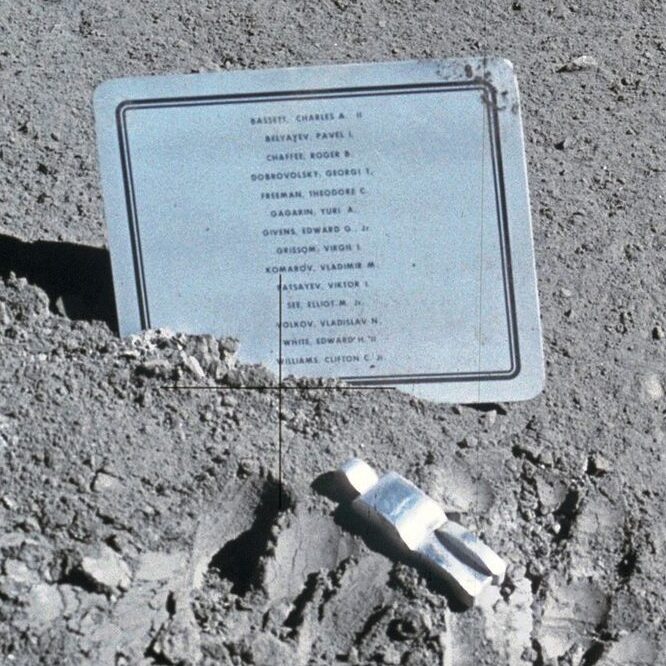
Komarov’s name was also included on a commemorative plaque placed on the Moon during the Apollo 15 mission. Alongside the plaque was a small sculpture titled Fallen Astronaut, serving as a lasting tribute to those who played a role in advancing space travel.
A lasting impact on space exploration
The story of Vladimir Komarov continues to be remembered as part of the broader history of human spaceflight. His mission highlighted both the potential and the challenges of early space exploration, contributing to advancements that would shape future missions.
His experience underscored the importance of rigorous testing, careful planning, and continuous improvement in technology. These lessons became integral to the development of safer and more reliable spacecraft.
Komarov’s role in this history is defined not only by the mission itself but also by the progress that followed. His contributions remain part of the foundation upon which modern space exploration has been built.
Remembering a pioneer
Vladimir Komarov is remembered as a dedicated cosmonaut who played a key role during a formative period in space exploration. His mission stands as a reminder of the challenges faced by those who ventured into space during its earliest days.
Today, his legacy continues to be recognized as part of the ongoing story of human exploration beyond Earth. The advancements achieved since then reflect both the ambition and the lessons learned from missions like Soyuz 1.
His place in history remains secure, representing the courage and determination required to explore new frontiers and expand human understanding of space.