
Understanding Vitamin B12 Deficiency: Symptoms, Causes, and Prevention
The Essential Role of Vitamin B12 in the Body
Vitamin B12 is a vital nutrient that supports several critical functions within the human body. It plays a central role in the production of red blood cells, the maintenance of healthy nerve cells, and the formation of DNA.
Unlike some nutrients that the body can synthesize on its own, vitamin B12 must be obtained through diet or supplementation. This makes regular intake essential for maintaining overall health.
Red blood cells depend on adequate B12 levels to develop properly. These cells are responsible for carrying oxygen from the lungs to tissues throughout the body, making their proper function essential for energy and vitality.
In addition to its role in blood cell formation, vitamin B12 contributes to the protection and support of nerve tissue. Healthy nerve function relies on sufficient levels of this nutrient to maintain communication between the brain and the rest of the body.
DNA production also depends on vitamin B12. Because DNA is present in every cell, this nutrient plays a fundamental role in cellular growth, repair, and replication.
Why Deficiency Becomes More Common With Age
As individuals grow older, the body’s ability to absorb vitamin B12 can gradually decline. This reduction in absorption increases the risk of developing low or borderline levels over time.
Changes in digestion often contribute to this issue. The body requires sufficient stomach acid and proper digestive function to extract vitamin B12 from food sources effectively.
Older adults may experience decreased stomach acid production, which can interfere with absorption. As a result, even individuals who consume adequate amounts of B12-rich foods may still develop deficiencies.
Digestive conditions can further complicate nutrient absorption. When the digestive system does not function optimally, it may struggle to process and absorb essential vitamins.
Restrictive dietary patterns also increase risk. Individuals who limit or avoid animal-based foods without proper supplementation may be more vulnerable to developing insufficient levels.
Fatigue as a Common Early Warning Sign
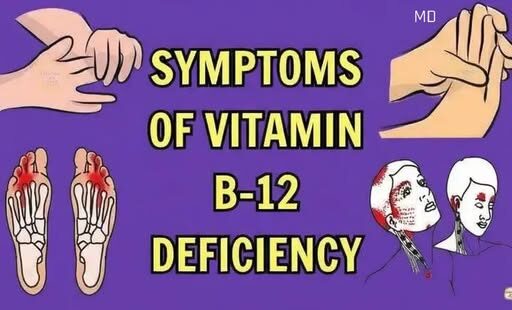
One of the most frequently reported symptoms of vitamin B12 deficiency is persistent fatigue. While tiredness can stem from many different causes, ongoing exhaustion despite adequate rest may indicate an underlying issue.
Vitamin B12 supports the formation of healthy red blood cells. When levels are too low, red blood cells may not function effectively, reducing the amount of oxygen delivered throughout the body.
Insufficient oxygen circulation can contribute to feelings of weakness and low energy. Individuals may notice that everyday tasks feel more physically demanding than usual.
Muscle weakness can also accompany this fatigue. Without optimal oxygen delivery to tissues, muscles may not perform at their full capacity.
Lightheadedness may occur in some individuals. This sensation can result from decreased oxygen transport, particularly during physical activity or sudden movements.
Difficulty concentrating is another possible sign. Cognitive performance may feel slower or less sharp when the body is not receiving adequate nutritional support.
Although these symptoms may suggest a deficiency, they do not confirm one. Many health conditions can produce similar effects, making proper medical evaluation essential.
Changes in Skin, Tongue, and Vision
Beyond fatigue and weakness, vitamin B12 deficiency may present with visible physical changes. Some individuals develop pale or slightly yellow-tinged skin.
This discoloration can occur when red blood cells break down more easily than normal. When healthy red blood cell production is disrupted, visible changes may follow.
In more advanced situations, nerve involvement may affect vision. Subtle visual disturbances can arise when nerves responsible for sight are impacted.
Some individuals report noticing a smooth, red tongue. This change may be accompanied by discomfort or a difference in taste sensation.
The tongue may appear unusually glossy due to inflammation. Altered taste perception can make food seem different than usual, potentially affecting appetite.
These physical signs overlap with many other medical conditions. Because of this, it is important not to assume vitamin B12 deficiency without proper testing.
The Importance of Accurate Diagnosis
Self-diagnosing a vitamin deficiency can be misleading. Symptoms often resemble those of other health concerns, making professional evaluation essential.
A simple blood test can determine whether vitamin B12 levels fall within a healthy range. This test provides clear insight into whether supplementation or dietary changes are necessary.
Healthcare providers can interpret results within the context of an individual’s overall health. This ensures that any treatment plan addresses the specific cause of the deficiency.
Early detection can prevent symptoms from progressing. Addressing low levels promptly supports long-term health and reduces the likelihood of complications.
Common Causes of Vitamin B12 Deficiency
Several factors can contribute to the development of vitamin B12 deficiency. Reduced stomach acid is one of the most common reasons.
Stomach acid plays a key role in separating vitamin B12 from the proteins in food. When acid production decreases, absorption becomes less efficient.
Digestive disorders can also interfere with nutrient uptake. Conditions that affect the stomach or intestines may limit the body’s ability to absorb essential vitamins.
Certain medications may influence absorption as well. Long-term use of some drugs can reduce the body’s capacity to extract B12 from food.
Dietary habits are another important factor. Individuals who follow long-term vegetarian or vegan diets without proper supplementation may not consume adequate amounts of vitamin B12.
Since B12 is primarily found in animal-based foods, plant-based eaters must rely on fortified products or supplements to meet their needs.
Food Sources That Support Healthy Levels
Maintaining sufficient vitamin B12 levels begins with thoughtful dietary choices. Animal-based foods are naturally rich sources of this nutrient.
Fish provides a significant amount of vitamin B12. Including seafood in regular meal planning can support healthy intake.
Poultry and lean meats also contain substantial levels. These options offer both protein and essential vitamins in balanced proportions.
Eggs are another accessible source. Incorporating eggs into meals can contribute to daily nutritional needs.
Dairy products, including milk and other dairy items, supply vitamin B12 as well. Regular consumption may help maintain adequate levels.
For those who avoid animal products, fortified cereals and plant-based milks can serve as helpful alternatives. These products are often enriched with vitamin B12 to support dietary balance.
Reading labels carefully ensures that fortified foods provide meaningful amounts of the nutrient. Consistency is key when relying on these sources.
Supplementation and Medical Treatment Options
In some cases, dietary adjustments alone may not be sufficient. Healthcare providers may recommend oral vitamin B12 supplements to restore healthy levels.
Oral supplements are commonly used when deficiency is mild or moderate. They can provide concentrated doses to replenish stores.
For individuals with significant absorption challenges, injections may be advised. This method bypasses digestive barriers and delivers the nutrient directly into the bloodstream.
The appropriate approach depends on the severity of the deficiency and the underlying cause. Medical guidance ensures safe and effective treatment.
Regular monitoring may be recommended to track improvement. Follow-up blood tests help confirm that levels have returned to a healthy range.
Supporting Absorption Through Overall Gut Health
Digestive health plays a central role in nutrient absorption. Maintaining a balanced diet rich in whole foods may support proper digestive function.
Fiber-rich foods contribute to a healthy gut environment. A well-functioning digestive system enhances the body’s ability to absorb essential nutrients.
Staying hydrated and consuming a varied diet also support overall wellness. These foundational habits contribute to long-term nutritional stability.
While gut health alone cannot resolve all absorption issues, it remains an important component of maintaining balanced vitamin levels.
When to Seek Professional Guidance
Persistent fatigue, unexplained weakness, or noticeable physical changes should not be ignored. Consulting a qualified healthcare provider ensures proper evaluation.
Early testing provides clarity and prevents unnecessary uncertainty. Addressing concerns promptly can improve overall quality of life.
Vitamin B12 deficiency is manageable when identified and treated appropriately. With the right guidance, individuals can restore healthy levels and support their body’s essential functions.
Maintaining awareness of potential symptoms, understanding risk factors, and making informed dietary choices are practical steps toward long-term health.
Ensuring adequate vitamin B12 intake remains an important part of maintaining energy, supporting nerve function, and promoting overall well-being throughout every stage of life.