
Dead Boys Co-Founder and Punk Guitarist Cheetah Chrome Dies at 71
Influential Punk Musician Remembered by His Band
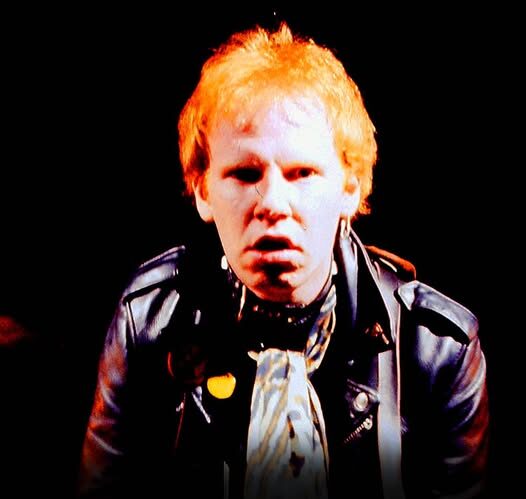
Cheetah Chrome, the co-founder and guitarist of the influential American punk band Dead Boys, has died at the age of 71.
Dead Boys announced the musician’s death through a message shared on social media. The group remembered him as an original performer whose guitar playing and stage presence helped shape the development of punk rock.
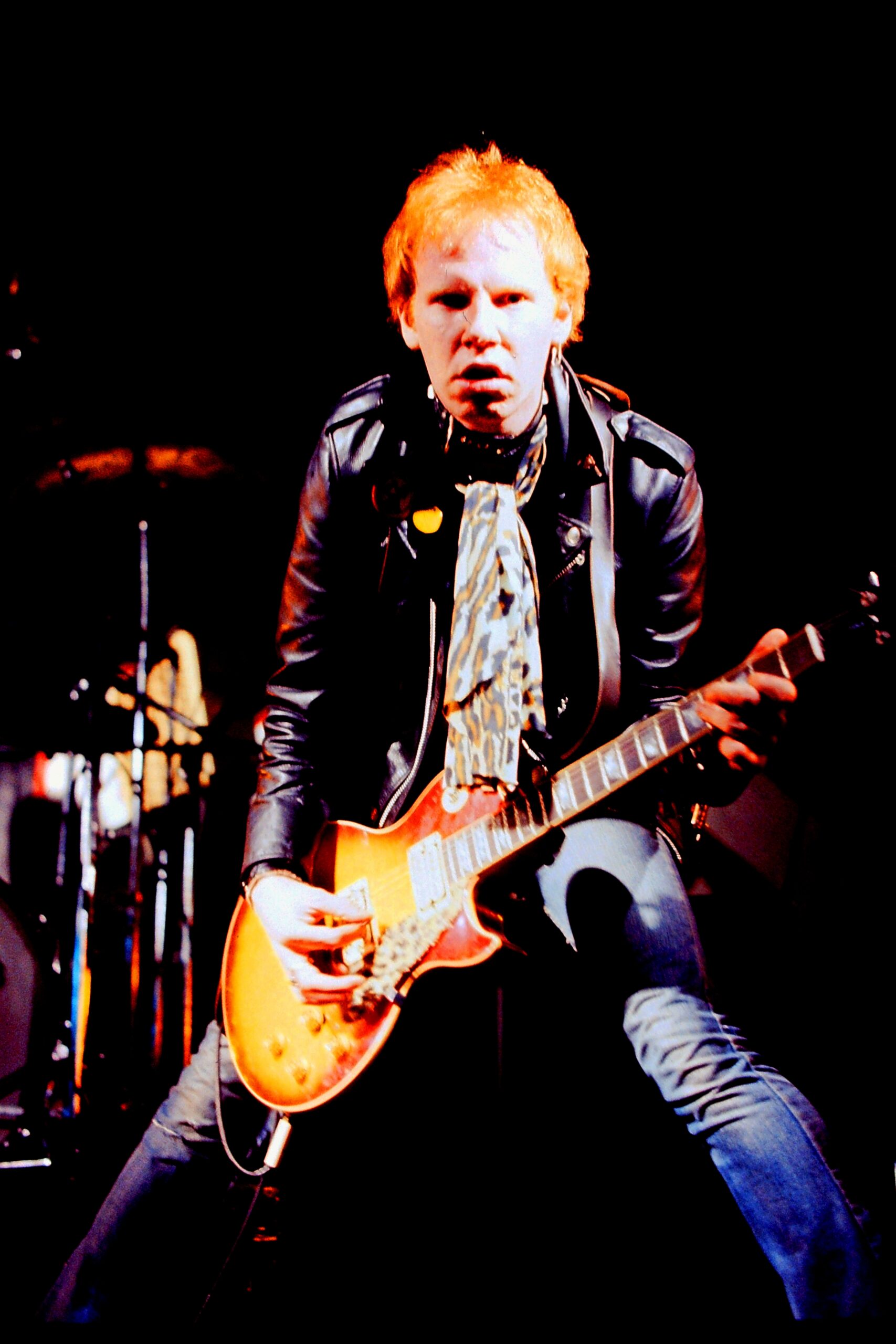
“We are incredibly sad to announce the news of the passing of our beloved friend and bandmate Cheetah Chrome. Cheetah was a true original, an architect of the punk rock movement. A one-man hurricane tearing up the musical landscape with his feral guitar riffs and manic energy,”
The tribute also described the person behind the intense public image that Chrome displayed while performing.
“Beyond all that, Cheetah was also just a really sweet guy who loved rock’n’roll. We extend our deepest condolences to Cheetah’s family, friends and fans around the world. His music lives on and will continue to inspire others for generations to come,”
No cause of death was announced.
His Early Years in Cleveland
Cheetah Chrome was born Eugene Richard O’Connor on February 18, 1955, in Cleveland, Ohio.
His musical career developed within Cleveland’s emerging punk environment during the 1970s. In 1974, he joined Rocket From The Tombs, a Cleveland group that became an important part of his early development as a guitarist.
The experience connected Chrome with musicians who shared an interest in creating aggressive, direct, and unconventional rock music.
Although his time with Rocket From The Tombs did not lead to widespread commercial recognition, it helped establish the musical relationships and ideas that would soon produce Dead Boys.
Chrome’s guitar style was energetic and forceful. The raw quality of his playing became a defining feature of the music he created throughout his career.
His work belonged to a period when musicians in cities such as Cleveland and New York were developing an alternative to the increasingly polished and elaborate rock music surrounding them.
The Formation of Dead Boys
Approximately one year after joining Rocket From The Tombs, Chrome helped establish Dead Boys.
The group’s early lineup included singer Stiv Bators, guitarists Cheetah Chrome and Jimmy Zero, bassist Jeff Magnum, and drummer Johnny Blitz.
Together, the musicians created a sound driven by speed, distortion, confrontational performances, and a refusal to follow conventional expectations.
The name Dead Boys became closely associated with an especially chaotic and uncompromising form of American punk.
Chrome’s guitar work provided much of the force behind the band’s songs. His riffs helped create the urgent sound that later musicians and listeners would identify as a significant part of early U.S. punk rock.
The band’s impact would eventually extend far beyond the commercial results achieved during its original period together.
Moving From Cleveland to New York
In 1976, encouragement from Joey Ramone helped persuade Dead Boys to leave Cleveland and relocate to New York.
The decision placed the band inside a rapidly growing punk movement. New York offered an audience and a community that understood the rebellious music Dead Boys were creating.
The group quickly became connected to CBGB, the East Village club that served as a gathering place for many emerging punk acts.
Performing in New York allowed Chrome and his bandmates to discover that their music appealed to people beyond their original Cleveland circle.
Reflecting on that move in 2023, Chrome described how the band came to recognize the wider audience waiting for them.
“We realized that there were a lot of people like us out there,”
He also looked back humorously on how long it took the members to realize they could simply travel and arrange performances outside their hometown.
“Why it didn’t occur to us earlier, to just jump in the damn van and get a gig out of town… we weren’t rocket scientists, we were the Dead Boys.”
The move became a crucial turning point. Dead Boys entered an environment where their aggressive style was not merely tolerated but embraced as part of a broader musical rebellion.
Young, Loud and Snotty
Dead Boys released their debut album, Young, Loud and Snotty, after becoming established within the New York punk scene.
The album did not become a major commercial success when it first appeared. Its importance developed through the influence it exerted on musicians and fans who encountered its raw energy.
The recording captured the confrontational character of the band’s performances. It also preserved the guitar sound that made Chrome such a distinctive figure within punk music.
Rather than relying on polished production or mainstream presentation, the album reflected the urgency and disorder associated with the group.
Its initial commercial limitations did not prevent it from developing a lasting reputation. Over time, Dead Boys became recognized as an important influence on subsequent punk and rock performers.
The album’s continued relevance demonstrated that a recording could shape musical culture even without achieving immediate mass-market popularity.
A Lasting Influence Beyond the Original Band
The significance of Dead Boys continued to grow after the group’s earliest years.
Listeners who discovered punk through later bands could trace elements of its sound back to the recordings Chrome and his bandmates created in the 1970s.
His guitar playing remained one of the group’s most identifiable features. The combination of ferocious riffs and restless energy gave the songs a quality that continued reaching new audiences.
One clear example of that influence came when Guns N’ Roses recorded a version of Ain’t It Fun.
Chrome co-wrote the song, and the cover introduced his work to another generation of rock listeners.
The recording demonstrated how music originating in an early punk environment could travel into a much larger arena and remain meaningful years later.
For fans who encountered Ain’t It Fun through Guns N’ Roses, the cover also provided a route back to Chrome, Dead Boys, and the Cleveland scene from which the song emerged.
The Original Breakup and Later Reunions
Dead Boys broke up in 1979, ending their original period together after only a few years.
The separation did not erase the group’s identity or its growing influence. Its recordings continued circulating among punk musicians and listeners.
The band reunited several times over the years. Those later returns did not achieve the same results associated with the significance of the original lineup and its early work.
Nevertheless, the reunions reflected the lasting interest surrounding the Dead Boys name and the music the members had created together.
Fans continued to associate Chrome with the group’s defining guitar sound and unpredictable performance energy.
The band remained part of his identity throughout the following decades, even as the original punk era moved further into history.
Plans for Another Album
Dead Boys intended to begin recording another album in late 2024.
The proposed project offered the possibility of adding a new chapter to the group’s long and complicated history. However, the recording did not take place.
Although the planned album was never completed, its consideration showed that the musicians were still connected to the creative legacy of Dead Boys.
It also demonstrated the continuing audience interest surrounding a band whose greatest importance had never depended solely on conventional commercial measurements.
For those who followed Chrome’s career, the possibility of new music represented an opportunity to hear how his distinctive approach might sound decades after the group’s formation.
A Musician Who Remained True to Rock and Roll
The statement announcing Chrome’s death emphasized both his importance as a musician and his personality away from the stage.
His public image was built around uncontrolled energy, loud guitars, and the rebellious spirit associated with the earliest punk performances.
His bandmates, however, remembered him as a kind person with a deep love for rock and roll.
That contrast helps explain the enduring affection surrounding him. The ferocity listeners heard through his guitar existed alongside a personal warmth recognized by the people who knew him.
Chrome did not simply participate in a musical movement after it had already developed. He helped create the sound and attitude that allowed the movement to take shape.
His contributions with Rocket From The Tombs and Dead Boys connected Cleveland’s early punk activity with the expanding New York scene.
Cheetah Chrome’s Punk Legacy
Cheetah Chrome’s career represents an important period in the development of American punk rock.
He began within Cleveland’s underground music environment, helped form Dead Boys, moved to New York, and became part of the community surrounding CBGB.
Although Young, Loud and Snotty did not initially become a major commercial release, its reputation expanded as later musicians recognized the power of its sound.
Chrome’s songwriting also survived through recordings by other artists, including the Guns N’ Roses cover of Ain’t It Fun.
His influence cannot be measured only by sales or chart positions. It can also be found in the musicians who adopted the directness, speed, and raw guitar energy that his work represented.
The band’s announcement expressed confidence that his recordings will continue inspiring listeners and performers for generations.
Chrome was 71 at the time of his death. With no cause disclosed, the focus of the announcement remained on the life, character, and music of a guitarist who helped establish the identity of American punk.
His death marks the loss of a founding figure from that movement, but the songs and performances he left behind preserve the energy that made Cheetah Chrome a true original.